Mental Illness and the Human Face of Marginalisation, Stigma and Discrimination

The following was submitted by Gede Foundation to United Nations Social Development Network and can also be read on their website. Special thanks to UNSDN for featuring the Foundation!

“Why must I be in bondage – doesn’t everybody deserve to be free?” she asked with tears in her eyes. Laura (name changed) has been living in physical bondage “for years” but was allowed by her caregivers to attend a mental health camp run by the Gede Foundation in Abuja, Nigeria in late March 2016. The camp was the first in a series of programmes run under a social franchise agreement with BasicNeeds UK, with support from BasicNeeds Ghana and funding from Grand Challenges Canada.

Laura’s history of mental illness is connected with the birth of her first child, after which she began to “act erratically” and exhibited symptoms of mental illness. The initial treatment pathway involved visits to local pastors who suggested physical confinement and isolation due to a perceived “flight risk.” Laura was then shackled to a pole in the middle of a church where a pastor prayed for her, fed her, and released her from chains only when she needed to use the bathroom.  Laura’s frustration increased as she began to realize that her “treatment” was leading to little more than further stigmatization from her community as her mental illness continued. Meanwhile, she was unable to engage in any income generating opportunities and was increasingly becoming a “burden” on her family. Laura’s family was aware that mental health expertise existed that could help treat her, but they could not send her to the large and expensive (and often stigmatizing) urban hospitals where she could receive such treatment. However, Laura was able to attend Gede’s Mental Health Camp with the recognition that the programme would offer community based access to a trained psychiatrist.

Working Towards a Solution

As with all under-served and stigmatised health burdens, there are no easy solutions. The inclusion of mental health in the Sustainable Development Goals (3.4 – By 2030, reduce by one third premature mortality from non-communicable diseases through prevention and treatment and promote mental health and well-being) is an important recognition of the human and economic cost of mental illness and pushes communities to find sufficient expertise to be able to deliver quality care.

The approach of the Gede Foundation (working with BasicNeeds) is focused not only on addressing stigma and discrimination, but also on enhancing the understanding of mental illness through the formation of self-help groups and engaging community leaders. In addition, the BasicNeeds model combines the mapping of livelihood opportunities for those suffering from mental illness (and their caregivers) so that income opportunities can be engaged at the earliest appropriate stage of recovery. This has the added benefit of allowing people to afford psychotropic medication when needed, as well as making them feel, yet again, worthwhile members of their community.

Lessons Learned and the Future

Gede began implementing the BasicNeeds model in March 2016 and aims to reach 1000 people living with mental illness or epilepsy and 800 primary caregivers and family members over the next two years. Initial lessons learned have focused largely on the need to, (i) see mental health in a holistic manner and to clearly recognize the cross-cutting impact of mental illness related to education, health and livelihoods, (ii) generate appropriate and high quality research, often into prevalence and impact, as related to mental illness. It is difficult to gain traction with community leaders and decision makers without well thought through and credible evidence, (iii) develop long term approaches to address the “treatment gap” (the number of people needing treatment related to the number of trained health workers available to provide it) which, initially, needs to focus on enhancing key screening/treatment and referral skills within lay health workers at the community level, (iv) engage with existing structures within communities to encourage the formation of mental health self-help groups which are pivotal in helping to address issues of stigma and discrimination (as well as giving an amplified voice to those who are suffering from mental illness), and, (v) ensure that all tools (most of which have been designed for use in high income settings) used in screening/diagnosing mental illness are culturally adapted and are, consequently, appropriate for the specific circumstance in which they are to be used.

Advocating only for “more treatment pathways” is commendable, but one-dimensional within the context of mental illness in low- and middle-income countries. Culturally adapted and validated approaches to research and stigma reduction also play an essential part in bringing this key issue “out of the shadows.”

Learn more about our work on disabilities at un.org/disabilities
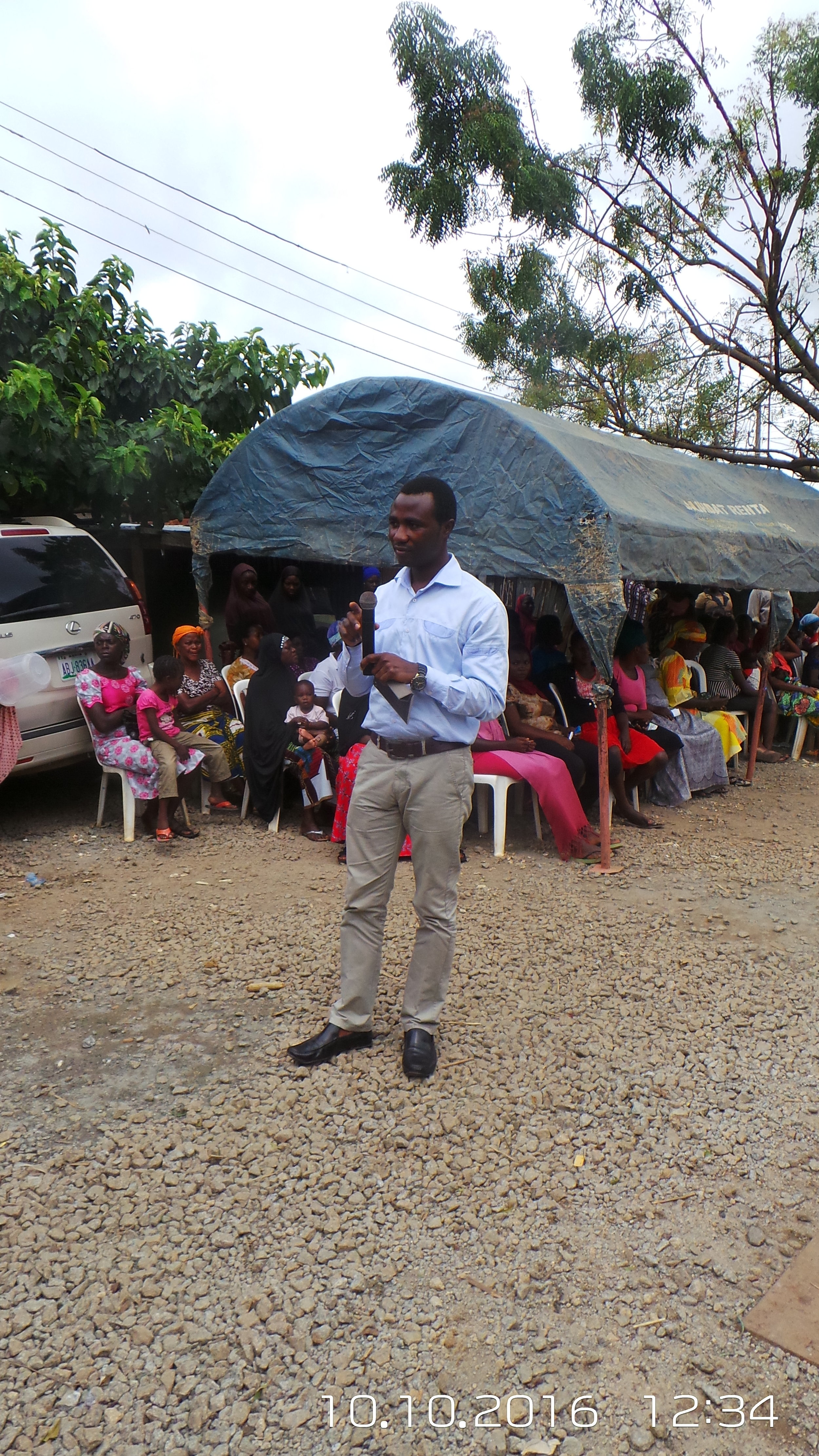
Out Of The Shadows: World Mental Health Day

“This is an area that has been highly neglected”. So said Dr. Chris Elumelu from National Primary Health Care Development Agency (NPHCDN) and his words could not be truer. In line with this year’s World Mental Health Day (WMHD) theme, “Psychological and Mental First Aid for All”, Gede Foundation, in collaboration with NPHCDN, National Orientation Agency (NOA) and the Chief in Mpape commemorated the day. Despite the heat, the event brought over a hundred people from the community and beyond. 

NOA presented a sketch which depicted how society reacts to people with mental illnesses. They are labeled “mad”, “crazy”, among other demeaning words. The sketch, in its entirety can be viewed below. The sketch told the story of a man who appeared to have had a psychotic break and how people in the community reacted. First, they were terrified and refused to get close to him. After sometime, it was suggested that he visit a church or a mosque for healing. However, one of the actors mentioned - and correctly so, that delaying medical intervention is detrimental and could worsen the condition. She suggested that instead, the ill person could be taken to a hospital and he will need family as well as community support. These words rang true with the theme, “Psychological and Mental First Aid for All”. 

Sketch by NOA in commemoration of World Mental Health Day in collaboration with Gede Foundation

After the sketch, questions were posed to the audience as to what they had learned and there were various answers given. A Psychologist, Mr. Sam Jinadu, was present to clarify some of the issues raised in the sketch. A considerable number of people simply asked what the signs of mental illnesses were. Mr. Jinadu informed them that there are quite a number of mental illnesses and symptoms differ depending on the type of illness. He gave examples of depression, bipolar disorder, anxiety disorder and schizophrenia. He urged the carers and community members to seek medical attention. When some people complained about funds for treatment, he informed them that government prices are highly subsidised and with Gede’s work - a BasicNeeds franchisee, livelihoods for some people is something to look forward to. 

The event brought scores of people together and was indeed a platform for strong partnerships to be formed. Dr. Chris encouraged the Foundation to continue to work hard in the community and that their initiatives should be supported. The Media, who were highly involved during the course of the day also asked a number of questions concerning mental health were also encouraged to shine a brighter light on mental illnesses. It is through them that such initiatives will come out and it is up to them to present mental health as they would malaria. It may not be a physical disease, but it is a disease worthy of dignified mention.

Stakeholder’s Meeting for Tertiary Students

Gede’s partnership with the United Cement Company Ltd (UNICEM), a subsidiary of Lafarge Africa PLC in Cross River State, has supported over 25 tertiary students in 10 rural communities since the 2013 academic session.

The stakeholder’s meeting, which was held at Lafarge premises had 70 people in attendance, including the Commissioner of Education in Cross River State represented by Mr. I. A. Oyeyem, the Plant Manager of Lafarge Plc represented by Mr. Inyang Bassey, Community Relation Manager Lafarge Plc, Gede Foundation, tertiary beneficiaries, Community Trust Committee CTC, other community leaders and parents/guardians of beneficiaries. The aim of the meeting was to find out which issues have arisen since the educational support programme for tertiary students started. Among the issuesdiscussed were achievements, performance challenges and new ideas for effectiveness.

A detailed report on the achievements of the the programme, general performance of beneficiaries, challenges faced over the period outlined and limitations in the programme were all part of presentation delivered by Gede Foundation. As part of the event, graduates of this programme shared experiences and expressed their gratitude to Lafarge and Gede Foundation. The representative of the Honourable Commissioner of Education, lauded the effort of Lafarge Africa Plc and Gede Foundation for the educational support offered to indigent students and noted that Cross River State is one of the educationally disadvantaged states in Nigeria and this kind of support is worthy of commendation and emulation by other companies and agencies working within Cross River State.

Beneficiaries and parents

Beneficiaries and parents

The meeting ended with a plan of action for 2016/2017 which included mentoring and community health initiatives to be carried out by the tertiary student with supervision from Gede Foundation; continuous support from parents and community stakeholders and more engagement with InstitutionalAuthorities for sustainability.

By Ekaette Udoekong

I Need A Ladder To Help Me Out Of This Ditch I Am In

These were the chilling words of a 26 year old man. He was obviously very smart, very eloquent and it was clear he wanted his life back on track.

Jackson* was barely in senior secondary school when he started to dabble in alcohol and marijuana smoking. He insisted it was not peer pressure, it was not because everyone else was doing it. He insisted that he was a very strong willed person but once he started smoking marijuana, he could not stop. This continued for many years. It has now been well over 5 years. He has not been able to kick the ‘habit’. “To be honest with you,” he said, his voice quaking and his hands trembling a little, “today is the only day I have not smoked and it’s because I knew you guys were coming here”. He was referring to Gede Foundation and this was the very first Mental Health Camp the Foundation had held. 

Asked on why he still smokes, he said it was part of him now, it was like food. He cannot do without it. If he feels tense or is lacking confidence, he simply smokes marijuana and he is better. While he knows it is not good for him and wants to stop, he does not have the will power to desist from it even though he earlier stated he has a strong will power. He is surrounded by friends that do the same activities and so even when he tries to stop, he finds himself back in the ‘ditch’. At this point, his friend chipped in and said that Jackson had even been to a rehabilitation centre but once he came out, he relapsed. Relationships with his family are strained. The community has labeled him a bad influence and no one really gives him a chance anymore. Sometimes, the friend said, he talks to himself and is very irritable when others interrupt his conversations.

He did something that was inspiring though. He asked for help. He said, “I need a ladder to help me out of this ditch I am in”. According to our Psychiatrist, Jackson not only needs support from his family, he also needs psychotherapy. It will not be a short journey, it will be long, sometimes hard but it is one he is willing to undergo. 

This story brings to mind the theme for this year’s World Mental Health Day; Dignity in Mental Health - Psychology & Mental Health First Aid for All. According to the World Health Organisation (WHO), “psychological first aid covers both psychological and social support. Just like general health care never consists of physical first aid alone, similarly no mental health care system should consist of psychological first aid alone. Indeed, the investment in psychological first aid is part of a longer-term effort to ensure that anyone in acute distress due to a crisis is able to receive basic support, and that those who need more than psychological first aid will receive additional advanced support from health, mental health and social services.” 

The work that Gede has started with BasicNeeds in Nigeria will surely empower users as well as those in a position to help (carers) to recognise, acknowledge and appreciate mental health. Will you be doing your part October 10th this year?

Jackson* - Name has been changed to protect the user’s identity.

By Zunzika Thole-Okpo

Schizophrenia: A Glance Into The Mind

Written by Zunzika Thole-Okpo

We walked in and she was just sitting there, covered in her wrapper from head to toe. Only a few stray braids graced her face. Clearly we had woken her. She was withdrawn but returned our greetings. I wondered why she did not leave as we sat down to conduct our interview with the pastor. 

Since this was my first field trip with Gede, I tried to pay attention to what the pastor was saying and not to the young lady on the floor. This was one of the first Key Informant Interviews (KII). It was not until the pastor started talking about mentally ill people that he was praying for that I realised what was happening. The young lady, Faith*, had been in church for a long time. I turned to have a better look and discovered she was chained to a pole. Apparently, she had been chained to that pole for over a year. 

It all started in 2011. Faith was a fashion designer and she was doing well for herself and her family. Her husband also had a good job. One afternoon, he came back from work to find his wife frantic. She claimed someone had come into her room through a window. She was inconsolable. They looked everywhere and did not find anything but she was adamant. Someone had come into her room through a window. Even after searching the whole house, she was not convinced. The husband decided to humour her and told her the person had been sent out and she calmed down. After this first episode, she had another where she said there were things all over her body. She kept scratching, screaming and writhing in pain. She said the things were going into her body. She attempted to cut them out but there was nothing to cut out. 

This episode prompted Faith’s husband to take her to her parents for help. When they got to the village, Faith had another episode. Since her husband had just dropped her off and left, they called him back to take her to the hospital. When they got there, they were told that Faith had malaria, possibly cerebral malaria and typhoid. Wishing for it all to go away, they started treating malaria and typhoid. However, Faith was not getting any better. She was wandering around, talking to people that were not there, hearing things that weren't there. Furthermore, she was terrified. Sometimes she refused to go to bed because there was ‘something’ on the bed. As was their natural proclivity, the family decided to go to a pastor for healing. 

After many months of prayers and no change, Faith’s husband decided to take her to see a psychiatrist. She was on treatment for six months and in those months, everything was OK. She was back to her normal self, doing the things she used to do before. As Faith was now better, the couple decided to discontinue with the medication, Faith got pregnant and the family was happy once more. Right after her baby was born, the episodes started again. This time, she was wandering off and would not be seen for days on end. The husband, naturally, was very worried and once more, decided to take her back to the church, where she has been for one year now.

For the year that Faith has been chained to the pole she is only let loose to go to the bathroom. She eats and she sleeps there. The pastor described that sometimes, she speaks in an unearthly language known only to her. To the pastor and other congregants, that is the demon talking, not Faith. The only medical intervention Faith has received in the one year she has been chained, came from the Mental Health Camp organised by Gede Foundation, a BasicNeeds Franchisee. The MHC, held on the 30th of July 2016 at Mpape Primary Healthcare Centre, was the second one that Gede has held. 

Faith is now on medication and according to her husband, she is becoming more and more herself. Having gone through what she has, it comes as no surprise that she is withdrawn and reserved. Imagine living in so much fear that it appears everyone is out to get you. That is what she has been living with for the past 5 years. However, she is now on the road to recovery. She has to follow her medication strictly. 

Faith’s story is only one of many which reflect the significant progress Gede has made in delivering community based mental health services. Many users and carers have have stepped forward, especially after the formation of Self Help Groups. The possibility of a support system and a voice is something that gives the users and carers hope for the future. 

*Name has been changed to protect the identity of the identity of the person. 


Working Alone – Mental Pressure or Motivation?

By Ekaette Udoekong

Ekaette at the office

Ekaette at the office

My name is Ekaette Udoekong. I am the ZonaI Representative for the South-South office Calabar. I work alone at the zonal office. I work from 8am to 5pm. My typical day begins with going through the previous day’s itinerary and incomplete tasks and setting a new to-do-list for 8 hours. I make early calls to confirm or reschedule meetings and appointments, set tasks, prioritise and take action. As the only staff at the zonal office, I am accountable for everything that happens there. Therefore, I read through the business plan of the organisation everyday and try to articulate where the zonal office is headed in the next months/year and how well I could develop both personally and professionally. 

While working alone may help me focus, it eliminates collaborative and creative problem
solving that comes from sharing ideas from brainstorming in a group. I do not experience office
politics and decision-making is fast reaching. Despite having to meet with peopledaily, it is tough working alone and it is somewhat difficult to overcome the isolating feelings of loneliness which sometimes is ignorantly stigmatised or aligned with weakness (similar to depression). Sometimes I even doubt my abilities. This wears down on my strengths subconsciously.  Some days at the office I wish to be bossed around, I wish to share my accomplishments, challenges, frustrations or even gossip with a colleague. However, I do this twice a month with my Line Manager but on Skype! 

I have managed to cope with this lonely feeling by cutting down calls and meeting with people either at their offices or at the zonal office. Working with colleagues from other NGOs/CSOs, sharing experiences at meetings because reaching out to others and getting my problems off my chest helps put me in the right frame of mind. Furthermore, talking things through provides ideas to help combat my feelings.  It is said that a problem shared is half solved! I also let my mind think wild and wide in the solitude of the noise-free office which leads to hours of unbroken concentration. With the Foundations’ focus on mental health, I plan my day to speak to at least one person and find out how he/she relates his/her situations with mental health and how its impacts productivity. It is one thing to understand and spot that you are lonely at the office but it is very crucial to face the challenge and be productive.  Someone once said and I quote “do not limit your challenges but challenge your limits” I have learnt to challenge the lonely office and motivate myself by long-thinking and trying new things daily.


Muazu Abba: Rekindling Hope

Muazu has four (4) siblings. As the oldest one, he took up the responsibility of caring for his younger siblings as well as his parents - not an easy feat especially if you are 22 years old. Muazu, from an early age learned how to do many odd jobs to make sure that his parents and siblings were well taken care of. At 22, he was a labourer. It was not ideal but it was what he could do to make sure there was food on the table and a roof over their heads. 

Muazu’s parents used to help out sometimes but when he turned 22, things got harder and their condition worsened. It was at this point that Samuel, a volunteer with Gede Foundation, approached him with a possible solution for his condition. Samuel told him that there was a project that was supporting Orphans and Vulnerable Children in various secondary schools in the Federal Capital Territory. Furthermore, the project was also supporting individuals in skills training and providing nutritional support for households. Samuel explained to Muazu that he could be one of the beneficiaries in the skills acquisition programme. 

At first, Muazu was very skeptical and did not understand why he needed to enrol for this project. The situation was difficult but he had always managed to make ends meet. He refused to join but after a while, Samuel convinced him and he registered for the course. He told Muazu that there were others that acquired skills in fields such as dress-making, computer lessons, hair dressing, running small enterprises, etc. Muazu talked to a few and decided it may not be a bad idea after all.

Muazu decided to go for a course in how to do laundry. As he started his course, he was surprised when he received rice, oil, milk, sugar and a lot more foodstuffs. This nutritional benefits assisted his family in a big way. He continued with his course until he graduated.

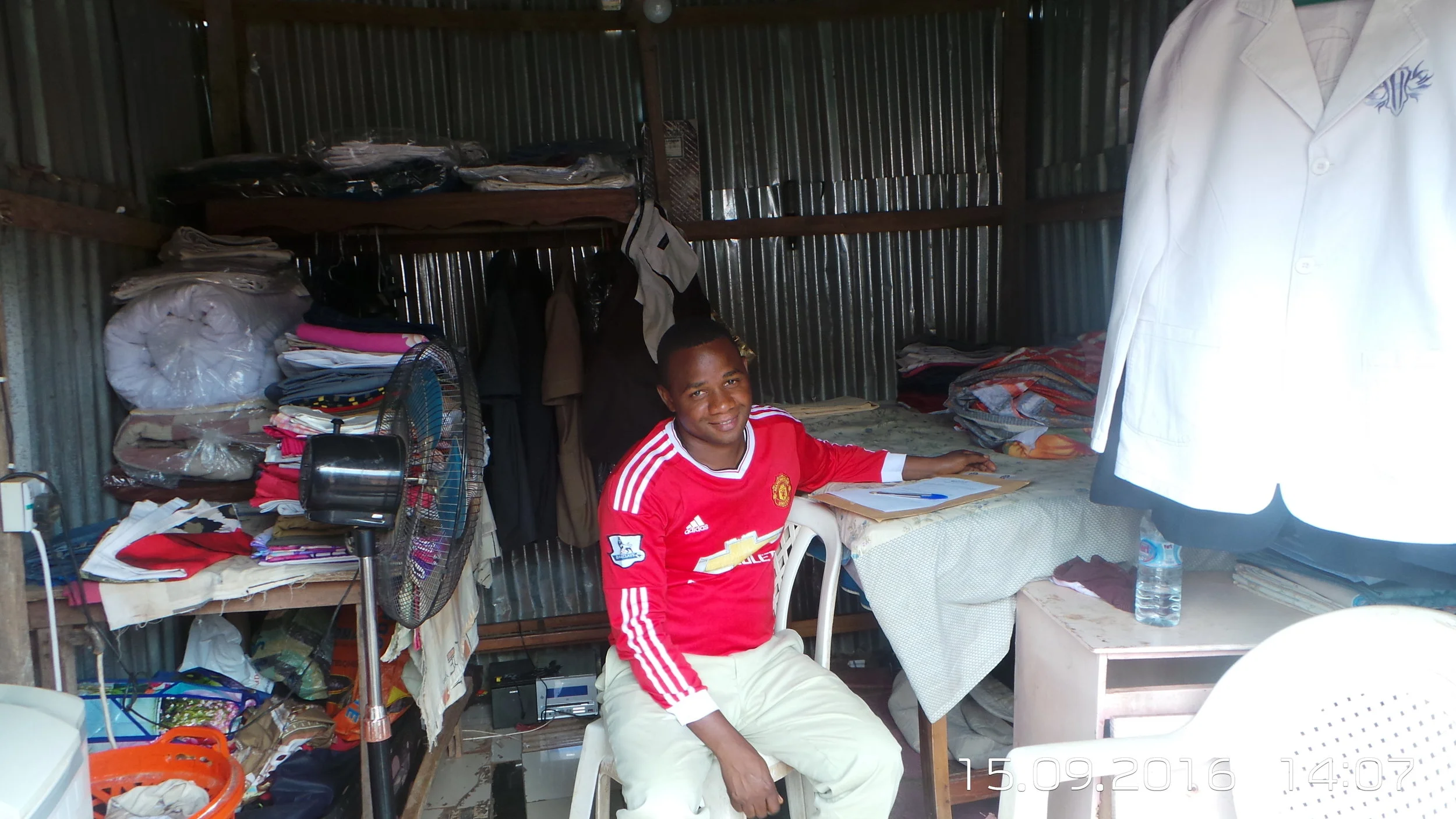
After graduation, he was offered a job in a hotel to do their laundry. When he saw what the hotel was offering, he thought it would be better to start something on his own. That is exactly what he did. His shop has a washing machine, iron, ironing board and other things needed for doing laundry.

Muazu Abba in his shop

Muazu Abba in his shop

Today, Muazu is married with 3 kids. In the short time he has had his shop, he has trained about 3 people who now have their own laundromats. He mentors them and encourages them to set up their own shops as a way to remain self sufficient.

BasicNeeds: Mental Health Camp Round 2

By Zunzika Thole-Okpo

After two successful Mental Health Camps, nothing much could faze us right? Wrong. Gede Foundation held its second round of MHCs on the 19th of September in Mararaba Gurku. Lucky for the team, the Chief opened up his palace once more. 

Just after we left the office, it started to rain; a bit disconcerting because we thought people may not show up for the MHC. When we got to the palace, it had stopped raining and fortunately, there were people already there, patiently waiting. There were the usual cases of seizure disorders, substance abuse disorders and mood disorders. There were also unusual cases. A young boy, not more than 14, developed a brain tumour just as he was about to go to senior secondary school. The boy’s father is aware that his son is mentally sound yet he still brought him to the camp. The reason for this was inspiring. The man, a pastor, needed his son to receive some counselling. The young boy faces a lot of discrimination, disdain and stigma because of how he is now. He used to go to school and did not need any help with anything physical. Last year, he underwent an operation to remove the tumour. The operation was successful. However, his motor skills have been impaired and he constantly needs help. As the father was speaking, the young boy was cowering and trying to cover his mouth. One could tell that he was uncomfortable. 14 is an impressionable age. While kids his age are out exploring and pretending to be adults, he sits in his chair and can only move with assistance. HIs father expressed gratitude at the counselling his son received. He thanked the foundation profusely and said he would welcome any further help that the Foundation would like to render. His father said he now has hope. For those that aren’t aware, ‘Gede' loosely translates to ‘hope’ in Fulani language.

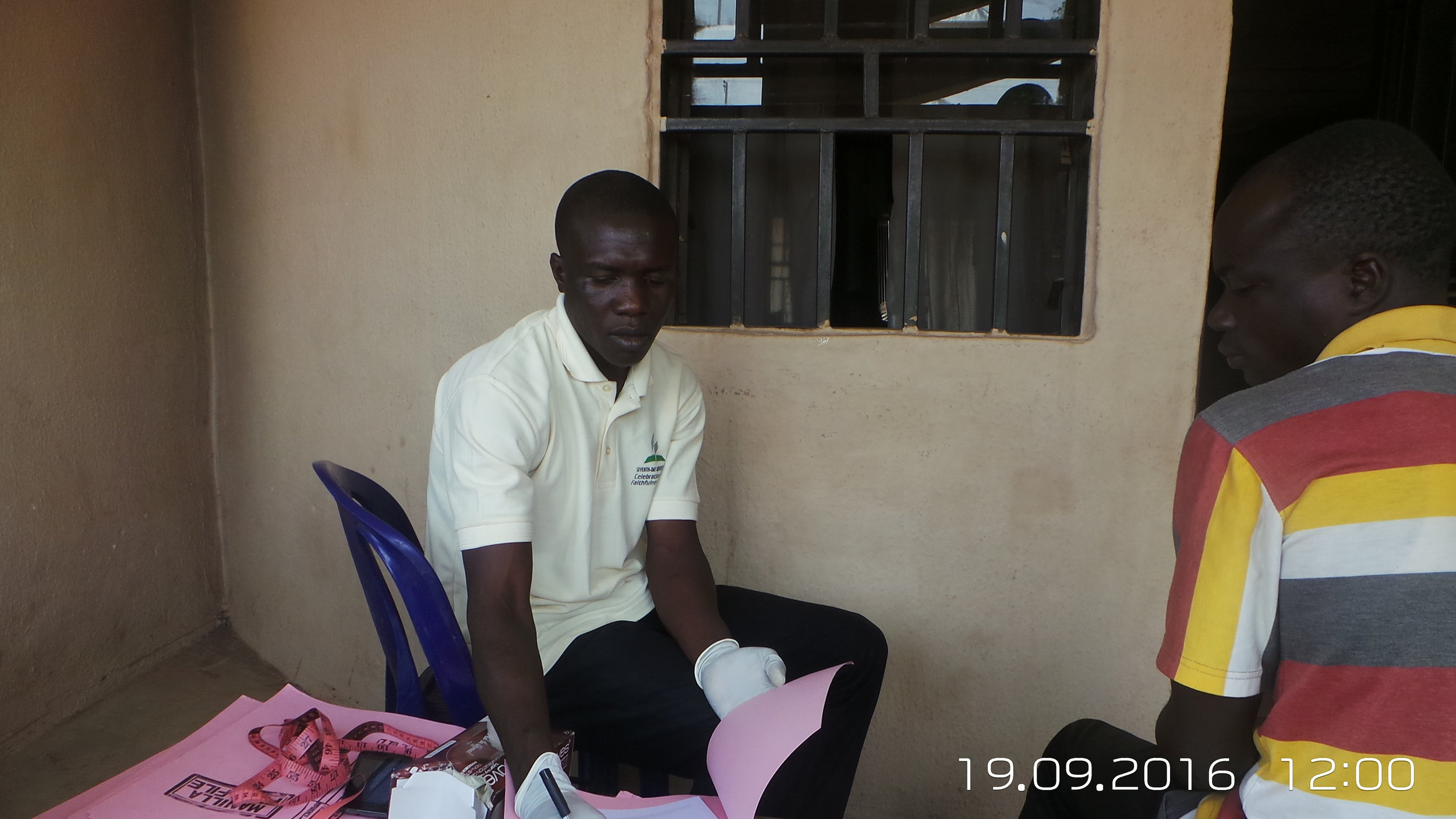
Community Based Volunteer, Matthias, taking vitals. Chief's Palace, Mararaba.

Community Based Volunteer, Matthias, taking vitals. 

Chief's Palace, Mararaba.

As the pastor was speaking, we heard noises coming from the doctors room (a place that was set aside for the doctor to conduct consultations). The pastor excused himself and went to see what the problem was. Inside was a young man that the pastor prays for. The young man came with his parents and his brother all the way from Lafia, Nassarawa. The young man was screaming at the top of his lungs. He was shouting at someone/something we could neither see nor hear. This was someone I had had a conversation with earlier in the day. Here he was now, ranting and pointing to the sky and shouting at a person we could not see. As is expected (unfortunately), people gathered to stare, others stepped away as they were scared. This was a scene similar to the ones we see on TV where we see someone being put in a straitjacket. The truth is the young man was not violent, he was just shouting. Meanwhile, his brother was just swaying from side to side, softly mumbling. The brother is schizophrenic while he has substance abuse induced psychosis - schizophrenia like. For over 3 years he has had wandering tendencies, increased aggression, auditory and visual hallucinations. 

The scene described above seemed like something from a movie. One thing to understand is people are afraid of what they do not understand. We do not know what triggered the shouting. We did not know how to calm him down, but we have been conditioned to stare from afar and pass judgment. Through this project, this gap may become smaller and we can learn to be more tolerant of those battling with illnesses that are not physical. 


Living with Epilepsy: My Journey So Far

By Zunzika Thole-Okpo

Martina was a young and healthy girl at a boarding school outside of Abuja when it happened. She was showering and the next thing she remembers is waking up at the hospital, confused, multiple wounds, her mother crying while the dad consoled her. 

She asked her mother what was wrong. It was then that her mother told her that the school administration called to tell them that their daughter had fallen in the bathroom and was badly injured. They went further to tell her that one of her friends said she just fell and started shaking. Needless to say, Martina was terrified. The hospital said save from treating her wounds, the only other thing they could treat her for was malaria and typhoid and nothing else. Martina was treated but that did not change anything.

Armed with this information, the parents set out in search of answers and took their daughter home. The convulsions continued, they took her to church where she was prayed for but the ‘demons’ refused to let her go. She was a member of the choir and was asked to step down but she refused. One Sunday, as she was singing, she had another seizure. That did not deter her from singing though or participating in church activities. She went to help to prepare for an event at church. She was frying chicken when she had another attack and three of her right fingers were in the frying pan as well. She sustained burns but as soon as they healed, she was back to helping. One day, she was riding on a bike when she had another seizure which threw her off the bike and once more, she sustained visible injuries on her knees.

Undeterred, the parents continued to search for answers. In a bid to find more means of healing, her parents decided to search for answers traditionally. The first traditional healer they met gave her some concoctions but she still had violent seizures. After several months, the traditional healer confessed that the illness was too strong for him to cure. He claimed his ancestors told him the illness was beyond his power and so he let Martina go.

Her parents decided to take her to yet another traditional healer. He was well known and had ‘cured’ a number of ailments. His approach was even weirder. He asked Martina to take off her clothes. She asked him why. He said that the only way to cure her was by sleeping with her and transferring his ‘energy’ into her. Martina was torn. The traditional healer approached her as though to help her with her clothes and she screamed. The parents, thinking the traditional healer was doing his job, sat outside and did nothing until they saw their daughter running out of the shack half clothed. This episode ended their seeking for help with traditional healers but not before the traditional healer told them what caused the illness in the first place. He said someone from her past, a man, cursed her because she refused to sleep with him. Martina recalls no such incident.

Having epilepsy has stopped her from pursuing her education. She says being on medication helps a lot and she can go months without having seizures. Sometimes she gets tired and stops taking the medicine; that is when she has the seizures. The doctor she saw advised her to keep taking the medication and to start school if she wants. However, she stated that some people are afraid of her but she doesn’t blame them as people are often scared of what they do not understand. She is passionate about her situation and hopes people will eventually learn to accept and understand epilepsy.

Martina, the newly appointed secretary of the just formed Self Help Group busy taking notes of the meeting.

Martina, the newly appointed secretary of the just formed Self Help Group busy taking notes of the meeting.

Martina’s determination could be seen in the way she immediately took up the responsibility of secretary at the Self Help Groups formation that took place in Mpape, on Wednesday, August 31st. She further promised to stick her medication strictly and thanked the Foundation, a BasicNeeds franchisee, for reaching out to the community.

Gede Delivered Stress Management Sessions to the National Review Tariff Committee in Kaduna

“As senior officers in the Ministries, we need to balance our tasks with these relaxation skills as this will help to promote sound mind and physical health which are relevant to productivity”- Dr Idris Shuaibu, Director, Legal Services, Nigerian Shippers’ Council.

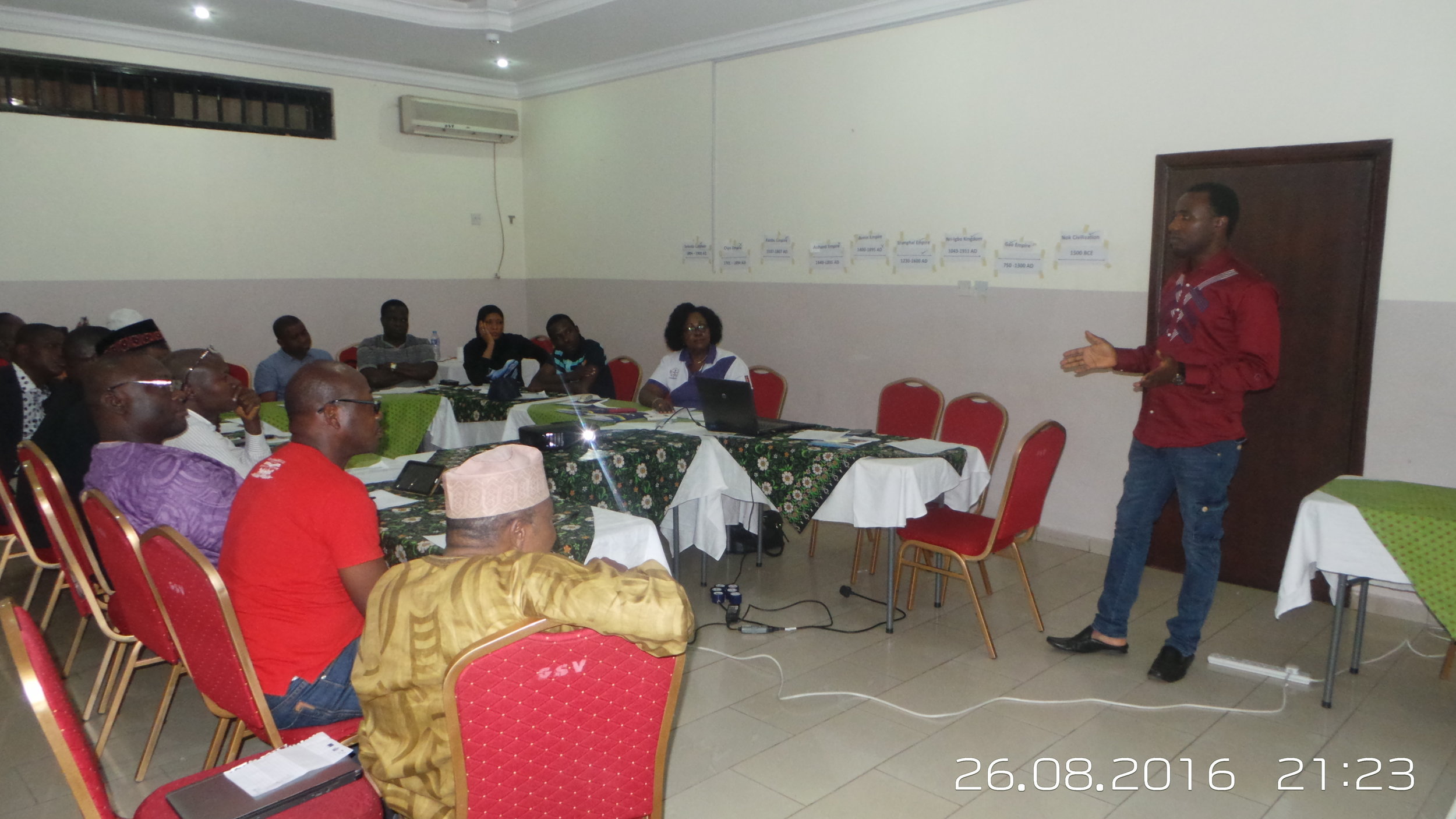
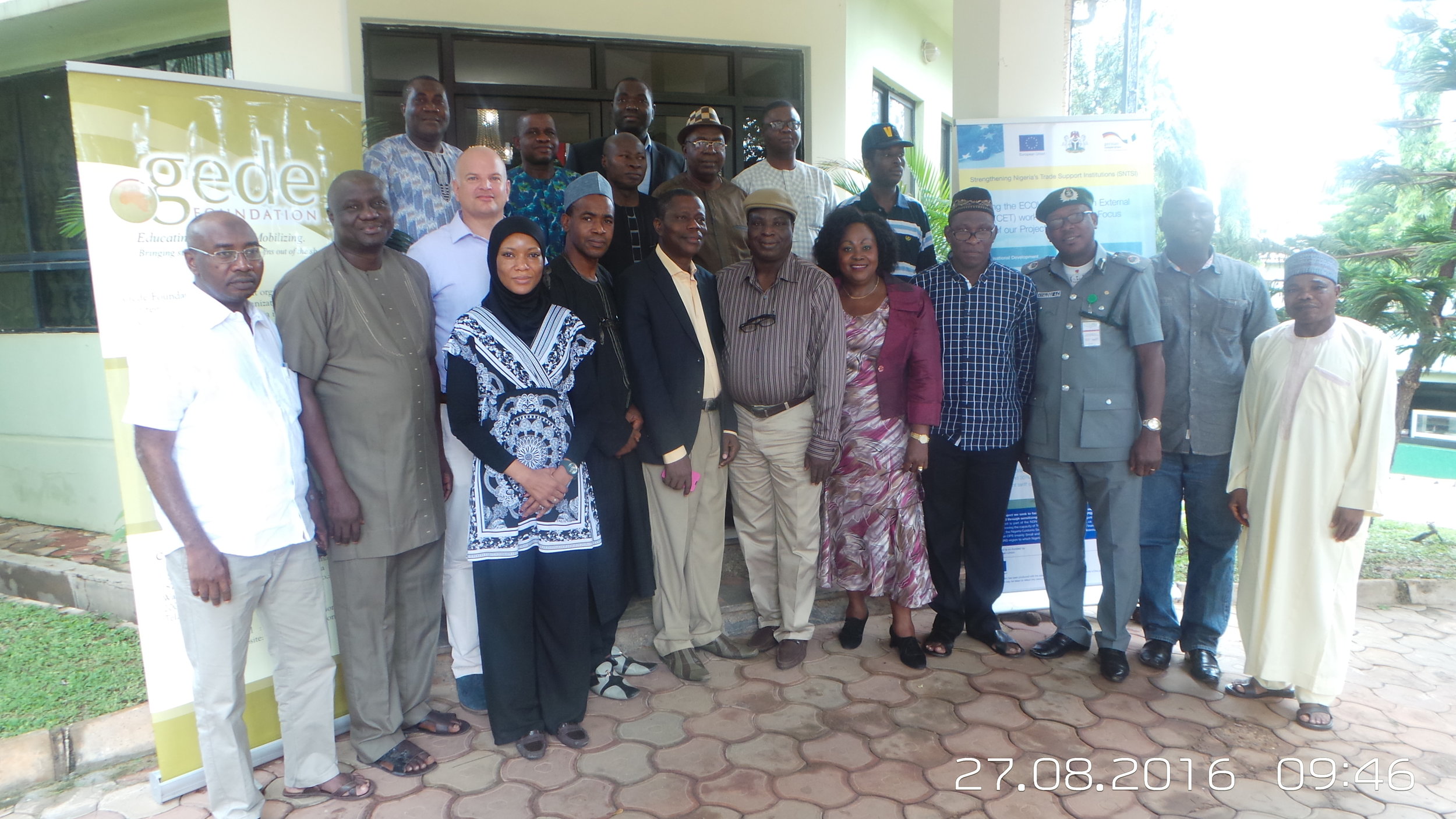
A 3-day National Review Tariff Committee meeting was organised for 20 senior management level staff within the Federal Ministries and its Agencies in Kaduna from August 25-27 2016. The meeting, which was sponsored by Deutsche Gesellschaft für Internationale Zusammenarbeit (GIZ), aimed to produce a clear policy framework which will help to formulate ECOWAS’s Common External Tariff (CET) for member countries. Participants engaged in policy review sessions which touched on regional economic integration and trade. 

Gede was engaged in the meeting to deliver its ‘Managing Stress in the Workplace Programme’ to participants in order to help them develop personalized stress management techniques to cope with their work-related tasks. The workshop objectives were achieved through a combination of technical and stress management sessions. The implications of work-related stress to senior staff members such as in the Committee were highlighted using presentations, discussions and practical demonstration of workplace relaxation and stress relief techniques by Samuel Jinadu (Clinical Psychologist from Karu Behavioural Medicine Unit), Bassant Ram (a freelance Yoga Instructor) and Gede’s Godwin Etim. Issues covered during the innovative sessions included an overview of stress, causes and signs, identification of stressors, setting clear boundaries, stress and time management, strategies for relaxation and work-life balance, treatment pathways, dealing with stigmatization and practical yoga sessions.

At the end of the 3-day workshop, participants’ knowledge, attitude and practices related to managing stress in the workplace were significantly enhanced using the different approaches as they were also provided with basic hints in which these techniques could continue beyond the workshop. Participants were able to link stress and its significance to productivity as mentioned below-

‘Stress management techniques are vital, especially, forsecurity Agencies like the Custom Service whose duty is to regulate regionaltrade andalso inpossession offire arms along the Country’s borders which is obviously tasking’-Mr Ayalogu, Assistant Controller of Customs.

In order to discuss the programme and arrange a booking, you can contact Godwin Etim via 07030070934 if you want to experience Gede’s Stress Management Programme.