GEDE TEAM MEETS CRS-SMILE CSOs

Gede Foundation is delighted to inform our readers that the 6-month research contract that Gede signed with Catholic Relief Services (CRS) Nigeria/ Sustainable Mechanisms for Improved Livelihoods and Household Empowerment (SMILE) project in May 2016 has now moved to the community. 

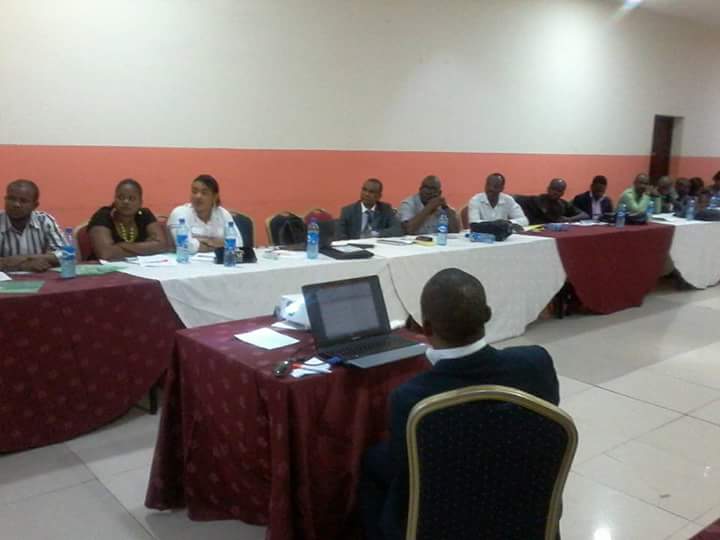
The project is focused on delivering an approach to community based detection, treatment and referral services for vulnerable children with mental health and psychosocial problems and their caregivers. As our regular readers will know, there was a 3-day training on Data Validation conducted by Dr. Brandon Kohrt in July. Sequel to this, Gede’s team met with CRS-SMILE’s Civil Society Organisations (CSO) on August 2, 2016 to discuss an important milestone which is the move to the community.

The aims of the meeting were, (i) to present the project to the CSO representatives; (ii) to secure their support for the project in line with their commitment to the SMILE programme; and (iii) to discuss logistics for recruitment of respondents and preparations in the community.  

Present in the meeting were Dr. Cynthia Ticao, Mr. Godwin Etim, Ms. Jeremy Boglosa from Gede Foundation; Mr. Joseph Inyang (Senior Programme Manager for CRS-SMILE) and representatives from the following CSOs: Elohim Foundation, Catholic Action Committee Against Aids (CACA), Justice Development and Peace Commission, and Society for Community Development.  

Recognising The Impact of Poverty on Children’s Mental Health

Mma-kamba

Mma-kamba

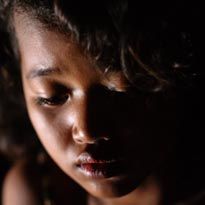
When her father died, Mma-kamba was very depressed. She was so depressed that she left the house to co-habit with a young man. She was judged, shunned and ridiculed for making this ‘wrong’ choice of leaving home at that age and may have tagged her irresponsible for leaving her mother to shoulder the burden of taking care of the home and siblings. 

This is just one example of how mental health, however daunting, is ignored among other burdens such as clean water, sanitation, nutrition, shelter, security and basic human rights. Government and civil organisations concentrate more on the aforementioned issues and neglect mental health. Individuals, children included, who are psychologically or mentally challenged often suffer alone - ashamed, stigmatised by family, neighbourhood and the community at large. 

It is important to note that responses to stressors differ from person to person. Mma-kamba’s response to her family’s condition could be because she was looking for comfort and her search led to the young man she started to co-habit with. Having just lost an important figure in her life, this may have been her way of trying to fill that void. 

Psychological research has shown that living in poverty has a wide range of negative effects in physical, mental and well-being of children (https://www.jrf.org.uk/report/psychological-perspectives-poverty) and impact within the context of their homes, school and communities.  Poorer children are at a greater risk of several negative outcome such as abuse and neglect, socio-emotional problems, behavioural problems and even poor academic outcomes. The BIG question! What can be done to help children in this state aside from judging their response to depressive conditions?

All agencies have a responsibility to respond positively to the 2013 National Policy on Mental Health Services Delivery. Barriers that affect mental health promotions should be eliminated and instead, be given as much attention as physical health.

By Ekaette Udoekong

My Experience: Working With Survivors of Child Trafficking

By Saater Brenda Ikpaahindi

From a very young age, I knew I wanted to work with the less privileged of society. My childlike ideas at the time centred around building an orphanage or adopting several children and living happily ever after. While my other childlike fantasies and utopian dreams fell to pieces, my deep desire to work with vulnerable children never waned. 

About five years ago, I was privileged to work for a UK-based organisation that supports children trafficked from Africa. I remember the first time I was asked to sit in on an assessment with a newly referred child who just escaped from the shackles of her trafficker. I think I was more nervous than the young person who sat across the room from me. She looked normal enough and didn’t seem to have any visible scars of the circumstances and abuse she had been exposed to (far from my thoughts of victims of trafficking or abuse crying uncontrollably). But as she sat across the room from my colleague and me, she told us of the life she had lived, how she had been exploited, the challenges she had faced and the problems that had driven her to become a victim of trafficking.

For many survivors of human trafficking, the story is no different. The economic situation in their home countries leaves them susceptible to unscrupulous individuals who are ready to exploit their vulnerabilities. The promise of a better life in a big city or foreign land and a fictitious land flowing with milk and honey - the land where all dreams are made - serve as a huge pull for unsuspecting and ignorant victims. Traffickers promise young bendable minds an escape from their current situation and paint a vivid picture of success and prosperity. 

Unfortunately, this life, is often rife with nights without food, beatings, loss of family contact in their home countries, repeated rape, being passed around different men for the purpose of sex or relatives and family friends for the purpose of labour, denied education, free movement, and their voices silenced. Victims are sometimes imprisoned and criminalised for lack of proper identification or linked to criminal activities which affect their mental and psychological wellbeing.

After the assessment, as a newbie, I remember asking my colleague how she managed to do this on a daily basis.  How she managed to hear these stories and remain sane. I felt depressed and at the same time guilty. How many children had I passed by, who could be victims of trafficking? Why was I feeling worse than the person who had recounted her story when this was not about me? What could I do to help?  Was I ever going to get used to hearing these stories and can I really continue in this line of work? These questions boggled my mind for weeks.

But over the years, as I worked with these survivors of child trafficking, who despite being adults, sometimes behaved like children trapped in a time capsule and as they began to heal, open up, trust and confide in me, I knew in that moment that I was beginning to fulfil my childhood dreams.

Child survivors of human trafficking inspire me. Most of them have been through untold hardships, suffering and exploitation which affects their daily functioning. Yet, they find the will to live, the strength to rise above their past, the tenacity to trust again and they dare to believe that their tomorrow will be better than their yesterday. 

I have had the opportunity of working with some of the bravest young people I have ever met, who once victims are survivors of some of the worst forms of abuse. Some have gone on to get degrees, get married, have children and some are now advocates for children trapped in similar situations by sharing their stories in the hope that they will help rescue other children from exploitation. These children have left an indelible mark in my heart and I’m persuaded that more needs to be done by individuals, Civil Society Organisations and state agents in putting an end to modern slavery, one of the worst forms of abuse and human rights violations of our time. 

Saater is a volunteer for one of the projects at the Foundation.

Saater is a volunteer for one of the projects at the Foundation.

Does Academic Success Equal Job Success?

Higher education is an important goal for many and it’s evident by the large number of people working to acquire degrees in undergraduate and graduate studies. Some students put a huge amount of effort into their studies and graduate with exceptional academic grades. Others do not focus on their studies and put minimal amount of effort to pass their classes and earn a degree. In a perfect world, students who perform exceptionally well should not have a problem finding excellent jobs to be successful in their careers. However, the reality is both exceptional and ordinary students are faced with similar experiences in job opportunities and successes. This is the reality! The big question is what is the psychological impact on undergraduates and how does one explain correctly the realism that academic success does not necessarily translate to job success.

Today, I was at the academic division of the Cross River State University of Technology (CRUTECH) to receive collated results for 14 students on the UniCem – Gede Foundation Education Support Programme. As I studied the results I would say that on average it is ‘good’. It came to mind that I could get an opinion from one of the awardee on who has just graduated on this matter-

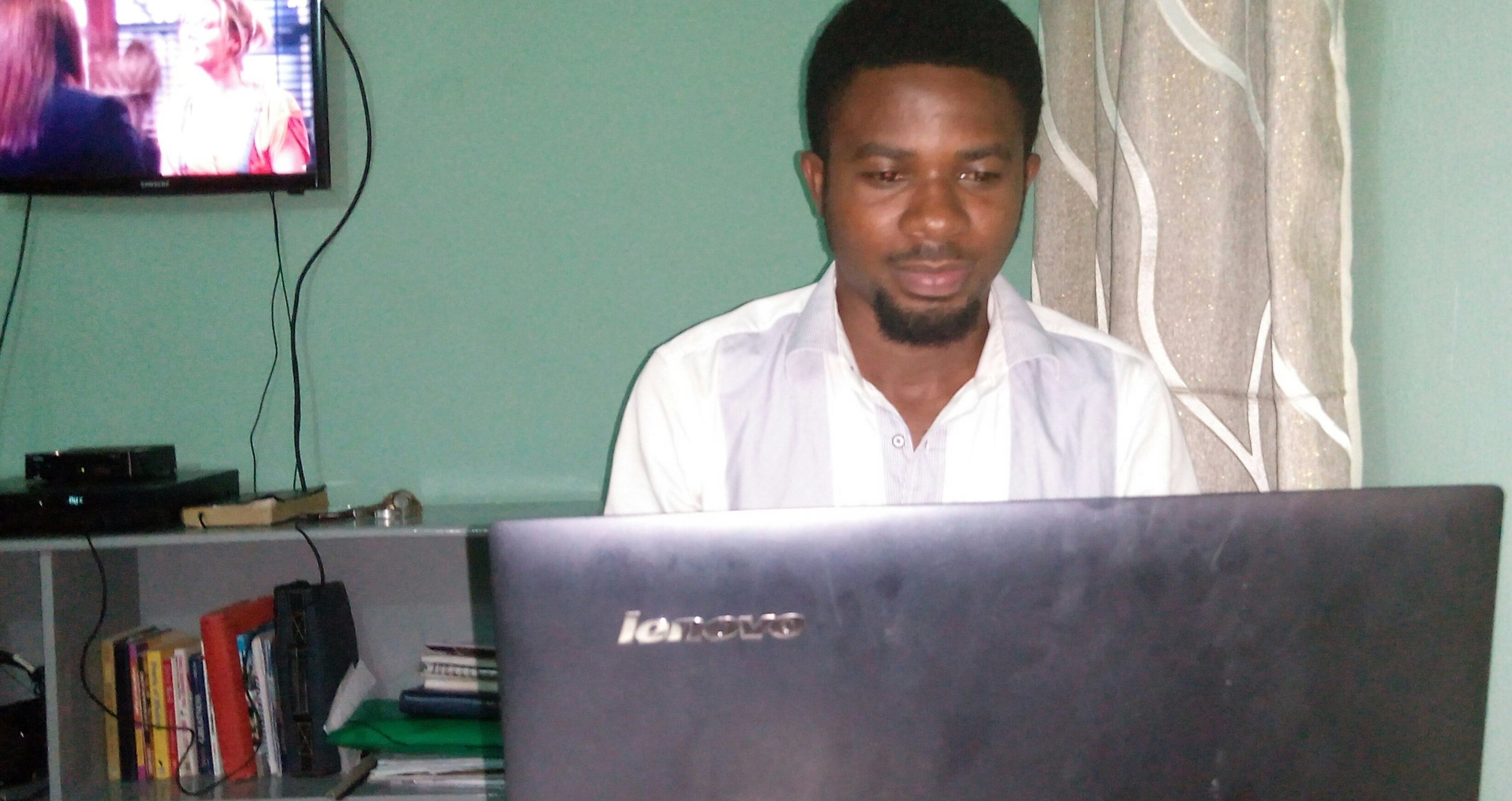
My name is Eso, Eso John a graduate of Banking and Finance. I had the privilege of the award of scholarship from Lafarge Africa Plc (UniCem) through my study time at the University. It’s a misconception that financial aid translates to academic successes. Academic success is influenced by motivations, parenting encouragement, studying techniques, ability to manage academic stress, ability to identify correctly one strength and weakness, ability to over procrastination to mention but a few. A student who has these and financial aid would make an excellent academic performance. It is true that jobs are limited now but any graduate who has no additional skill will not have job success with or without good academic successes. Additional skills such as adventure, entrepreneurial skill, ICT competence, ability to work with others and so on are important in job search, therefore, I would advocate for additional initiatives to the financial aid to make awardees have advantage over others after graduation.

By Ekaette Udoekong

AFTER ENLIGHTENMENT…THE LAUNDRY

By John Minto, Managing Director, Gede Foundation

This article appeared on Health Reporters and can also be read by following this link http://healthreporters.info/2016/08/19/after-enlightenmentthe-laundry-by-john-minto/

Although there are some serious questions to be asked about any international ‘targets’, there can be little doubt that the celebrations which greeted the inclusion of mental health into Sustainable Development Goals (SDGs) were justified and well earned. Mental health activists rightly celebrated the fact that, now, there is global recognition of at least two vital issues which are captured in the SDGs – 

3.4 – By 2030, reduce by one third premature mortality from non-communicable diseases through prevention and treatment and promote mental health and well-being

3.5 – Strengthen the prevention and treatment of substance abuse, including narcotic drug abuse and harmful use of alcohol

Goals matter. Targets matter. International agreements matter. Why? Despite the fact that they are often politically motivated and can be based on ‘the loudest voice’ principle, they can capture issues which are of genuine concern and which need resources to address them. In the case of mental, neurological and substance use (MNS), a compelling case has been made that, as a starting point, conditions such as depression and alcohol abuse should be seen as problems ‘across the board’ (that is, they impact negatively on education, health and an ability to earn a living) and can no longer be ignored. On top of this, the global mental health community used ‘shock’ tactics to get their message across effectively – the fact that suicide is the biggest killer of teenage girls around the world garnered a great deal of media attention over the last couple of years in particular.

But, after enlightenment, the laundry as the saying goes. What happens now?

Voices have already been raised in terms of ways in which to address the ‘key issues’ (although even these are open to debate). Should political will and resources be immediately put into the training of a greater number of mental health experts? Should urban based mental hospitals be the focus of service delivery, acting as catalytic players in the drive towards health for all? Should community level mental health take precedence instead? What about stigma and discrimination? Should there be priority populations and conditions initially – such as post-traumatic stress disorder for internally displaced persons?

A recent article by Maya Semrau et al (“Strengthening mental health systems in low-and middle-income countries: the Emerald programme.” BMC Medicine (2015) 13:79) offers a convincing framework related to ways in which health systems can develop and support those needing quality healthcare.

The core of Semrau’s work is an understanding that there is little to be gained from considering isolated elements within any response to a particular health burden. Instead, it is more productive to view a health system as “the sum total of all the organisations, institutions, and resources whose primary purpose is to improve health”. As Semrau also notes, “a well-functioning health system should deliver services of adequate quality to all people, whenever and wherever they need them and should protect the right to health for everyone, including people with mental, neurological and substance use disorders, whether through professional services or non-professional care services such as family or self-care”.


These are important insights for the development of mental health systems in any low and middle income country (LMIC) as they suggest an overall framework in which change can occur. At the time of writing, this framework is being, to some extent, tested in Ethiopia, India, Nepal, Nigeria, South Africa and Uganda through the EMERALD (Emerging mental health systems in LMICs) programme which has already started to report back on some positive developments.

Part of the appeal of the EMERALD project is that it looks at the following key system issues –

1.Health System Inputs

Semrau argues that adequate resources for mental health, fair financing and improved economic outcomes for mental health and sustainable financing for mental health are all essential elements within the inputs needed for an effective mental health system. Pivotally, EMERALD is working on cost estimates and the impact of scaling up interventions for mental illness in particular. Underlying this approach is an important question which is perhaps too infrequently asked – what is the cost of not addressing mental illness in any given society? Are the costs of not treating MNS far larger (especially in the long run) than investing in treatment?


2.Health System Processes

As Semrau notes, “another key objective for EMERALD is the evaluation of the context, process, experience and health system implications of mental health service implementation”. Currently, although it is acknowledged to have strengths and weaknesses, many LMICs are using the WHO mhGAP Intervention Guide which offers guidelines (which can be used by lay health workers) related to diagnosis and treatment of MNS disorders. This is linked to an assessment of the strategies (in LMICs) related to the development and implementation of mental health plans at all levels of healthcare service delivery. The key is to provide evidence regarding ‘what works’ in terms of integrated mental health services using existing health platforms. There is, as we all know, no point in reinventing the wheel and seeing how the mhGAP can be fully implemented within the context of existing structures and platforms is an important element within systems development.

3.Health System Outputs

It is perhaps natural that many mental health commentators and ‘supporters’ want to see output quickly – mainly through more treatment pathways. However, even if possible, this tends to defocus an important issue surrounding the development and monitoring of key indicators for mental health service delivery and overall system performance. This is not to say that what cannot be measured should not be done, but the absence of hard evidence related to outcomes will be a serious barrier to advocating for mental health resources with any Government or donor. This, in itself, raises questions regarding monitoring and evaluation (and the use of modern technology where appropriate) which is often deeply challenging for LMICs whose main focus is often, not unreasonably, on front loaded service delivery.

To complicate an already challenging subject, Semrau also notes the importance of developing partnerships “with service users” which “are essential for the development of evidence-based care in government guidance across the globe. They may protect those who receive involuntary treatment abuses, or those who are marginalised due to their low socio economic status or social stigma attached to MNS disorders, through their greater involvement in the implementation of mental health system processes”. Semrau notes the importance of the work between healthcare professionals, service users/carers and government agencies in relation to the successful implementation of HIV healthcare and poses a question related to lessons learned re mental health.

The key to building a sustainable mental health system in Nigeria will focus on addressingissues related to health system inputs, processes and outputs. Naturally, the challenges will be found in the detail but with mental health now an SDG, there is clearly an opportunity for all interested parties and stakeholders to work together to build on best practice and to develop something unique to the context of Nigeria.

Few people now seriously doubt the importance and impact of MNS. In itself, this is a major victory for the global mental health community. However, after enlightenment…the laundry.

The Gede Foundation works to bring underserved and stigmatised health burdens ‘out of the shadows’ through high quality research, catalytic partnerships and advocacy which result in long term change at the community level. The Foundation is currently working with partners to establish the prevalence of depression, substance abuse and suicidality among people living with HIV-AIDS while, at the same time, exploring ways in which mental health protocols can be integrated into existing health platforms. The Foundation was recently awarded a BasicNeeds UK franchise (see http://www.basicneeds.org/gede-foundation-joins-as-basicneeds-first-franchisee-in-nigeria) to develop community based mental health programmes which address both mental illness (and epilepsy) and livelihood support for those suffering from mental illness and their carers. The Foundation is also currently working with partners to culturally validate tools for VC programmes throughout Nigeria. In the interests of transparency, Gede is not linked to the EMERALD project in any way

 

Mental Health Experts Trained on Data Validation

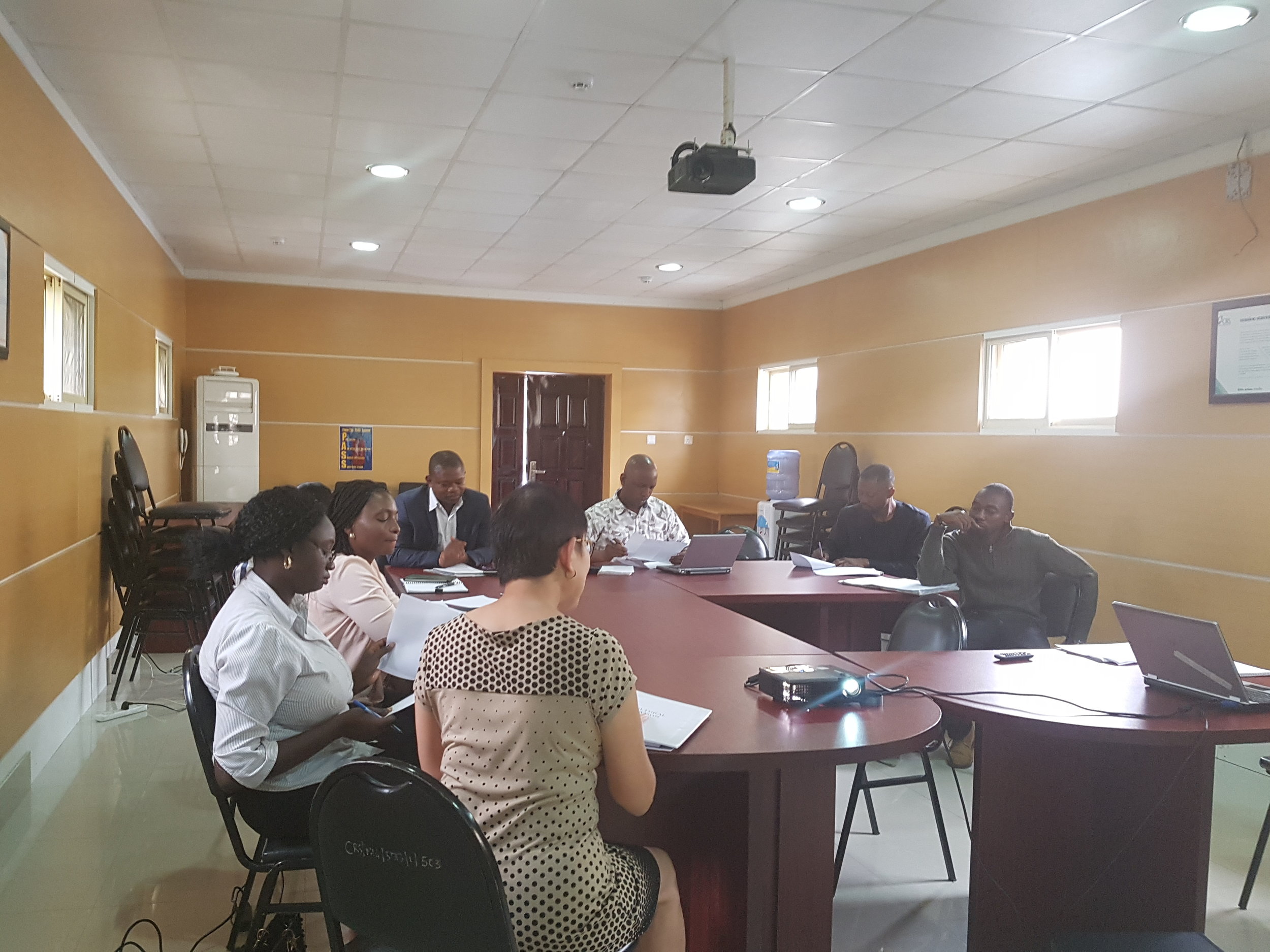
As our regular readers will already know, Gede Foundation signed a 6-month research contract with Catholic Relief Services (CRS) Nigeria/ Sustainable Mechanisms for Improved Livelihoods and Household Empowerment (SMILE) project in May 2016. The contract is focused on delivering an approach to community based detection, treatment and referral services for vulnerable children with mental health and psychosocial problems and their caregivers. Sequel to the 7-day training on Research for project Research Assistants and CRS-SMILE Team in June, a three-day training on Data Validation was conducted from25th of July to the 27th of July inclusive. 

Dr. Brandon Khort, one of Gede’s Board members and an assistant professor at Duke University conducted the training. Dr. Khort also provides technical support for the project. He specialises in Psychiatry and Behavioural Sciences and Anthropology and has done research interventions in several countries such as Nepal, Mongolia, Haiti and various parts of Africa. The participants to the training were four (4) mental health experts engaged by Gede Foundation to support the project in its data validation stage where screening tools that were culturally adapted will be tested against a gold standard tool.  Dr. Cynthia Ticao, Jeremy Boglosa and Temitope Gafaar (a volunteer from Duke University) were among those in the training.  

The training was highly technical because it focused more on diagnosis of mental health conditions among children but Dr. Kohrt delivered it in a very practical and interactive manner.  The first day focused more on data validation process and review of the tool.  One the second day, the mental health experts practiced by administering the tool with children invited by Gede from one of its partner communities.  The last day was a time for the mental health experts to get acquainted with the research assistants.  The group reviewed the translated screening tools on the same day.  

The project has gone to a level where the tools and personnel are almost ready to go to the communities to interact and gather data from the respondents.  There is still a long way to go but the project team both from Gede Foundation and Catholic Relief Services-SMILE is confident that the results of research project will go a long way in opening avenues for discussion regarding child mental health in Nigeria.  


YOUTHFUL EXUBERANCE: FUN OR FATAL?

I could not remember things and I could not truly focus; my life was a blur.”

University is supposed to be a fun time; newly exposed to the world, on your own and with so much freedom. This is exactly what it was for me. However, there was so much more that I could barely contain the excitement. 

I got involved with drugs quite innocently. It was mostly recreational - they called it and it was fun. It was not long before my reasons for using “slow” changed completely. I needed it to feel like myself and I needed it to get along with others or do my assignments or go for parties. I was on this high that I cannot quite describe. My drug of choice was codeine and it was quite easy to get too. Most people took it to sleep. I took it to fight the sleep. That was the beauty of it. Did my grades suffer? Not really. I was still the straight A, Deans List student I had always been. 

I began to lose weight at an alarming rate and I needed to read things more and more in order to remember them. I could not remember things and I could not truly focus; my life was a blur. It was at this point that my friends and family took notice. I was cautioned because, what is addiction in an African home?? I was prayed for but did not stop. I came from an affluent family so money was not an issue. When my parents found out that I had not stopped, they cut me off. I cannot begin to describe the things I have done to get a fix. Did I mention that my addiction went into crack cocaine? It is amazing how easy it is to get these drugs right in Abuja. 

I have woken up in strange places, wearing strange men’s clothing. I’d slept with men to get my drug of choice. I even have a baby and thankfully, I know the father. This did not stop me from wanting to get drugs. When my parents cut me off, I went as far as begging random men using my son to get drugs. I am not proud of what I have done and I am grateful for my parents because they finally took me to a rehabilitation centre. It seemed to work the first time and I was in touch with the person I was before. I tried to get my life back on track and then I relapsed. 

I was taken to rehab two more times until my parents kind of gave up. Note that in the middle of my second year at university, I could not keep up anymore. Studies didn’t mean all that much to me anymore. I just needed to get high and go about my way. 

Where am I now? I’m back in university. All my friends have graduated and either have amazing jobs and families or are getting their PhDs. I am ashamed and remorseful but I have my family’s backing and support. Some of my friends want nothing to do with me and I understand where they are coming from.

The temptation to use is always there. However, I have a psychiatrist that I see and I am getting better. I am told it takes time and constant effort to stay clean. I am allowed to see my son and I have to live with the guilt of what I have done. Everyday, step by step, I am learning to deal with those emotions that caused me to want more and more of the drugs. I keep myself distracted. My youthful exuberance got me a baby and some wasted years. I can say I am lucky because I am still here but others have not been so lucky. 


Submitted by a survivor of substance abuse

Community Based Volunteer Highlight: Elisha Shaibu

The BasicNeeds project would be almost impossible to carry out if not for the efforts of the Community Based Volunteers (CBVs). They take time out of their daily activities to enrol users (those living with mental illnesses and epilepsy) and this is no easy task. Sometimes they have to walk long distances to find users, other times they encounter hostile users yet they continue. 

Elisha is one of the volunteers from Mararaba. He volunteers in his community in matters such as security, health issues (polio, HIV and now mental health), numbering of houses in the community and much more. 

Gede Foundation recruited him for the BasicNeeds project in April earlier this year. He has this to say about the project and Gede Foundation and mental health intervention in his community- 

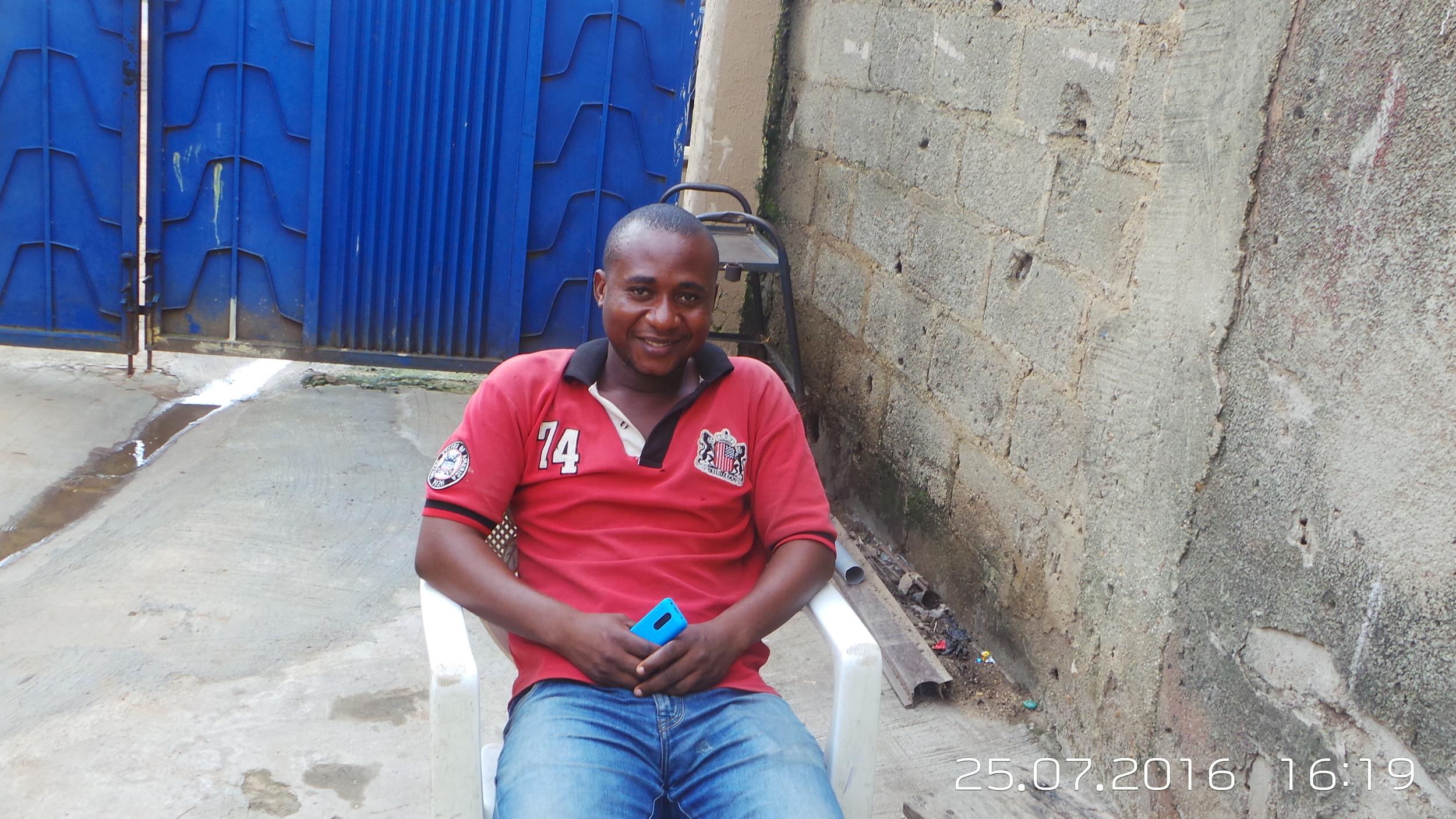
“Gede Foundation is genuine and wants to help the people. They have not asked for money from community members and have delivered on what they promised so far. From this project, I am learning that there are so many mental disorders and people really need help. I have also learned that some disorders can be avoided although not easily, such as drug and substance abuse. The people out there need to be educated so that those suffering from mental illnesses can feel safe and secure and not be rejected. It is good that Gede has come to do the Mental Health Camp, because people are now aware of it and more of them have come out. I like to help people and being part of this is good. I have been able to reach many many people and for this I am happy. It is good that Gede is doing what they have promised.”

Elisha Shaibu

Elisha Shaibu

Elisha is a hard worker and with his strong work ethic and involvement in the community, there are more good things to come with respect to the project. 


Stakeholders’ Sensitisation Meeting with NGOs/CSOs-CBOs/FBOs on Health Care Financing

Gede Foundation Calabar was part of a 1 day sensitisation meeting with NGOs/CSOs-CBOs/FBOs on Health Care Financing organised by Abt Associates and its partners and sponsored by USAID’s Health, Finance and Governance Project (HFG). The meeting was held in Calabar and had over 40 participants including representatives from State Ministry of Finance, Ministry of NGO/CSOs Affairs, Ministry of Health, State Agency for the Control of AIDS - SACA, Faith/Community-Based Organisations, Civil Society Organisation and Networks. 

The purpose of the meeting was to sensitise participants on health care and service delivery systems as they relate to health insurance outcomes. Discussions were based on,(i) financing for health and HIV/AIDS through domestic resource mobilisation, and, (ii) enhancing good governance and support for Health Care Financing reforms. The meeting also acquainted participating CSOs/NGOs with the Cross River State’s health accounting process – Resource Tracking of Heath funds and presentation of the Cross River State road map on Health Insurance Scheme. 

During discussions, the organisers were asked if resources/funds mobilised were only channelled to HIV/AIDS interventions and related illnesses and whether or not other health challenges, such as mental health could be addressed as well. In response, Mr. Ibiam Azu, the State Programme Coordinator (USAID Health Finance and Governance Project) explained that the HFG project is working with the Nigerian government to mobilise additional public funding for national HIV programming and this mobilisation is through the State’s Health Insurance scheme. This work includes generating financial evidence on the costs, impact, and sustainability of HIV efforts, using this evidence to mobilise additional resources, and ensuring efficient, effective, and equitable use of national HIV programming resources. 

This meeting was the first of its kind in Cross River State. Abt Associate is also holding consultations with Line Ministries within the State and will be working with CSOs/NGOs within the State to advocate for mobilisation of funds for HIV/AIDS and its related illness.