McGill Summer Program Social/Cultural Research Methods and Cultural Psychiatry

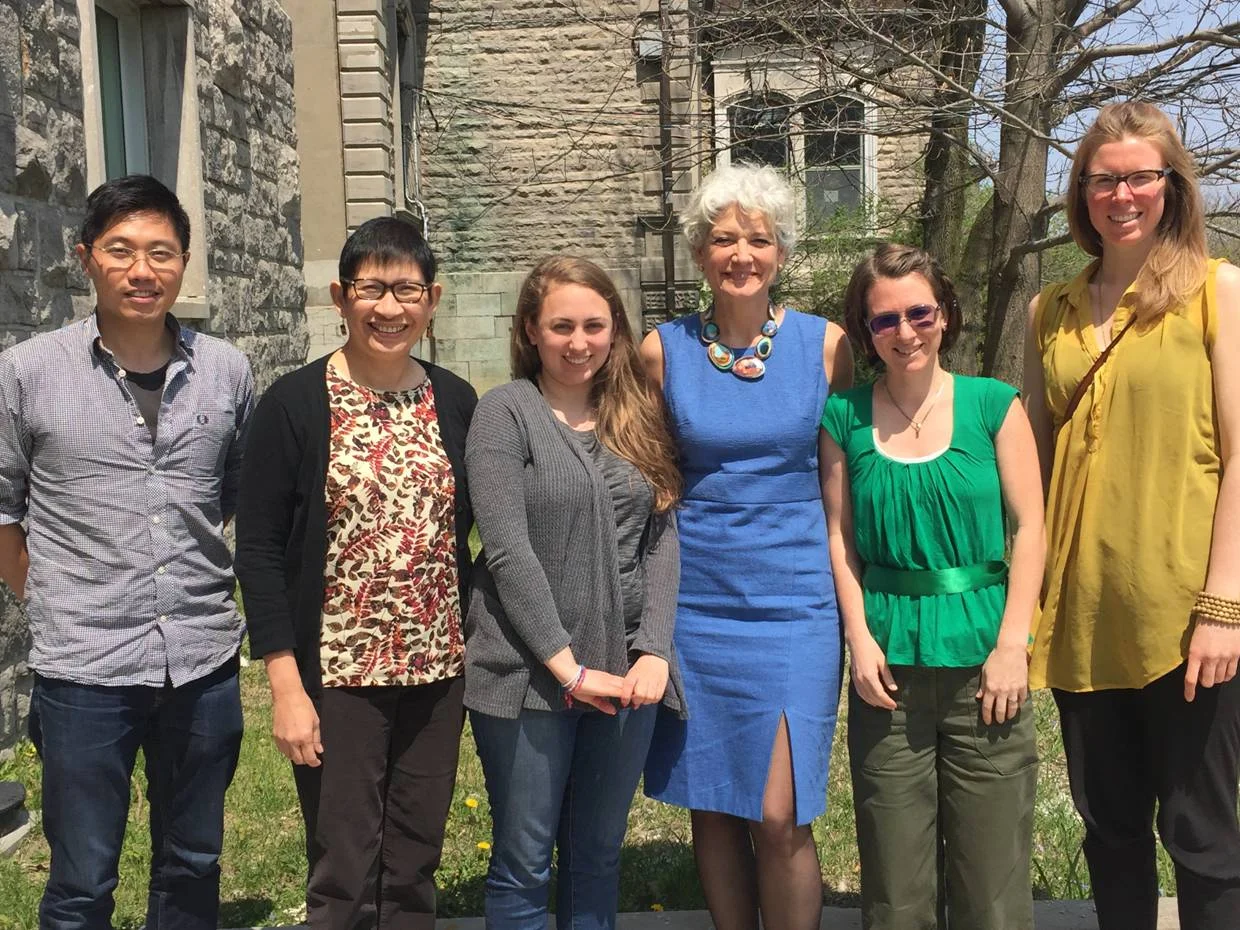
Dr. Cynthia Ticao (Performance Director, Research & Advocacy) came to McGill University (Montreal, Quebec, Canada) to attend two courses (Research Methods in Social/Cultural Psychiatry and Cultural Psychiatry) and one workshop (the McGill Illness Narrative/MINI) at the McGill Summer Program ran by the Institute of Social and Transcultural Psychiatry. The MINI workshop ended on the second week of May, while the two courses were completed on May 26 and May 27, 2016.

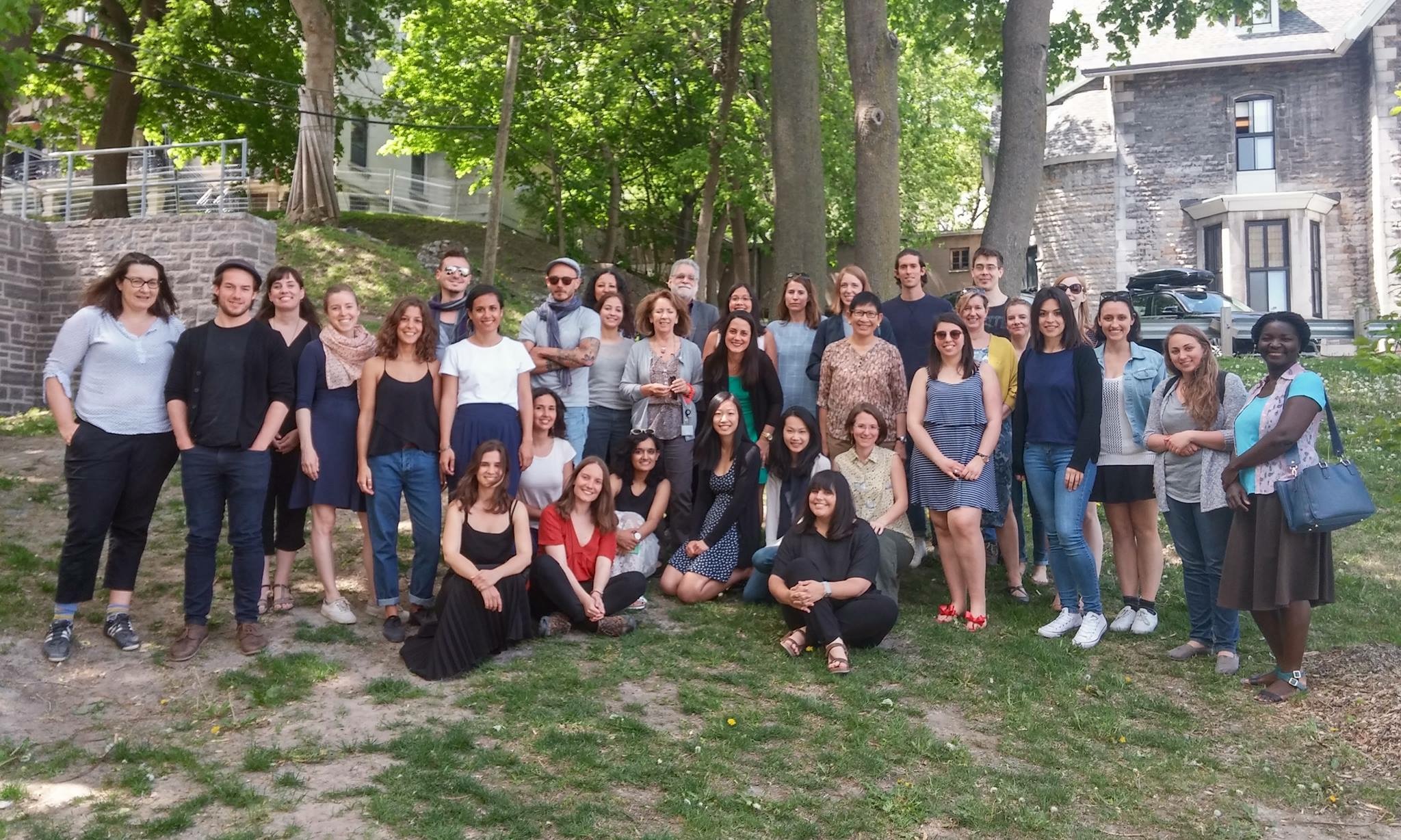
Both courses were very enriching. Cultural Psychiatry, under Dr. Laurence Kirmayer, provided an overview of approaches, theories, and historical background related to the role, influence, and relevance of cultural diversity on one’s understanding of mental illness. The course on Research Methods, led by Prof. Rob Whitley, exposed the participants to qualitative, quantitative, and mixed methods that researchers currently use to explore issues, and formulate different perspectives and interventions that can alleviate mental health problems. The class discussions were engaging—what with participants coming from different parts of the world (Australia, Brazil, Canada, Egypt, Ireland, Mexico, and Portugal – to name a few!).

Dr. Ticao will also attend the workshop on Global Mental Health Research from June 2-7, 2016. Watch out for her next blog.

Happy Children’s Day: A Grateful Heart

May 27th was Children’s Day. We at Gede Foundation were honoured to receive this story from one of our beneficiaries from the Orphans and Vulnerable Children (OVC) programme. 

“My name is Tope Anthony. I am a final year student of Mount Faith College, Sheretti. I have always wanted to become an army officer. I admire the way they serve the country. Every time I see them parading on a roll, singing sovereign songs, saluting officers, standing perfectly still, I’d watch them from a distance. For these reasons, I wanted to join the army and serve my country. However, my father passed away and with his passing went my hopes and dreams of ever getting an education and joining the army. It was a great loss, not only to me, but to my whole family as there was no one to pick up my father’s role and help the family. My mother too, was very ill. 

Eventually, I heard about Gede Foundation’s scholarship programme, which I enrolled into. I am smiling today because not only did I continue my school, I participated in the parade during Children’s Day and felt closer to my dream of joining the army.”

Gede Foundation’s very own John Adakolo, who is part of the project, narrated how this young man’s story is one of his favourite stories. He said the story gives him hope and a sense of accomplishment as what the Foundation is doing has actual impact in communities. He hopes and prays Gede touches more lives.

A Very Special Day For Gede

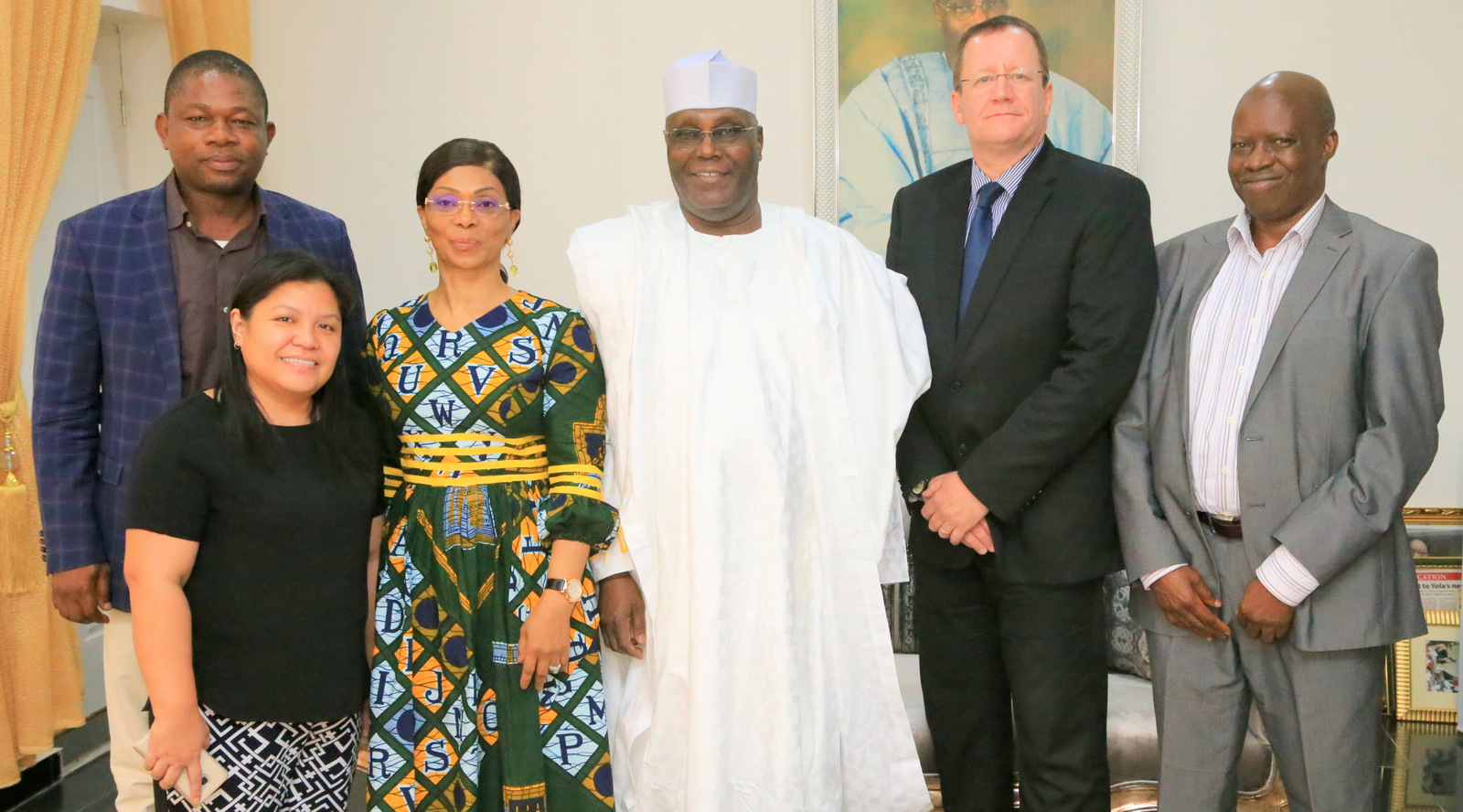
On Friday, May 20th 2016, Gede’s Senior Management Team was honoured to be part of a meeting with His Excellency, Alhaji Atiku Abubakar, to express the Foundation’s deep appreciation for his long-time commitment to providing support to many vulnerable populations in Nigeria including orphans, people living with HIV-AIDS, as well as those who suffer from mental illnesses, including epilepsy.

During the meeting, His Excellency commended Gede on the Foundation’s work since 2003. In particular, His Excellency noted the Foundation’s aim of bringing stigmatised and undeserved health burdens ‘out of the shadows’ through world class research and cutting edge partnerships which make a real difference at the community level. His Excellency encouraged Gede to continue with this focus, most especially in the area of mental illness which, as His Excellency noted, is increasingly becoming an important development problem in many low and middle income countries. 

Gede would like to use this medium to thank His Excellency, Alhaji Atiku Abubakar, for his support in promoting its programmes and pledges to continue to work tirelessly in order to bring long lasting and ‘real’ benefits to those living in local communities.


GEDE FOUNDATION WELCOMES NEW BLOOD

Gede Foundation recently employed two people to assist in the daily operations of the organization. The 'new blood', Zunzika Thole-Okpo (Media Officer) and Abdulwaheed Aliyu (Driver), were treated to a very informative orientation today, May 25th, 2016

A few existing team members were present at the orientation to welcome the ‘new blood’. Ms Jeremy Boglosa, the Performance Director: Organizational Development & Support Services presented the orientation in a very detailed and interactive manner. The new employees were educated on the Foundation’s rich history, its mission, the programme and strategies, people, organizational structure, geographical scope, policies, logistics and organizational culture, just to mention a few. 

Mr. Aliyu expressed his happiness for being a new member of the Foundation. He stated that “Gede means hope, and I see this as an opportunity to help the society through humanitarian services. I am proud to be involved.”

Zunzika and Aliyu from right to left with the rest of the welcome team!

Zunzika and Aliyu from right to left with the rest of the welcome team!

Zunzika also expressed joy in the new appointment and hopes to work with everybody at the Foundation to bring out stigmatized burdens out of the shadows

As the Foundation continues to grow, it is our sincere hope that we continue to be a learning organization. A very hearty welcome to our newest recruits.

YEAR OF ACTION - END VIOLENCE AGAINST CHILDREN

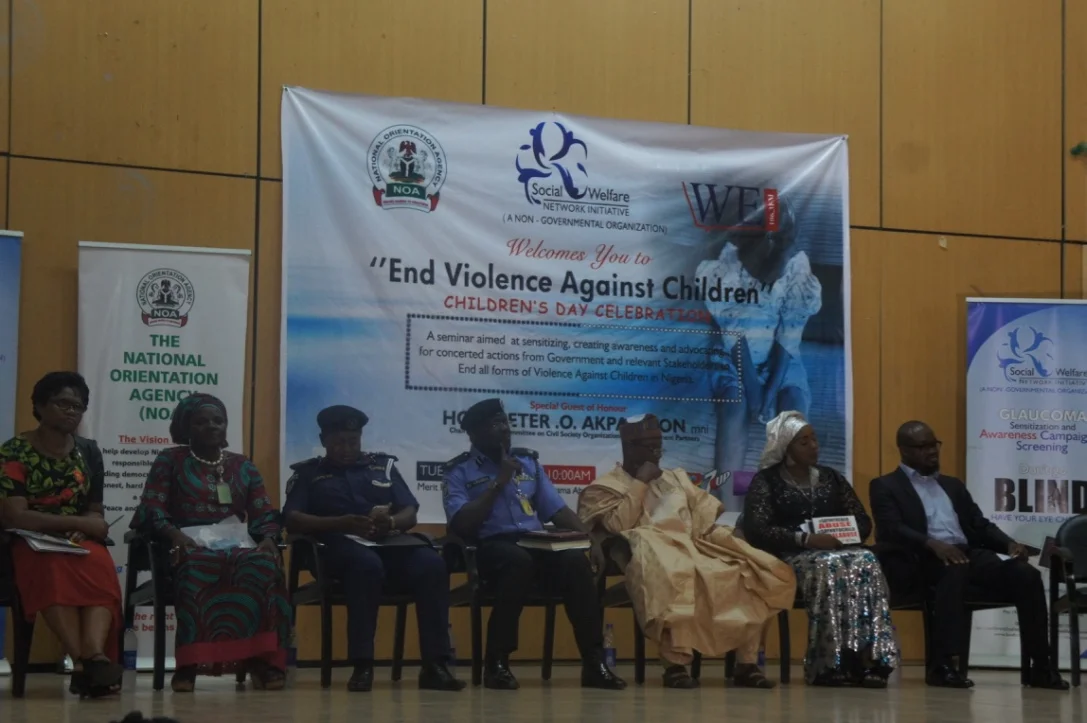
The rate at which children are being abused in Nigeria (and globally), is alarming. Without a doubt, this leaves scars - some visible, others not. It is a heavy topic but it has to start from somewhere. In order to commemorate Children’s Day which falls on May 27th 2016, the Social Welfare Network Initiative (SWNI), in partnership with UNICEF, National Orientation Agency (NOA) and WE fm called for an end to violence against children. 

Gede Foundation attended this mind opening and thought provoking seminar which was held at Merit House, Abuja, FCT. Needless to say, the event was attended by a lot of partners and the most important being the young children from Oak Heights International School, Lugbe. 

Furthermore, the event presented other ways in which the mental health of children is either adversely affected, taken for granted or harmed. It also brought into question the mental health or mental state of the adults that inflict abuse on children. 

The seminar kicked off with a chilling revelation from the National Co-ordinator, Country Programme Manager for SWNI, Emmanuel Olisaeloka Osemeka about his own experiences of abuse as a child and how this has helped him fight for children's rights. This was followed by a welcome address and a score of goodwill messages from representatives of various stakeholders. 

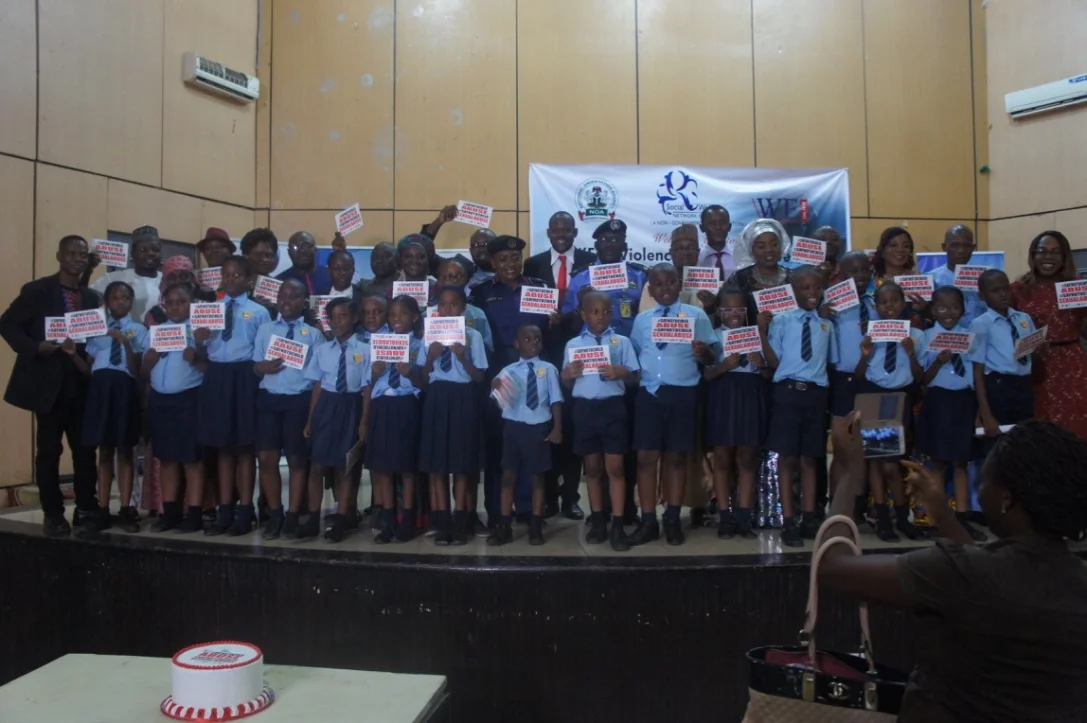
The seminar was fully interactive and started with the children performed a musical drama that they had prepared. In the drama, they stated the various ways that children are abused and echoed the theme of the day which was ‘SAY NO TO CHILD ABUSE AND CHILD SEXUAL ABUSE’. Some of the examples that stood out were hawking on the streets, tribal marks, rape, calling them worthless, and generally exposing the children to situations where they are in a lot of dangers. The kids’ performance was interesting in that it clearly depicted that long after the physical scars have healed, they still have to deal with emotional, and even sadder, mental torture. 

UNICEF also had a presentation. Their video, which can be viewed by following the link, (https://www.youtube.com/watch?v=wMq10fCal3s) shows the horrifying ways in which children are abused and, sadly, often by those that ought to protect them. 

Thereafter followed a panel discussion and an interactive Q and A session. The children were very active and asked questions such as, “why would a grown man rape a small child” and also “Why would a pastor, prophet or Imam, label kids as witches and wizard?.” Questions relating to mental health were also raised. UNICEF informed the participants that they have programs that help, educate and heal children that have been abused. 

In conclusion, children are the future. To quote one of the speakers, kids are very vulnerable and very impressionable. It is up to the adults to make sure that there is safe communication between the children and those they trust, to make sure that children are comfortable enough to speak out and not suffer in silence. Parents and adults alike were encouraged to be vigilant, to look for signs of abuse in children and to seek help where the need arises. It is the children’s right to be protected from physical as well as emotional abuse. Children may be resilient and physical scars may heal, but this does not mean the emotional and mental scars are healed too.

Enlightened - My First Week as Media Officer At Gede Foundation

Like every other person, I have my own opinions on just about everything. A lot of times, I'm convinced that I am correct. However, on May 16th 2016, one of the things I felt strongly about, was turned upside down, topsy turvy, completely annihilated. Turns out, mentally ill people are less likely to get violent than members of the general population. Imagine my surprise. This is only one of many things that happened to me during my first week at Gede. 

As I reported for work on the 16th, I was thrown right into meetings. I found out I was not going to be in the office most of the week. There were events I had to attend in Dutse-Alhaji, Mpape and Mararaba, in Nassarawa State. 

My first concern was the need for safety. Imagine this, I am going into the community (not a hospital), a community where mentally ill people will be walking around with no support and no one to put them in a straitjacket should they become ‘unruly’. Naturally, I was concerned for my safety and that of my colleagues so I asked what measures the Foundation has in place, in case a mentally ill patient ‘loses’ it. This is when I learned the aforementioned lesson. 

This was a shock to me. In truth, the media has escalated this notion because when we see a mentally ill person in movies, they are either fighting with someone, struggling to get away or causing some other type of havoc. Therefore, many of us naturally assume we need protection from mentally ill people. Even though I consider myself informed and less likely to stigmatize, this was me stigmatizing mentally ill people. 

The next day, I went out with a few colleagues to Dutse Day Government School for an HIV/AIDS & Reproductive Health Workshop. Not knowing what my place was, and what to expect exactly, I positioned myself at the front of the classroom and settled in, waiting for the workshop to begin. When it started, I was amazed at how much these kids knew about HIV & AIDS. They did not shy away from difficult questions, they did not seem embarrassed by things I’d have been embarrassed at, at their age. It was very refreshing to see kids for once, not focused on social media and the latest music or fashion trends. There was a short test for them where they performed quite well, not at all what I was expecting. 

After the Duste event, I joined the BasicNeeds team for their very first key informant interviews and monthly meetings with the Community Based Volunteers in their two communities. Before I proceed, the BasicNeeds Project in Nigeria, in line with the BasicNeeds (BN) purpose, seeks to enable people with mental illness or epilepsy (PWMIE) and their families to live and work successfully in their communities by combining health, socioeconomic and community orientated solutions with changes in policy, practice and resource allocation. I was privileged enough to attend one of their events this week. The first person to be interviewed was a local pastor at one of the newer churches in Mpape. The man has prayed for over 10 people, 8 of who are working or earning an income. This was immensely inspiring as the pastor, without even knowing, had helped a lot of people in line with what the BasicNeeds project actually stands for. One of the people he was still helping was enrolled at a local community computer school, while the other was inside the church - chained to a pole. Without a doubt, this sight was unsettling. However, after a moment of reflection and discussions, a few questions were raised, what if the young lady was aimlessly wandering the streets, what if she was violent? Admittedly, the situation was not conducive but what was the alternative?

Community Based Volunteers Monthly Meeting, Mpape.

The other challenge, of course, is that he cannot support everyone because he has many other dependents. The other person that we did an interview with was the person in charge at Mararaba Primary Health Care (PHC). There is a lot that the PHC does not have that is necessary to cater for someone who is mentally ill. They encouraged that instead, the patients visit the Federal Medical Center (FMC). 

It was very refreshing to know that there are scores of people that are willing to assist, they just don’t know how. There are also various cases that the BasicNeeds project does not cover at the moment; these are mental development cases, such as, cerebral palsy, downs syndrome, etc. Mental illness can affect anyone, in fact, after my week at Gede, I want to say almost everyone has some form of mental illness they may be battling with but don’t even know at all. When we think of health, we tend to only think of our physical health, but as the World Health Organization has so often and eloquently put it, there is no health without mental health.

~Zunzika Thole-Okpo

Media Officer

Gede Conducts HIV/AIDS & Reproductive Health Workshop for Secondary School Students  At Dutsen Government Day School, 17th May, 2016.  

Young people are particularly at risk of HIV infection, especially, those who may be sexually active.

Gede’s OVC Programme includes prevention activities that help young people to acquire basic knowledge about their sexuality, as it relates to infectious diseases and which is culturally appropriate. The workshop, aimed at sustaining an intervention (awareness raising) focused on developing ways in which HIV and other sexually-related infections could be prevented among young people. At the workshop, knowledge attitude and practice were assessed among 40 participants from different classes through interactive sessions. In particular, myths and preconceptions regarding sexuality were clarified at various sessions.

During the question and answer session

The Students demonstrated adequate levels of knowledge about HIV transmission, prevention and treatment (although usually rather elementary in nature) and were guided through the various sessions by trained and qualified facilitators. At the end, participants agreed to be more committed in strengthening the already existing anti-AIDS club in the school to be more effective in order to create the necessary impact among all the Students in the school and within local communities.

Students were left with one question: How can I be a change agent? Hopefully, this question will help the students to think, not only about themselves, but about their immediate communities and further. Furthermore, one can only hope that this question will leave them thirsty for more information and spread it as much as they can because "in vain have you acquired knowledge if you have not imparted it to others’ Deuteronomy Rabbah.

20160517_150451.JPG

GEDE attends McGill Summer Program

The McGill Summer Program on Social and Cultural Psychiatry is organized by the Institute of Transcultural Psychiatry at McGill University in Montreal, Quebec, Canada to provide the conceptual background for research and clinical work in social and cultural psychiatry to postdoctoral trainees, researches, and clinicians in psychiatry and other mental health disciplines, physicians, psychologists, social workers, and graduate students. On its 22nd year this year, the Summer Program forms part of the training activities of the Montreal WHO Collaborating Centre and is endorsed by the Canadian Academy of Psychiatric Epidemiology.


Dr. Cynthia Ticao, Performance Director for Research and Advocacy, is attending two courses and one workshop at the Summer Program: Research Methods in Social and Cultural Psychiatry, the McGill Illness Narrative (MINI), Cultural Psychiatry, and Global Mental Health Research. When she returns to Nigeria in June, Dr. Ticao will share the skills she learned with local researchers and Gede staff.


Baseline Situation Assessment Study for Community Mental Health

In order to involve the community and end users fully into the implementation of Gede’s Community Mental Health Project, a number of participatory data collection activities will be conducted for baseline information gathering.

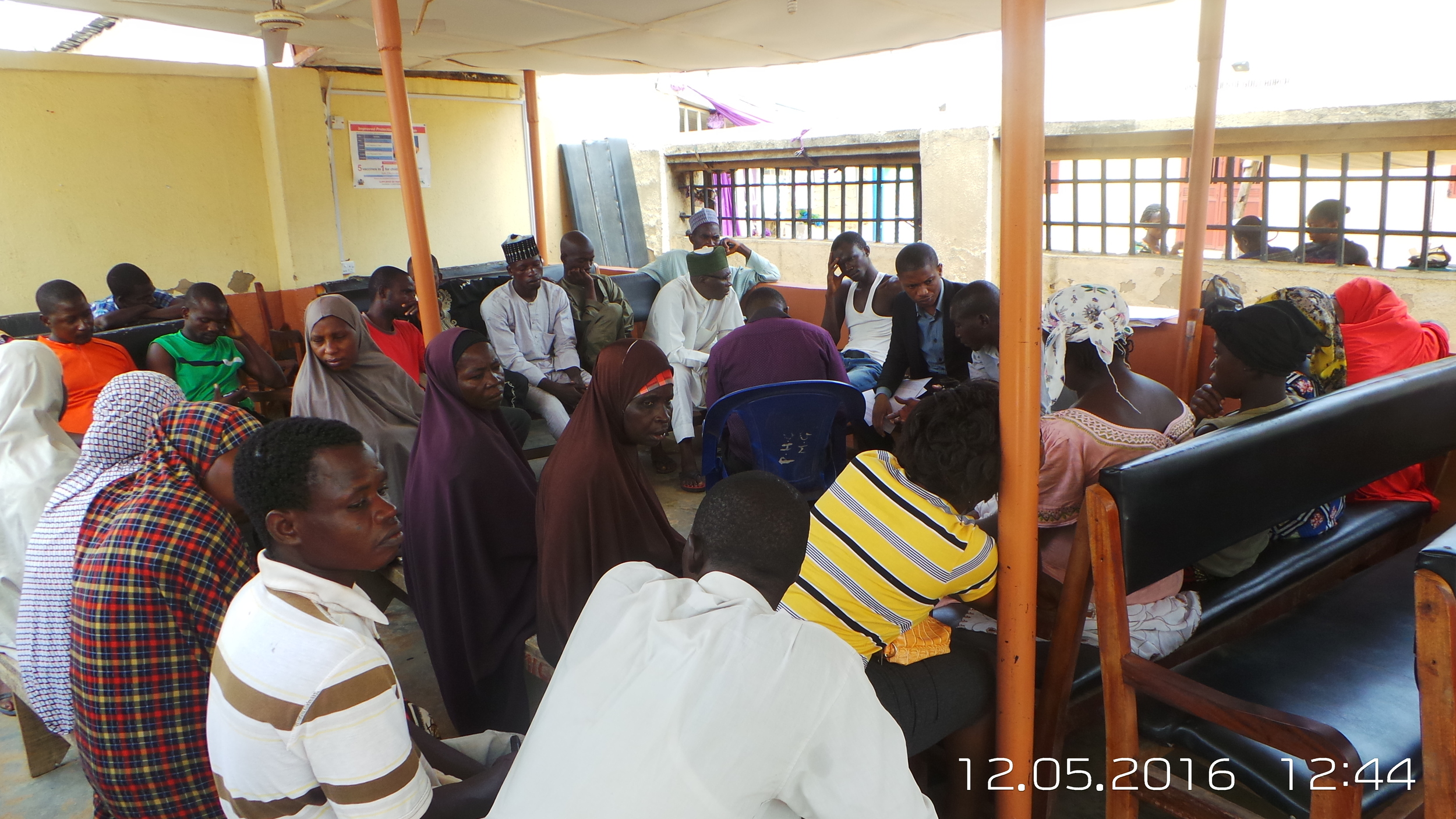
Gede concluded one of these activities through focus group discussions (FDGs) in the two project locations recently.

Participants, including users and carers within Mpape (6) and Mararaba (26), helped in gathering data around questions of health status, treatment, current capacity to work and sources of livelihood. 

From responses received during the FDGs, people are more willing to (or perhaps able to) come out to support cases of epilepsy and drug abuse. As for cases less likely to be manageable in such meeting settings, they were represented by their carers who seem to be genuinely seeking help for them.  Women also seem to be more willing to admit they really have mental health challenges and need help. While substance abuse, especially in Mararaba, seem to be a problem more associated with the young males. Most of the users (and their carers) have sought treatment from the hospitals but usually complement this treatment with traditional and faith based service providers.

Most respondents are unaware of the treatment pathways in Abuja and Nasarawa State and therefore resort in seeking treatment at health facilities far from their homes.


The barriers so far created by stigma and discrimination in seeking healthcare from those with mental illness will be reduced through the engagement of users and carers in discussions at different levels of the project.


Participants expressed appreciation for the opportunity to share their experiences and burdens. They also promised to play their part in making sure that the project succeeds in improving their situation and creating a better community.