Be part of the celebration through this link-
http://lasvegassun.com/news/2016/may/09/may-is-a-reminder-of-the-need-for-mental-health-aw/

Be part of the celebration through this link-
http://lasvegassun.com/news/2016/may/09/may-is-a-reminder-of-the-need-for-mental-health-aw/
Gede Foundation participated and led a technical session on ‘mental illness and young women’ in an event organized by She Leads Africa-a community that helps young African women achieve their professional dreams through workshops and seminars planned across African Countries and in the US.
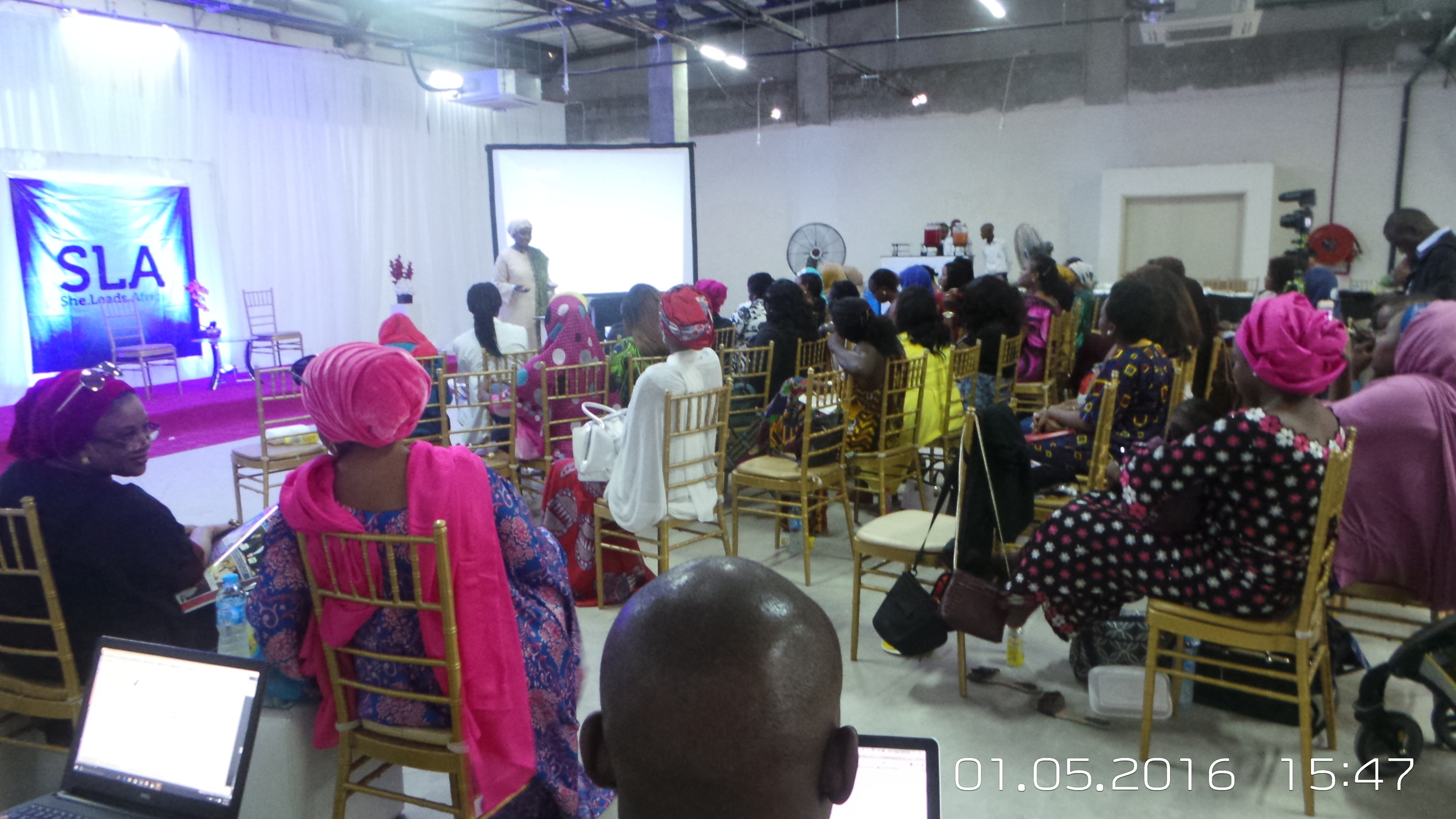
Fifty eight women in their various careers from Nigeria and other Countries participated and learnt a) the part played by gender in mental illness, b) factors affecting mental illness in women, c) post partum mental illnesses, and, d) post natal depression of mild to moderate severity and the symptoms associated with all the conditions.
Dr Hadiza Audu, a Consultant Psychiatrist from Behavorial Medicine Unit in Karu Hospital (a strong supporter of Gede’s mental health initiative) led this technical session with clinical experiences and some documented publications that were shared.

The event, which took place on May 1 2016, at Jabi Lake Mall in Abuja exposed participants to other health challenges faced by young women and ways in which they could be controlled. The next event is scheduled to hold in June in the US.
Young women are predisposed to conditions that can trigger mental illness and this platform will enable them to know the steps to take as they make informed decisions about their lives.
You can learn more about the She Leads African through https://www.facebook.com/sheleadsafrica
Community based mental health is one of the approaches in which low and middle income countries can adopt to eliminate many barriers in the treatment and care forpeople with mental illness and epilepsy.
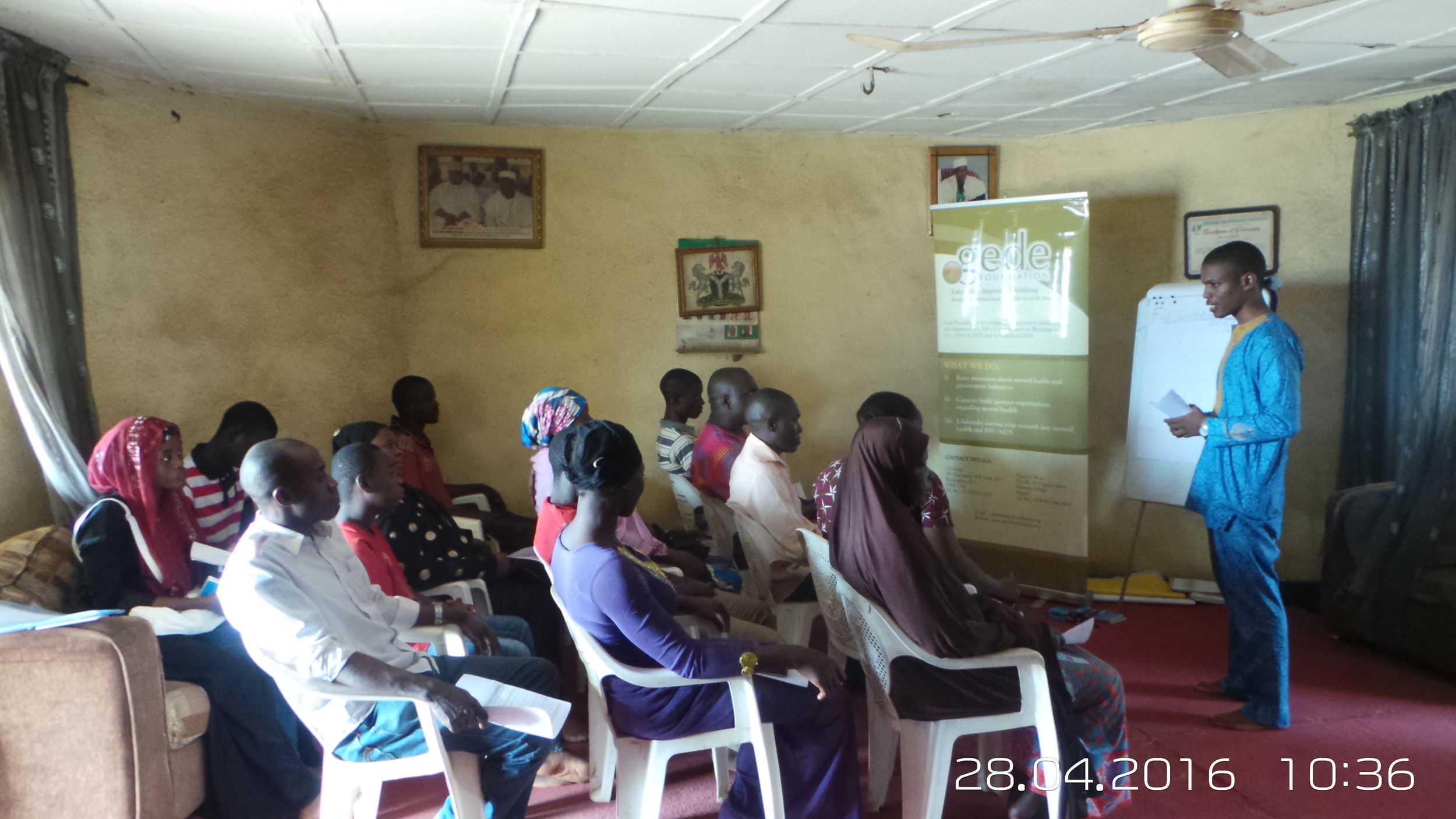
As regular readers will know, Gede is currently a BasicNeeds Franchisee and is implementing a project aimed at supporting communities and families to access quality services for mental health conditions through community mental health with hospital support.
One component in the Model is Field Consultation, which will allow all stakeholders to make contributions within the initial phase of the Project.
Two days of activities took place within this week in Mpape and Mararaba communities. Users, Carers and other Stakeholders in these communities met in different groups to discuss ‘my world’, ‘my needs’ and ‘what next?’ –all of which are controlled sessions to address vital points within the groups.
People suffering from mental illnesses and epilepsy (with their Carers) participated actively in the different sessions.
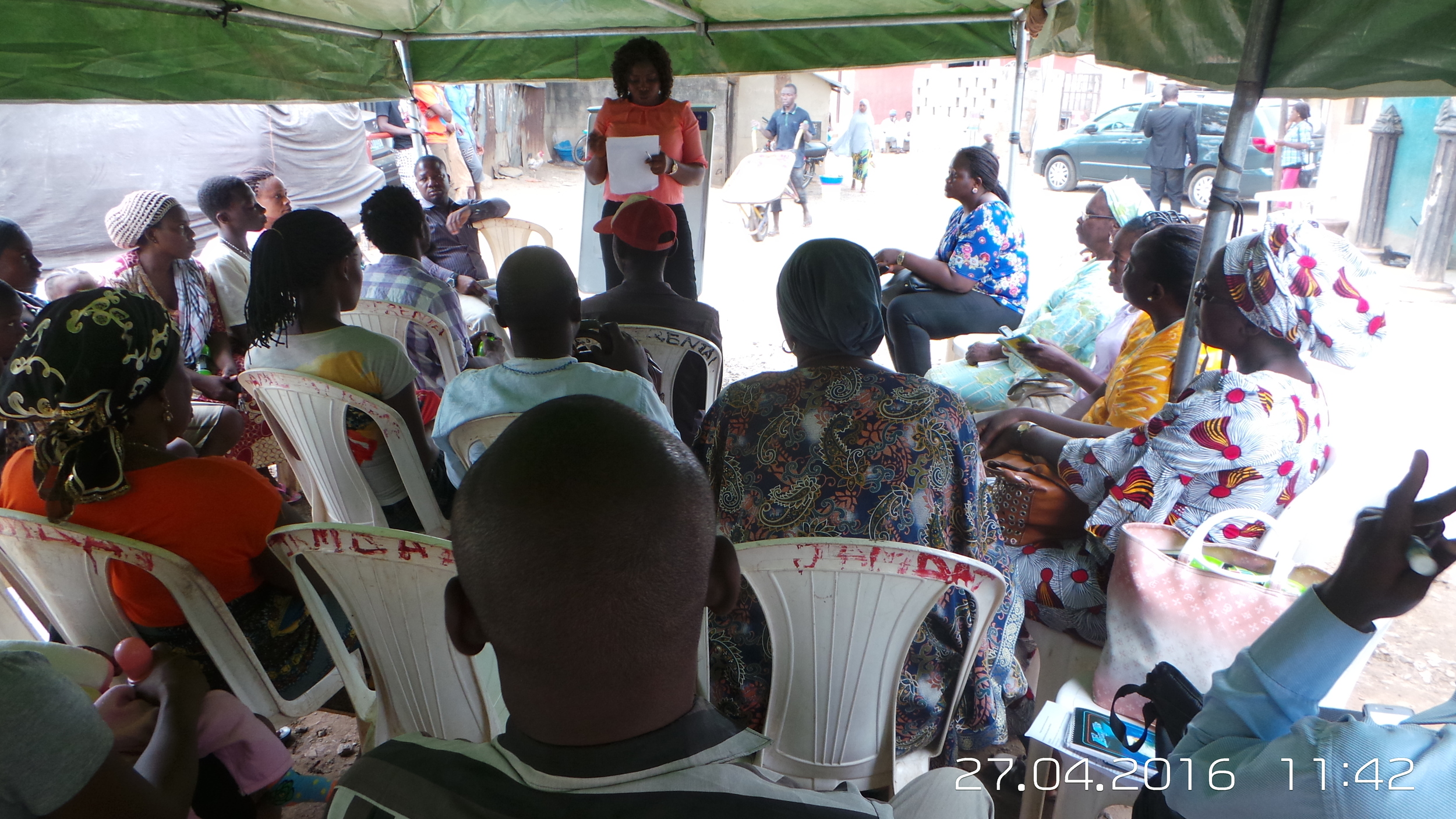
With the enthusiasm that is perceived within the various groups, there is a consensus within participants that the formation of self-help groups will be pivotal in addressing stigma and discrimination that are associated with mental illness and epilepsy.
Watch this space for more update on the Project.
Gede has lent its voice to mhNOW (http://www.mhnow.net/) whose formation was recently announced at the World Bank/WHO mental health meetings in Washington DC. mhNOW is the brainchild of Chris Underhill (Founder of BasicNeeds) and Moltreyee Sinha (based at the Global Development Incubator) and seeks to make a genuine difference to people living with mental illness through –
VISION
All people have access to mental health support, are accepted in their communities, and are able to live fulfilling lives
________________________________________
MISSION
mhNow mobilizes community leaders across sectors to scale up holistic and effective approaches for mental health
Our goal is to create and employ tools on a global level that can be adopted and replicated by local city leaders so that they are able to bring best practices in mental health to their own communities.
________________________________________
GUIDING PRINCIPLES
• Evidence-based solutions to dramatically improve mental health already exist but require proactive promotion
• Community leadership can be mobilized to create the link between vulnerable population and mental health support networks
• Action happens at local level
• Cross-sectoral approaches that integrate economic, socio-cultural and human elements to address root causes and build healthy communities
• Entrepreneurs are the engines for impact and can lead to large-scale sustainable change when connected and supported by the public and private sectors
Gede is delighted to be part of this forward thinking and innovative organisation and is especially excited about the prospect of engaging leaders across the spectrum in order to leverage their capacities for the benefit of those living with mental illness in Nigeria
Gede became a BasicNeeds Franchisee in March 2016 (the first in Nigeria), and will implement a community based mental health development programme that seeks to address stigma and increases access to quality treatment and services for people suffering from mental illness, including epilepsy.

Within the first quarter of this year, a number of preliminary activities have been carried out to ensure effective participation from all stakeholders including the Government of Nigeria.
Recently, 10 Community Based Volunteers within the two selected project locations were trained in Mararaba Health Facility on BasicNeeds’ community based mental health development model.

The two day training allowed participants to understand the 5 modules of the model and how that contributes to the purpose of improving the lives of people with mental illness and epilepsy. Community Volunteers are central in the project and are expected to deliver the necessary support in all community-related activities within the project cycle.
Out of the Shadows: Making Mental Health a Global Development Priority
Plenary Panel Discussion: Mental Health in the Global Development Agenda: Challenges and Options
Suggestions on scale-up of mental health services drew from the example of the HIV campaign, particularly the importance of mental health activists who will knock on the doors of governments persistently, consistently, armed with evidence-based data. For many years, mental health has been like a stepchild, i.e., it is not like HIV, TB, or malaria. It lacks social mobilization and has been very much in the shadows. It has a long way to go, but again, drawing from the example of HIV, who would have thought 20 years ago that HIV treatment and care would be where it is now?
Civil society organizations (CSOs) with innovative, bottoms-up, service delivery programs are more likely to be successful. WHO, investing on the mhGAP, urged international cooperation from all countries, not just high-income countries (HICs). According to ShekharSaxena, “when it comes to mental health, all countries are developing countries.”Vikram Patel predicts that technology will play a big role in the scale up and MuraliDoraiswamy believes that technology can help refine diagnosis, provide video platforms on life skills, and can be done with such organizations as Google, Microsoft, and Adobe.
Dr. Kay Jamison is optimistic about scale up given that the science is going well and so many families are affected by mental illness all over the world. There is still a need to agree on aspects of treatment, mood monitoring, and medication (e.g., non-psychiatrists prescribe antidepressants more than psychiatrists!). Nevertheless, the science is encouraging.
In summary, scaling up access to mental health following HIV-similar funding mechanisms means:
· CSOs (and certainly people who suffer from mental illness) must push for access through the rights-based approach through evidence-based research. Currently, successes in mental health care are private while failures are public. It is time for successes and lessons learned from failures to be made public.
· More effort should be placed on prevention at the community level. Mental health must be integrated with poverty alleviation programs.
· Civil society organizations, individuals, governments, international organizations—not only the World Bank or WHO—have the responsibility to advocate for access to mental health care.
Why is access to mental health so important? What role does technology play in scaling up access? What will be the way forward for mental health now that the World Bank’s spotlight is focused on mental health?
I will share more insights in my future blogs.
Dr. Cynthia J. Ticao: Performance Director, Research & Advocacy
Out of the Shadows: Making Mental Health a Global Development Priority
Opening Session and Plenary Panel Discussion: Mental Health in the Global Development Agenda: Challenges and Options
At the Opening Session on Day 2, everyone agreed about how great and historic the first day was – the first discussion ever on mental health at the World Bank headquarters! The morning started with a cool virtual reality documentary about ‘Francis’ whose life as a teacher was disrupted by mental illness, but was later rehabilitated after he was referred for treatment by a friend. As all participants were reminded by a number of panelists and by Dr. Margaret Chan on Day 1, behind the data are real people, so did this film.
And so did the keynote speaker, Patrick Kennedy, former member of the US House of Congress,and lead sponsor of the Mental Health Parity and Addiction Equity Act of 2008. Diagnosed with bipolar disorder and having struggled with alcohol addiction, he pushed to ‘make the scope of mental health coverage the same as all the rest of physical health care coverage’ in America.
Nine panel members discussed the challenges and options to including mental health in the global development agenda:
· Vikram Patel (co-founder of Sangath and co-director of the Centre for Global Mental Health) believes integration can be done through a collaborative model of care;
· Lawrence Gostin( O’Neill Chair in Global Health Law at Georgetown University) asked why we have done so well with HIV and done so miserably with mental health;
· ShekharSaxena (WHO Director, Mental Health and Substance Abuse) echoed the same concern for the inclusion of mental health care and its role in disasters;
· Kay Jamison (Dalio Family Professor in Mood Disorders and Professor of Psychiatry, Johns Hopkins University School of Medicine) emphasized the need for people who get well not to keep quiet because society does not see people who respond well—they only see those who do not do well and the importance of studying non-adherence to medication, particularly in young people;
· MuraliDoraiswamy (Professor of Psychiatry and Behavioral Sciences, Duke University and Chair of the World Economic Forum’s Global Agenda Council for Brain Research) pointed to three areas that need to be address—resilience in children, rehabilitation, and research involving public/private partnerships to understand illness and resilience;
· AryehNeier (President Emeritus, Open Society Foundation) echoed the suggestion of others on Day 1 to use the rights-based approach in mental illness and disability;
· AkmalTaher (Special Advisor, Ministry of Health of Indonesia) shared funding and stigma challenges in Indonesia;
· Francesca Colombo (Head, OECD Health Division) underscored the problems of costs and treatment gaps, and espoused the importance of prevention and early intervention.
· Phillip Campbell (Discussion Moderator and Editor-in-Chief of Nature) reemphasized the point raised by Dr. Margaret Chan at the high-level meeting on Day 1, i.e., teachers and parents have an important role to play in prevention and early detection. Many innovative strategies are being tested globally. He asked the question, “How can we scale up?”
Follow my next blog!
Dr. Cynthia J. Ticao: Performance Director, Research & Advocacy
Gede's Managing Director has written about the importance of culturally validating mental health tools for Orphans and Vulnerable Children. Check out his article at this link