GEDE at the World Bank Group /World Health Organization Meetings- April 13-14, 2016, Washington DC, USA

A historic event in mental health took place today. WBG and WHO are ‘co-hosting a high-level event to bring mental health from the periphery to the center of the global development agenda.’ For participants who have, for many decades, worked towards access to mental health care, particularly for the poor and marginalized sectors of society, this occasion was a dream come true.
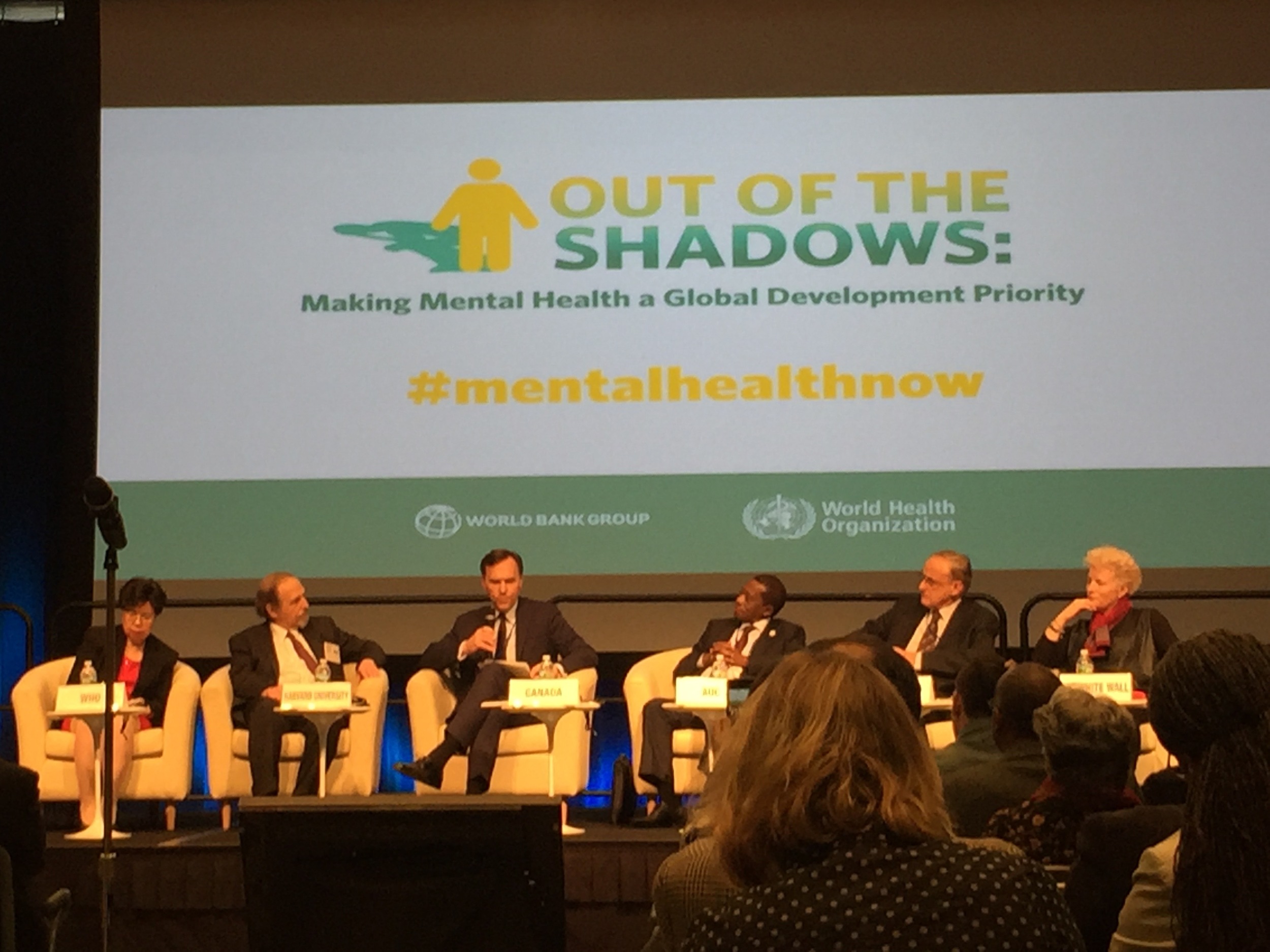
Why would WBG be interested in mental health, one wonders. Poverty reduction, one of WBG’s mandates, will be difficult to achieve without mental wellness. The Bank is challenged by the fact that many government leaders turn a blind eye to mental health issues because of the stigma attached to it. But, WBG can now argue that based on the most recent volume of the Disease Control Priorities (DCP3) published and launched at the event today, “investing in treatment for depression and anxiety leads to a fourfold return.”

The Innovations Fair showcased promisingtreatment pathways that addressed common and severe mental disorders within the cultural contexts of the countries where they were conducted.Representatives from leading organizations, such as BasicNeeds, The Friendship Bench, MANAS, University of Ibadan/EMERALD Project, StrongMinds, Thinking Healthy, shared not only the creative ways that they have addressed mental health problems, but also their passion and their enthusiasm to find ways to improve people’s mental health.


At the high-level opening session Dr. Jim Yong Kim, WBG President, delivering the keynote statement, announced his commitment for the integration of mental health into the primary health care system; Dr. Margaret Chan (WHO Director-General) emphasized that inclusion of people with mental illness in the communities, Dr. Arthur Kleinman (Harvard University) emphasized that current evidence shows mental illness to be treatable, important, and cost effective; William Morneau (Canada’s Finance Minister) shared his country’s emphasis on workplace standards; Mustapha Kaloko (African Union Commissioner) enumerated the challenges faced by African countries; Alan Bollard (Asia Pacific Economic Cooperation/APEC Executive Director) shared best practices from countries like Peru; and Jen Hyatt strongly recommended the use of technology in mental health.

I am very fortunate to have attended today’s events, to share (and to be inspired by) the enthusiasm and the passion of fellow researchers and advocates who continue to bring light into the lives of people who live under the shadow of mental illness.

Watch out for more blogs about the meetings!

 - Dr. Cynthia J. Ticao – Performance Director, Research & Advocacy -
 

THE WORK BEGINS

The two-year Project (March 2016­ – December 2017) between Gede Foundation and BasicNeeds is designed to scale-up community based mental health and development services for people with mental illness and epilepsy in the Federal Capital Territory and Nasarawa State. The Project seeks to improve the wellbeing of 1000 people with mental illness and epilepsy along with 800 of their carers. The Project targets both the general population and those living and affected by HIV-AIDS.

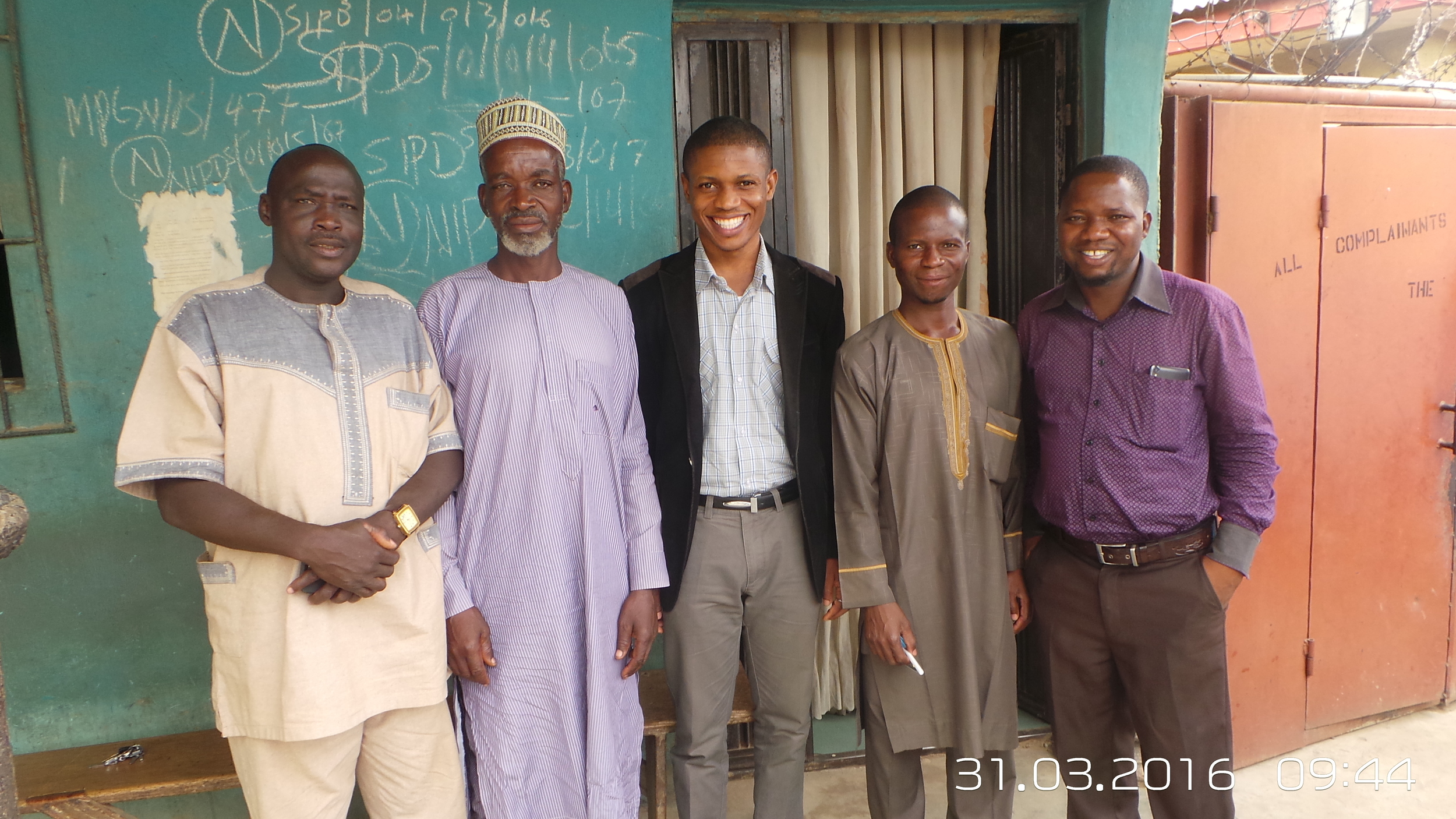
To ensure that the communities selected are the most appropriate, a simple yet rigorous selection strategy was developed and used in order to gather the necessary preliminary information. Communities such as Kabusa, Shereti, Durumi, Mpape and Mararaba were selected based on population size, socioeconomic profile, estimated mental health burden and the status of the mental health management systems within the prospective communities. The community entry finally led to the selection of two communities, namely: (1) Mpape (Bwari Area Council in the Federal Capital Territory) with an estimated population of over 500,000 people, and, (2) Mararaba (Karu Local Government Area in Nasarawa State) with an estimated population of over 200,000 people.

The next phase will be to capacity build Community Volunteers, Community Health Workers and other relevant stakeholders in these locations on their roles in the project.

Kindly visit this page for regular information on the Project.


Civil Society Organizations on Mental Health Meet at Gede

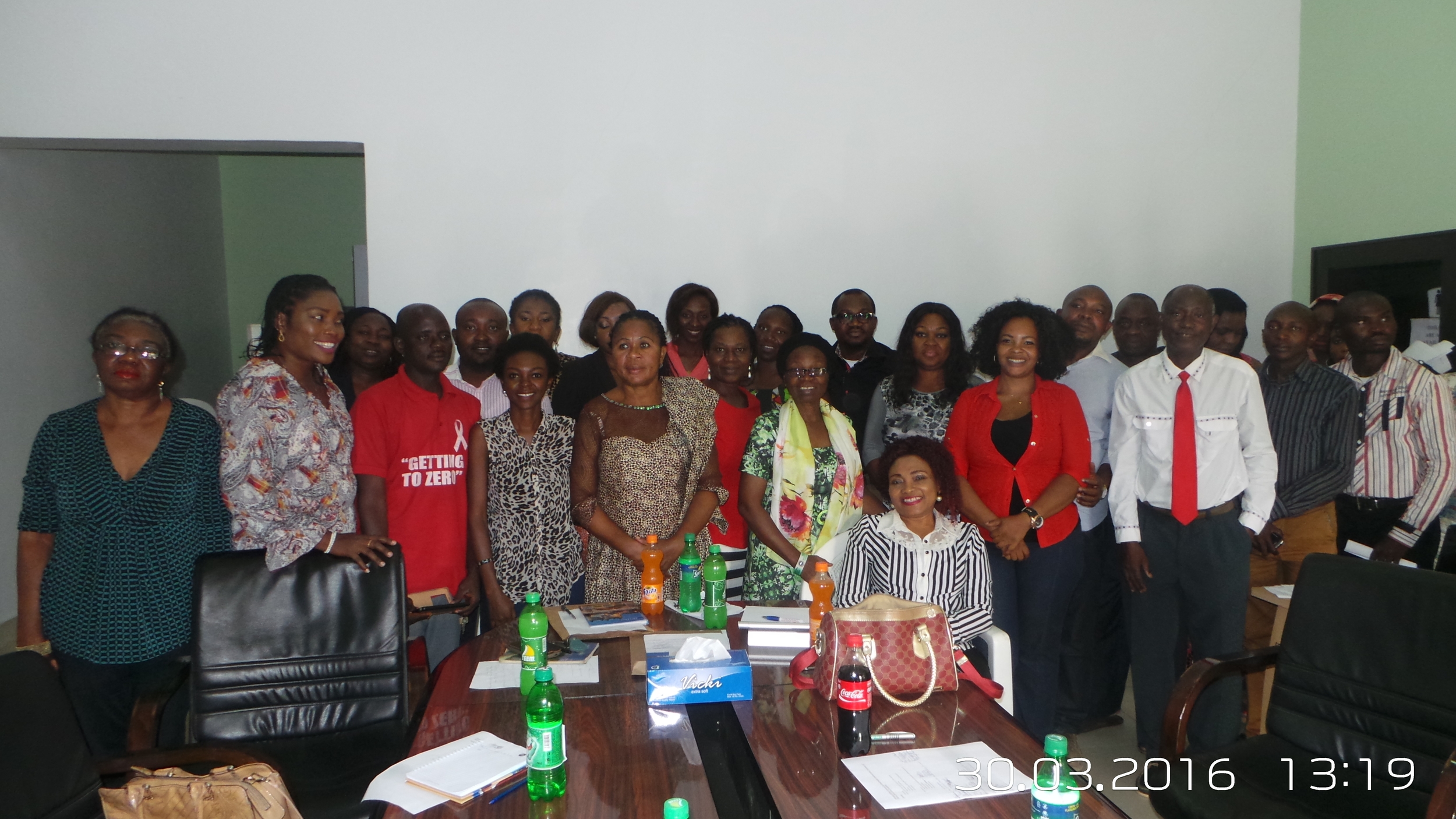
A group of major Civil Society Organisations whose focus is on mental health met under the umbrella of Global Awareness on Mental Health Associationon March 29, 2016 to draw up plan of activities for the year. Members were nominated into Executive positions, which will see the Coalition run its affairs. The various positions will allow the Coalition to be more focused in achieving its advocacy goals which include having a ‘voice’ and promoting the rights for those with mental illness.

“We are glad to see thelegal framework   andExecutive positionsput in place, so we are set to work and move theCoalition forward ’-says Emmanuel Osemeka, National Coordinator, Social Welfare Network Initiative.

The Coalition was formed with the support from Gede Foundation through its regular Mental Health Dialogue Programme. With over 54 membership strength, mainstreaming mental health into various health needs, as well as advocacy will stand a better chance through this platform.


Mental Health and Mental Illnesses-The Affliction of the Fragmented Mind.


Many communities believe there is a clear dissimilarity among mental illness and psychological health but awfully often the dissimilarities are misinterpreted. Mental illness refers to adjustments in thinking, behaviors or emotions that create suffering and impaired functioning for the person concerned. Mental illness is frequently a consequence of biological changes in the brain. We can determine psychological health by more than the absence of mental illness, however, if an individual is not depressed, and does not have hallucinations or delusions they are probably not mentally ill, but that does not mean they are unavoidably psychologically healthy.

Mental health and mental illnesses are progressively being used as if they mean the same thing-but they are not the same. Everybody has mental health; the same way as each person has health. As the World health Organisation has said “There is no health without mental health.” During a lifetime, not everyone will experience a mental illness, but everybody will have challenges to their mental welfare. Mental health therefore refers to our cognitive and emotional welfare, that’s how we think, feel and behave.

Paranoia hallucinations, emotional withdraw. For a mental illness victim everyday life is a strange and terrifying journey. The symptoms represent what we know best about the illness- but what we don’t know is the reason why the symptoms have manifested themselves. Understanding the variation is significant since some people may think their distress is a result of a mental illness, which maybe a psychological health problem. Mental health illness affects both young men and woman and hassentmany of them into the state of endless mental agony. Mental illness is the affliction of the fragmented mind and wellbeing of our mental health. I always labeled it as the destroyer of a human spirit.

Written by

Obi Chukwuemeka Innocent PhD. Cand. RP.

UNICEM’S OVC PROGRAMME-STAKEHOLDERS’ REVIEW MEETING

Gede’s partnership with the United Cement Company Ltd (UNICEM) in Cross River State to support Orphans and Vulnerable Children in 10 rural communities started in 2013. Every year, the scholarship support programme is reviewed to add value to the services provided.

This year’s meeting aimed ataddressingissues that matter most in the secondary school scholarship programme such as achievements, performance, challenges, new ideas for effectiveness and a plan for 2016/2017 academic session.

The meeting had over 100 participants including School Principals, Teachers, Students, Community Trust Committee Members, Special Assistance to the Governor on Corporate Social Responsibility, Representative from the Ministry of Education, UNICEM and Gede’s Zonal Representative. 


IMG_20160323_111102.jpg

The Plant Manager, Mr. Therry Teriere in his speech welcomed all participants into the meeting and stressed the need for beneficiaries to take advantage of this support to lay foundations for a productive life.

 A detailed presentation showing the performance index of students (covering academic sessions of 2014 and 2015), health outreach activities carried at community schools, challenges in the project and recommendations for project efficiency was presented by Gede Foundation.  The meeting ended with a plan of action for 2016/2017 which included expanding the support package to cover community-youth-empowerment programmes,  infrastructural support to community schools and more engagement  with School Authorities for sustainability.


Project Close-Out Meeting with Zonal Representative

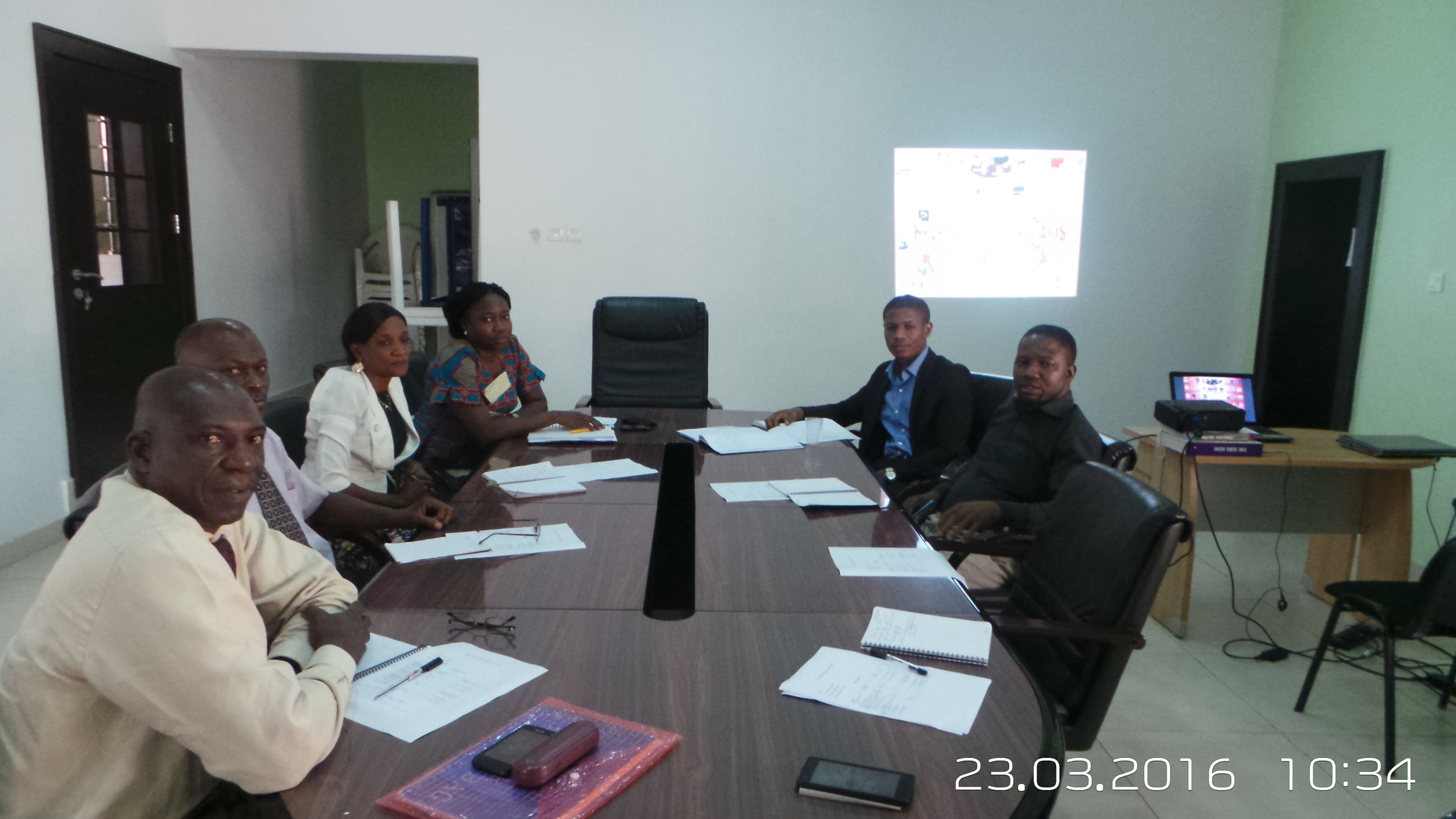
Today, March 23, 2016, Gede Foundation’s team held an end-of-project meeting with its South-West Zonal Representative.  The meeting was a bitter-sweet event as it was a mixture of a sense of accomplishment due to HAF-2 project completion whichreached 4,092 adults in two local government areas of Oyo state with   minimum prevention package intervention for HIV-AIDS(MPPI)  and nostalgia as our Zonal Representative temporarily leaves Gede’s employment domain. 


During the meeting, a general review of the project was conducted, lessons learned were discussed and recorded and necessary transition and handing-over process was observed.  It was also an opportunity for the team to go down memory lane when the zonal office was first opened in 2010.  After almost 6 years of continuous operation in the SW and a lot of lessons learned from OVC and HIV-AIDS prevention projects, Gede will be temporarily closing its doors in the zone only to pave way to another project that will bring stigmatized and underserved health burdens out of the shadows. 


As the old cliché says, “every end translates to a new beginning”. 


Gede and BasicNeeds Ghana

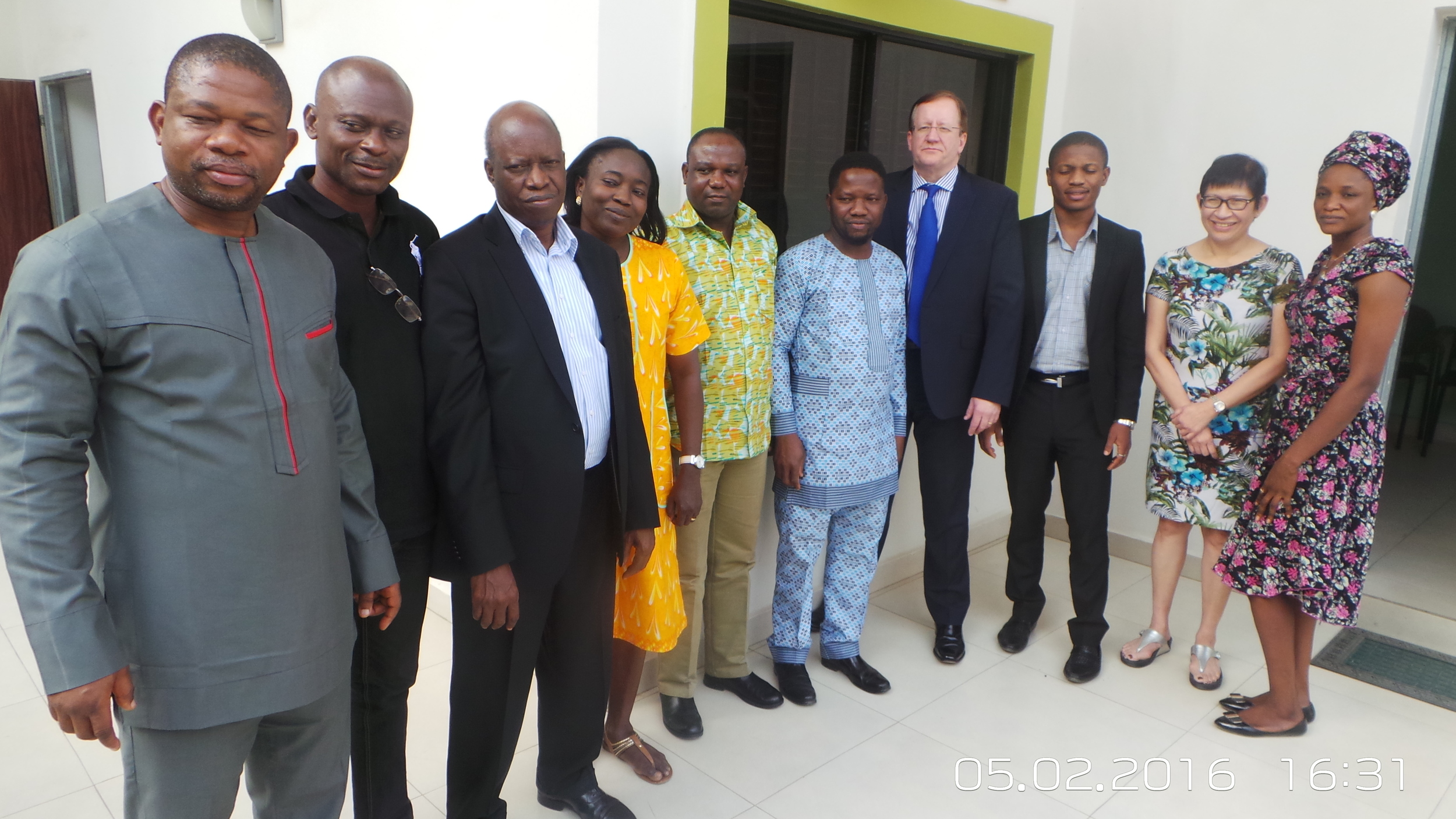
No one organization can claim to have impacted enough to the lives and wellbeing of the ‘vulnerable’ populations. Indeed, this explains why Gede Foundation hosted Peter Yaro from BasicNeeds Ghana in Abuja within the week of 1-5 February 2016 to share experiences on their programmes, and promote more opportunities for possible future collaboration.

In addition to other engagements within the visit, Peter was able to meet with Gede’s Team Members including the Board Members, Communities and a Behavioural Medicine Healthcare Facility.

The common area of interest revolved around mental health, in which, the two organizations are seeking ways to expand within the West African sub-region.

In visiting Mpape and Dutse communities (where most of Gede’s beneficiaries reside), Peter noted the overwhelming similarities that exist between the two countries which include communal coexistent and the central role played by community gatekeepers in sustaining viable initiatives. This community setting is a pointer to the possibility replication of Ghana’s BasicNeeds’ mental health care model in Nigeria’s communities

Gede Foundation joins as BasicNeeds’ first franchisee in Nigeria


Gede is delighted to report that the Foundation has joined BasicNeeds as its first social franchisee in Nigeria. The project is supported by Grand Challenges Canada (funded by the Government of Canada) and is aimed at scaling-up community based mental health care and support in East and West Africa. Through the project, Gede will reach 1800 people living with mental illness and epilepsy in Abuja over a two year period.

 John Minto, Managing Director of Gede remarks, “the Foundation supports the Government of Nigeria’s

approach to mental illness which is based on a holistic understanding of the roles which community based diagnosis, treatment and livelihoods play. Through the BasicNeeds Model, Gede will help clients to return to a normal life, which includes being productive members of both their families and communities. The partnership also represents an important learning opportunity for Gede which seeks to lead in the area of mental health advocacy in Nigeria”.
To keep in touch with the project’s progress please return regularly to www.gedefoundation.org and www.basicneeds.org


Board of Directors’ Meeting- Gede Foundation

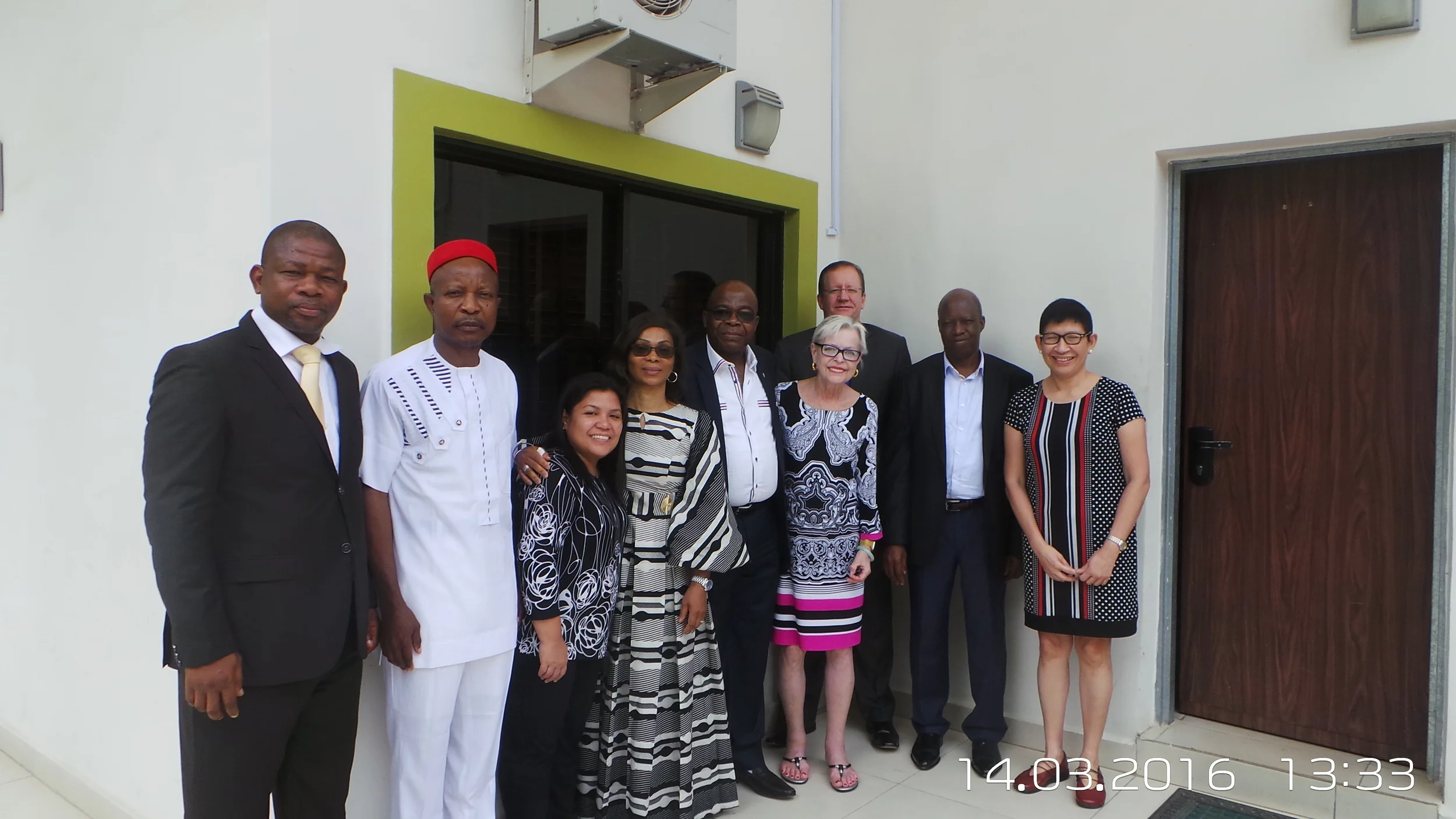
Gede’s Board of Directors met on March 14, 2016 in order to discuss the strategic direction of the Foundation, as well as to perform the oversight function required of them. At the meeting, senior Managers presented an overview of the Foundation’s 2015 programme, as well as a summary of current activities and the direction which Gede seeks to grow in the future. As always, the Foundation’s supportive Board offered technical advice and encouragement in equal measure.

Gede’s Board is complemented by several subcommittee meetings which are held regularly through the year, both face-to-face and virtually due to the engagement of ICT; Gede is able to continue with its operations while securing appropriate oversight from the most senior figures in the Foundation.

In 2016, the focus of almost all discussions was on the projects currently being designed and delivered which will help to secure for Gede a growing reputation for impact, innovation and influence. The Board meeting was followed by a visit to the Behavioural Medicine Unit of Karu Hospital, where patients with mental illnesses are managed.


Recognize your stressors and use them to your advantage!

It’s bad enough that people are suffering from stigma associated with mental illnesses and burdens such as stress, but recent research indicates that one can also benefit from the ‘good’ side of it.

With adequate knowledge and good training, one can actually exploit stress in the workplace for ‘positive’ gains rather than ‘managing’ it. Gede’s workplace programme exposes participants to ways in which they can explore the perceived dangers of stress and turn them to their advantage.

Stress, when harnessed properly, can have numerous benefits for the body and mind. But in order to use stress to our advantage, it's important first to understand what exactly causes it and, if everyone tells us to avoid it, then how can it actually help us?

To this point, Gede approaches stress as a survival tool – something which we can all use to our advantage when we address it head-on. Think about some stressful situations that we consciously put ourselves in to make life more interesting and enjoyable- some people appear at their ‘best’ when deadline approaches fast and near!!

So while we may not be the first generation to have faced this amount of stress, we may be the first with the knowledge to turn what has always been considered a negative, into a true positive outcome.

Book your place on Gede’s Managing Stress in the Workplace Programme and feel the difference!!