SUSTAINABLE DEVELOPMENT GOALS - MENTAL HEALTH 'MAKES IT'

As many readers of Gede blogs will have seen, last week, the United Nations adopted what have been called ‘the new millennium development goals’ – the Sustainable Development Goals (SDGs). While some commentators have questioned the sheer range of the Goals themselves (SDGs are certainly ambitious with 17 new goals and 169 targets which will help to define ‘development’ from 2015 to 2030), the fact that they now include mental health is being seen as a significant step forward on many different levels.

SDGs include mental health in the following ways –

Paragraph 7 – “We envisage a world…with equitable and universal access to quality education at all levels, to health care and social protection, where physical, mental and social well-being are assured”,

Paragraph 26 – “To promote physical and mental health and well-being, and to extend life expectancy for all, we must achieve universal health coverage and access to quality health care. We are committed to the prevention and treatment of non communicable diseases, including behavioural, developmental and neurological disorders, which constitute a major challenge for sustainable development”,

Mental health is also included in Goals 3.4, 3.5, 3.8 –

Goal 3.4 – “By 2030, reduce by one third premature mortality from non-communicable diseases through prevention and treatment and promote mental health and well-being”,

Goal 3.5 – “Strengthen the prevention and treatment of substance abuse, including narcotic drug abuse and harmful use of alcohol”, 

Goal 3.8 – “Achieve universal health coverage, including financial risk protection, access to quality essential health-care services and access to safe, effective, quality and affordable essential medicines and vaccines for all.”


As many commentators have noted, this agenda implies the inclusion of mental health within universal health coverage, a development very much in line with the advocacy positions adopted by organisations such as WHO. 

The inclusion of mental health into internationally agreed development targets represents a significant victory for those organisations (including Gede) which added their voices to the chorus that became deafening in the lead up to the UN meeting last week. Now, however, the real challenge must be faced – how can mental health be integrated into existing health platforms in low and middle income settings in particular? This is already the cutting edge focus of the Foundation’s work which will give us an increasing important voice in the years to come as more and more underserved and stigmatised health burdens (many of which are non communicable) come ‘out of the shadows’.


GEDE’S PREVALENCE STUDY-ROUNDING UP WITH DATA COLLECTION

Gede’s current prevalence survey on depression, alcohol abuse and suicidality among a sample of 1200 people living with HIV-AIDS in 3 district hospitals in FCT is gradually coming to the end of data collection.

Actual data collection started in June 15 2015 (and seemed then to be endless and overwhelming as this was Gede's first such Study) and is now coming close to the end of data collection as a field exercise. Although, a lot of challenges were faced and addressed during the field activities, the quality of data collected has been maintained by the various checks put in place through proper supervision, especially from the Project Director-Dr Cynthia Ticao.

As we are one week away to the end of data collection, Gede is excited and would like to thank the interviewers, site coordinators, partners including the Institute for Human Virology in Nigeria(IHVN) and more importantly, our dear respondents for sharing this initiative with Gede and going through some inconveniences to ensure that the project succeeds.

We are excited to have reached 1067 as at today and hope to meet our target within the space of one week from now.

A million thanks for all that are directly and indirectly involved and we hope to share the reports to relevant stakeholders with the sole aim of making positive contributions to treatment and care for those living with HIV-AIDS.

Watch this space for further updates on the study


GEDE and SUMMER SCHOOL, LONDON

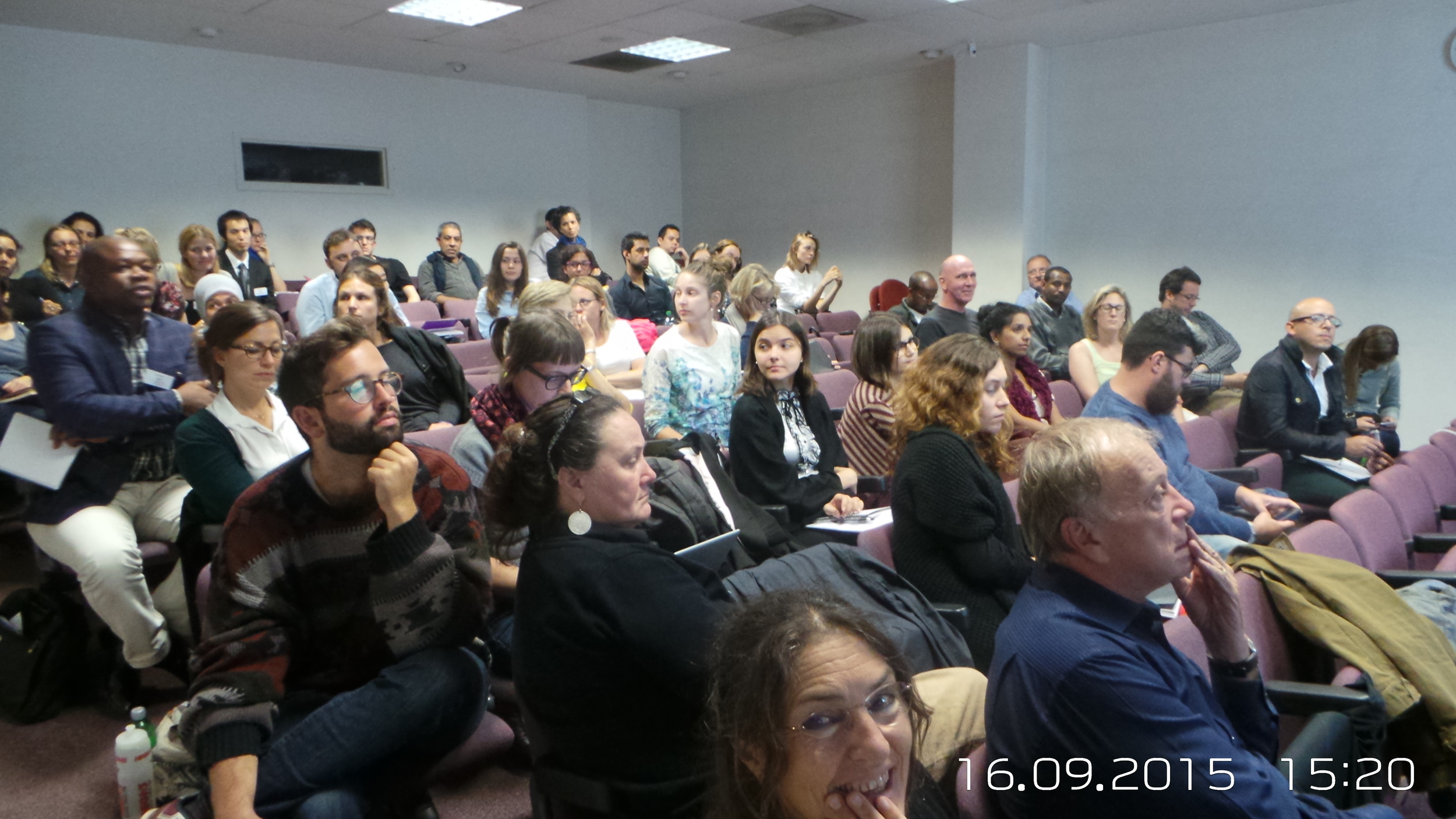
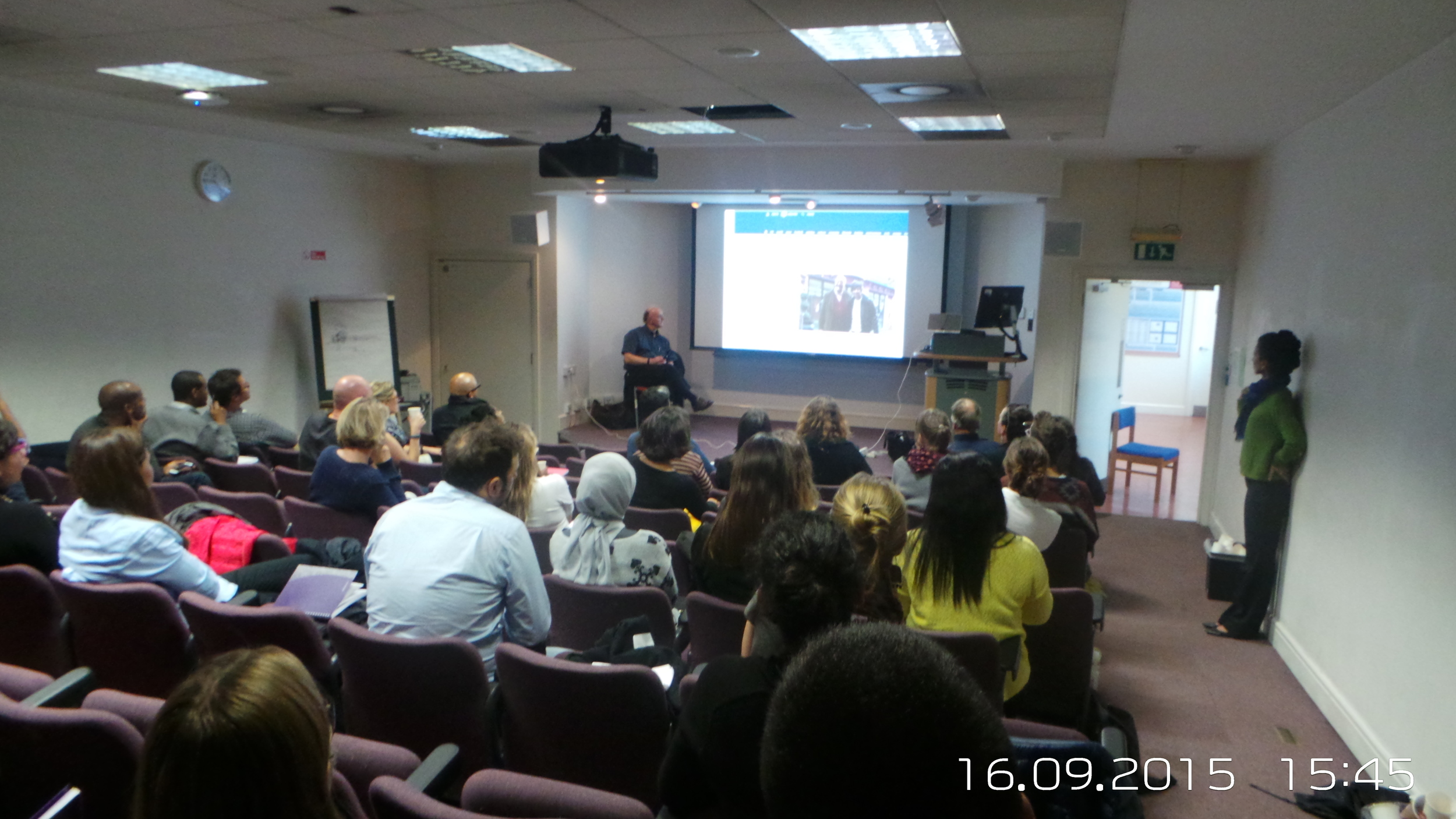
Gede is participating in 2015 Summer School short courses at King’s College, London. This programme is organised every year by the Global Mental Health (Research and Action), in order to share global best practises, especially, on researches and ways in which they are linked to evidence-based interventions. Different research findings and methodologies are delivered through a range of topics by renowned global Mental Health experts which allowed participants to appreciate the interface between research and programme implementation.

 Gede, through this participation, is enhancing its knowledge-based potentials regarding its current programmes on Mental Health in Nigeria and strengthening   partnership opportunities between King’s College and other possible collaborators.

GEDE and VOICE GHANA-DAY II

The meeting between VOICE GHANA and GEDE FOUNDATION entered the second day with more in-depth interactions about the technicalities adopted by Voice Ghana in implementing the Basic Needs model for people living with disability in Ghana.

The technical sessions included practical questions which helped to analyze the realities of the model, especially as it relates to the formation of self-help groups, programme activities, monitoring and evaluation, funding opportunities and an overall sustainability plan. There was a general feeling throughout the meeting that Gede’s engagement of the Basic Needs approach would have significant potential to benefit those living with mental health challenges throughout Nigeria in the long run.

Through this blog, Gede would like to thank our friends at Voice Ghana and Basic Needs for facilitating the visit of Mr Charles Nyante who, over the two days, provided the Foundation with a significant insight into ways in which the basic Needs model works for the benefit of those living with mental health challenges in Ghana. Watch this space for further developments between Gede, Basic Needs and Voice Ghana.

Mental Health and Poverty

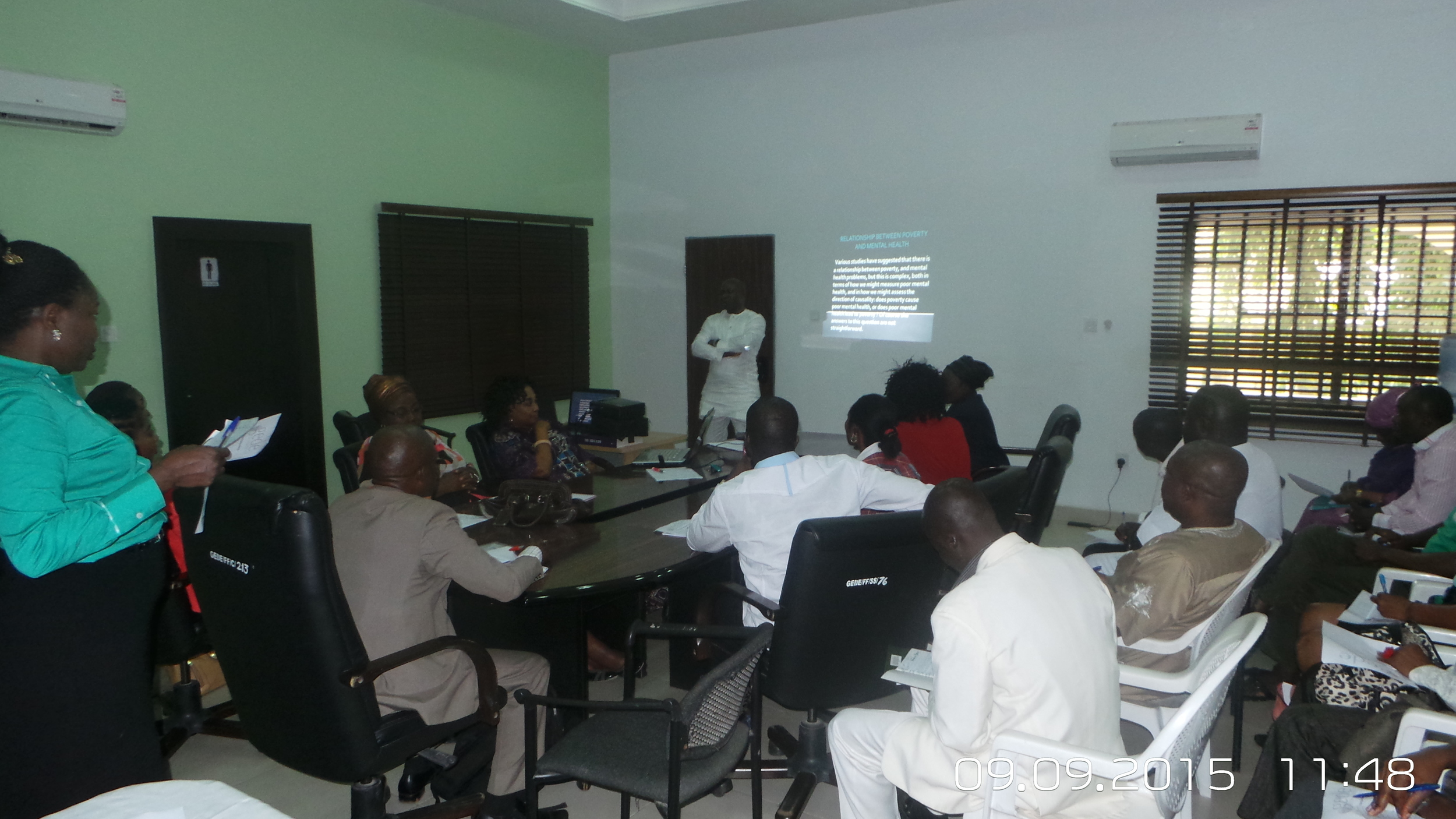
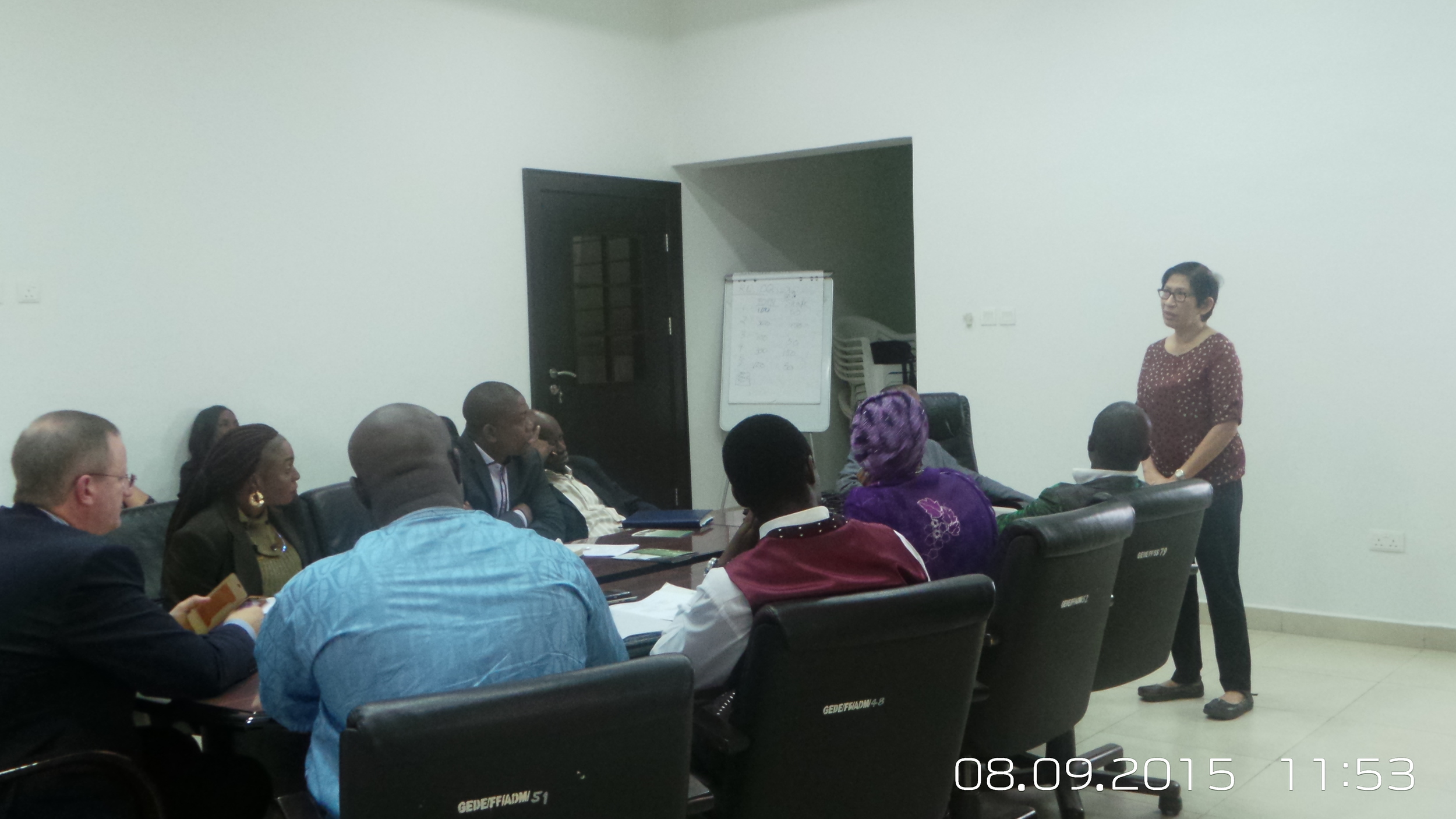
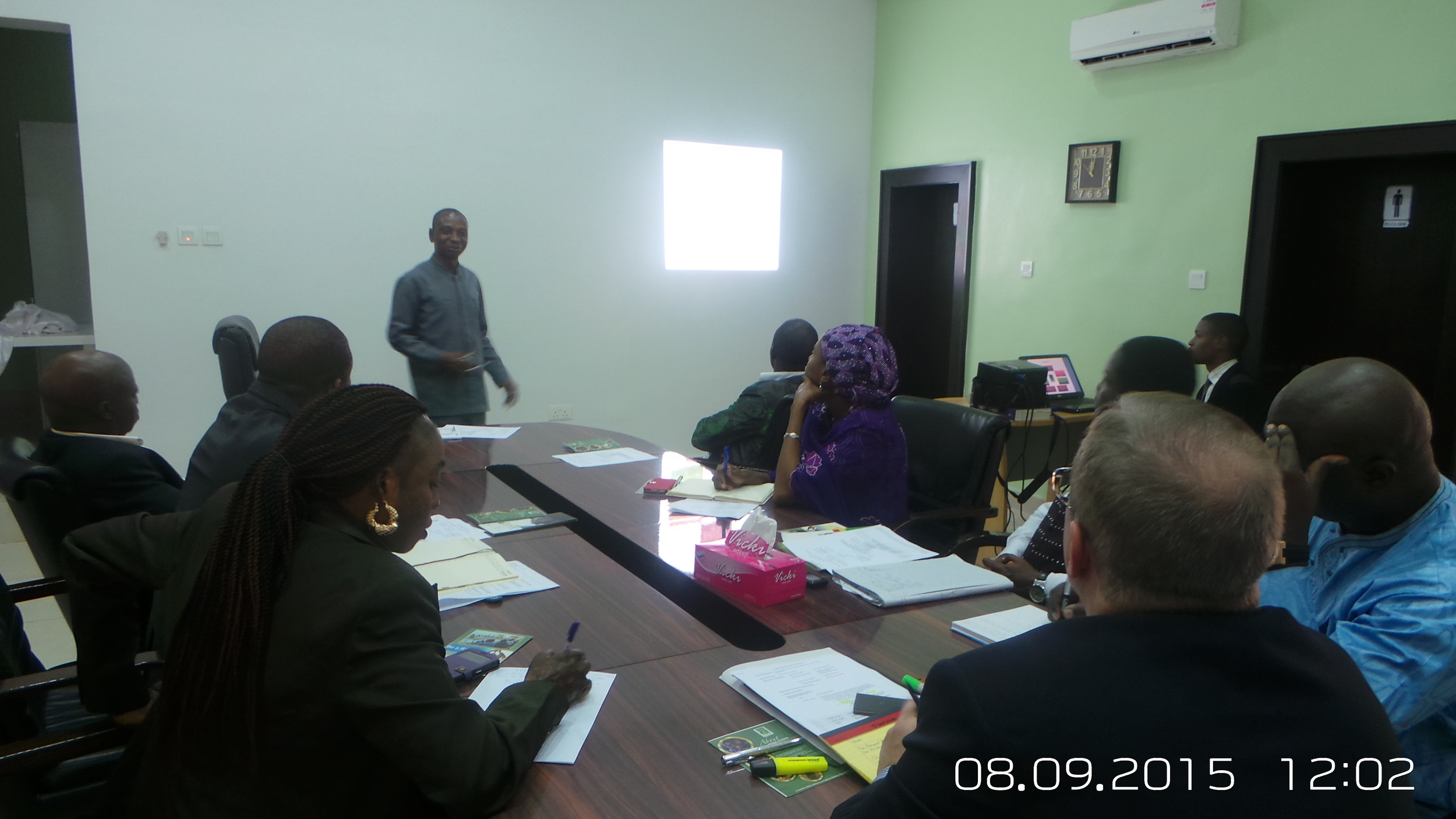
Benjamin Alutoho of Poverty and Associated Maladies Initiative (PAMAI) was quite innovative in his presentation at Gede Foundation Mental Health Dialogue of 9th September, 2015, when he asked participants to pair up and ask each other the questions – does poverty cause poor mental health?, and, does poor mental health lead to poverty. There was quite a buzz in the once quiet room as each partner in the pair was eager to express his/ her opinion about each question.

The consensus submission was that poor mental health can lead to poverty and vice versa. Thereafter, Benjamin went further to shock participants by stating that mental health is a ‘luxury item’ for poor people and developing countries. He explained this by saying that governments, donor agencies, international health bodies all have a way of focusing their attention on seeming common illnesses and pay very little or no attention to mental health which probably is the framework for a number of these other illnesses. The dialogue regrettably came to an end but participants at the session were glad they could well identify the relationship between mental health and poverty. The next session takes place on Wednesday, 30th September, 2015. Email Mr Godwin Etim on godwin@gedefoundation.org to make a reservation.


GEDE and VOICE GHANA

Today, Gede played host to a representative of VOICE GHANA (www.voiceghana.org) in the person of Mr Charles Nyanta. The two organizations are exploring the potential to share possible and workable community-based mental health interventions   that would be feasible for the West African sub-regions (Nigeria and Ghana). In attendance were staff from National Agency for the Control of AIDS(NACA),Network of People Living With HIV-AIDS in Nigeria(NEPWHAN) and the Organization for Positive Productivity( OPP).Voice Ghana, currently operating under theBasic Needsfranchise is adopting a community-based models focused on self-help support groups led by people with disabilities themselves.

At the end of the first day, participants are beginning to see where this might lead to in terms of cross-country comparison studies of the model, and as a tool for advocacy into a national buy-in for people with disability.

Watch this space for more information on GEDE-VOICE GHANA initiative


Interview with the FOUNDER- Jennifer Douglas Abubakar PhD

We sat down with Jennifer Douglas Abubakar, the founder of Gede Foundation and wife of Nigeria’s former Vice President, Atiku Abubakar, for an extended interview on her philanthropic work with Gede Foundation.

What’s philanthropy to you? How would you define it?

Philanthropy is helping the less privileged through a worthy cause by devoting time, resources or advocate for a good cause that would benefit the society. In general, contributing to a greater good for the benefit of human kind.

Why did you set up the Gede Foundation?

Gede Foundation began in 2002 as one of the pioneer non-governmental organizations to cater to under-served and highly stigmatized populations. Part of our fundamental objective when we started was to provide a one-stop shop for high quality treatment and care in HIV/AIDS, training, advocacy and research.

In addition to serving those infected with HIV, I would like to add that one of Gede’s accomplishments is seeing that over 5,000 orphans and vulnerable children in Nigeria got back into schools, while others learnt marketable skills as a foundation to productive lives. Without Gede and our vision for orphans in the beginning, the likes of World Bank, Federal Ministry of Women Affairs, USAID (SIDHAS), UNICEM and Addax Petroleum Foundation wouldn’t have been confident to invest huge amount into OVC programmes using Gede as grants recipient.

Today, Gede’s drive to be constantly at the cutting edge of under-served and highly stigmatized health burdens, has recently seen the Foundation embrace and address growing concerns over mental health and its general impact not only with people living with HIV/AIDS, but the general population at large.

What difference would you say the foundation has made? What have its biggest accomplishments been, in your opinion?

We often hear people say that Gede Foundation was a trailblazer in the area of HIV Treatment and Care delivery in the country for the past decade. To some extent I think we have set high quality standards to which clients always refer to, in terms of access to confidential and personalized HIV management. For me, this is something worth celebrating.

Gede’s Managing Director, John Minto has expressed that Gede exists to be a ‘game changing’ agency within under-served and stigmatized health burdens and all of our work is geared to achieving practical and positive change for those we serve at the community level. Over the decade during which the Foundation has been working in Nigeria, it has played a significant leadership role in putting two major stigmatized health burdens on the map.

In running Abuja’s first one-stop HIV-AIDS clinic, Gede revolutionized the approach to care and support by taking an holistic view of the needs of those suffering from HIV-AIDS, offering clients access to testing, counseling, medical and pharmacy services at a single site delivered through high quality and client-centered expertise. No other agency in 2003 approached care and support in this way and, now, it is the norm.

Gede is now playing the major leadership role in bringing to light the debilitating impact of depression and alcohol abuse on people living with HIV-AIDS. With an estimated 40% of all people living with HIV-AIDS also suffering from these little discussed yet widely experienced conditions, Gede is pioneering work which will show their prevalence and impact, stimulate and support mental health support groups at the community level and secure long term resource commitments from government to provide appropriate care and support.

Gede is proud of the fact that due to its leadership and advocacy work, government agencies and development organizations are starting to place mental health squarely within their HIV-AIDS care and support regimes. Prior to Gede’s intervention, these conditions were practically invisible, yet remained crippling in their impact.

We are also known for our research work. Research has the aim of developing the Foundation’s role as a ‘learning’ organization and provides the material through which Gede amplifies the voice of those suffering from the impact of under-served and stigmatized health burdens.

Ten years from now what would you like the foundation to have accomplished?

The list of under-served and stigmatized health burdens is lengthy – depression, alcohol abuse, obesity, teenage suicide, sexually transmitted infections and even domestic violence – the list goes on. However, they all suffer from the same problems – a lack of information about their prevalence and impact; no community based care and support networks; little government recognition of their importance, and consequently few resources allocated for stigma reduction, treatment and care; equally limited recognition by development donors and agencies that a problem even exists.

People suffering from stigmatized health burdens therefore feel a sense of stigmatization, isolation, despondency and loneliness – which often make their conditions worse. Ten years from now, I want tens of thousands of such people and their carers to have worked with Gede to find their voice and to convincingly advocate for changes which bring their under-served and stigmatized health burdens out of the shadows in ways which make real and practical changes to the care and support they receive at the community level.

I would like to quote Gede’s Director of Administration, Jeremy Bogolosa, that Gede Foundation is an advocate for the “underdogs” of social/health issues. We encourage the marginalized population directly affected by mental health disorders (or other stigmatized and under-served health burdens that we will identify in the future) to show that they care and influence the rest of the world to listen and find that reason why they should care. For it is only when people care that they act responsibly.

What advice would you give to Nigerians looking to set up a philanthropic organization?

  • You must strive to do it unconditionally and without prejudices, and keep in mind that it is not an arena to raise money for yourself, it is the business of ‘non-profit’.
  • Don’t see it as a personal promotional tool, but instead something for a good cause and betterment of the community.
  • Be clear on your goals & objectives
  • Set the agenda; do not allow others do it for you
  • Get the funding in place
  • Promote transparency and accountability

Who are your role models in philanthropy – in Nigeria and abroad?

  1. Angelina Jolie is quite an inspiration, in addition to Bill and Melinda Gates.
  2. In Nigeria, my husband, Atiku Abubakar on his part, is a true unheralded philanthropist. He supports so many causes quietly and has done much that is not publicized
  3. All those silent workers who work diligently to better the lives of their community even donating from their own pocket to those less fortunate. I can name the staff of Gede, Dr. Cynthia Ticao and John Minto who leave their families in United States and United kingdom to serve in Nigeria for 6 to 8 months in the year, Godwin Etim and Jeremy Boglosa who are personally sponsoring orphans in school, and many of the other unsung heroes whom we work with on a daily basis who have answered the call to serve, they are my role models. They give us the strength through their exemplary devotion to the less fortunate to continue our work even in the face of daunting challenges.

What would you say are the biggest challenges facing non-profit organizations and initiatives in Nigeria?

  • Little or no funding for good programs
  • Funding going mostly to bigger organizations
  • Unrealistic expectations on the part of funders and donors
  • Lack of concrete planning and goal-setting
  • Lack of coordination
  • Lack of institutional transparency and accountability
  • Absence of a proper regulatory framework
  • The misconception that philanthropy is only for affluent individuals
  • Absence of a strong tradition of structured philanthropy

How can private philanthropic organizations support one another in Nigeria?

  • We should act as role models for others by promoting transparency
  • We should form umbrella and watchdog organizations to hold one another to account
  • We should learn to develop linkages with other organizations when applying for funding and in program implementation and campaigns
  • We should seek to involve civil society and grassroots organizations in programming.

If you had to focus on another field of philanthropy outside of what Gede is currently involved with (mental health), what would it be?

There are so many other causes I’d like to be involved in, especially because I am internationalist in outlook, and would like to bring several causes onto the world stage, just like Angelina Jolie is spotlighting important issues across the globe. But if I had to choose just one cause outside of mental health, it’d be to promote the importance of education in the development of the individual.


ORGANIZATIONAL LEARNING AS A CRIME

The problem of overcoming organizational barriers to learning comes up as a regular theme in discussions with those who hold responsibilities for organizational learning or knowledge management in an organization.  Based on readings, documented discussions and experience, one of the major and first problems they encounter in the process of mainstreaming learning in an organization is that “learning is almost considered a crime or an added burden rather than a behavior or way of doing things that we’re trying to encourage.”

So, if organizational learning were a crime, how would we investigate it and prevent it from happening?  Criminologists always consider 3 factors in solving a crime: (i) Motive; (ii) Means; and (iii) Opportunity (MMO).  Motive is the reason for committing the crime, means are the tools or methods used to commit the crime, and opportunity is the occasion that presents itself to allow the crime to take place.  All these three factors must be established for someone to become a suspect in a crime investigation. 

If an organization wants to prevent its team members from committing the crime of learning, all it has to do is prevent one of the 3 factors from happening.  If the organization is serious about learning prevention, it would arrange to withhold two or, better still, all three of the factors. 

Now, if an organization wants to mainstream learning in the organization, it has to make sure that all the 3 factors are present --- (i) Motive or the willingness to learn; (ii) Means or the abilities and tools used for learning; and (iii) Opportunity or the circumstances and space that make it possible to leverage the means for learning. 

And of course, the organization must have willing perpetrators to commit the crime. 


Jeremy Boglosa/PD:ODSS/September 2, 2015

References:

  • INTRAC Reading materials on OD (2015)

  • Canada’s Primer on Learning Organization (2007)

  • Images taken from the web


Managing Stress in the Workplace Programme

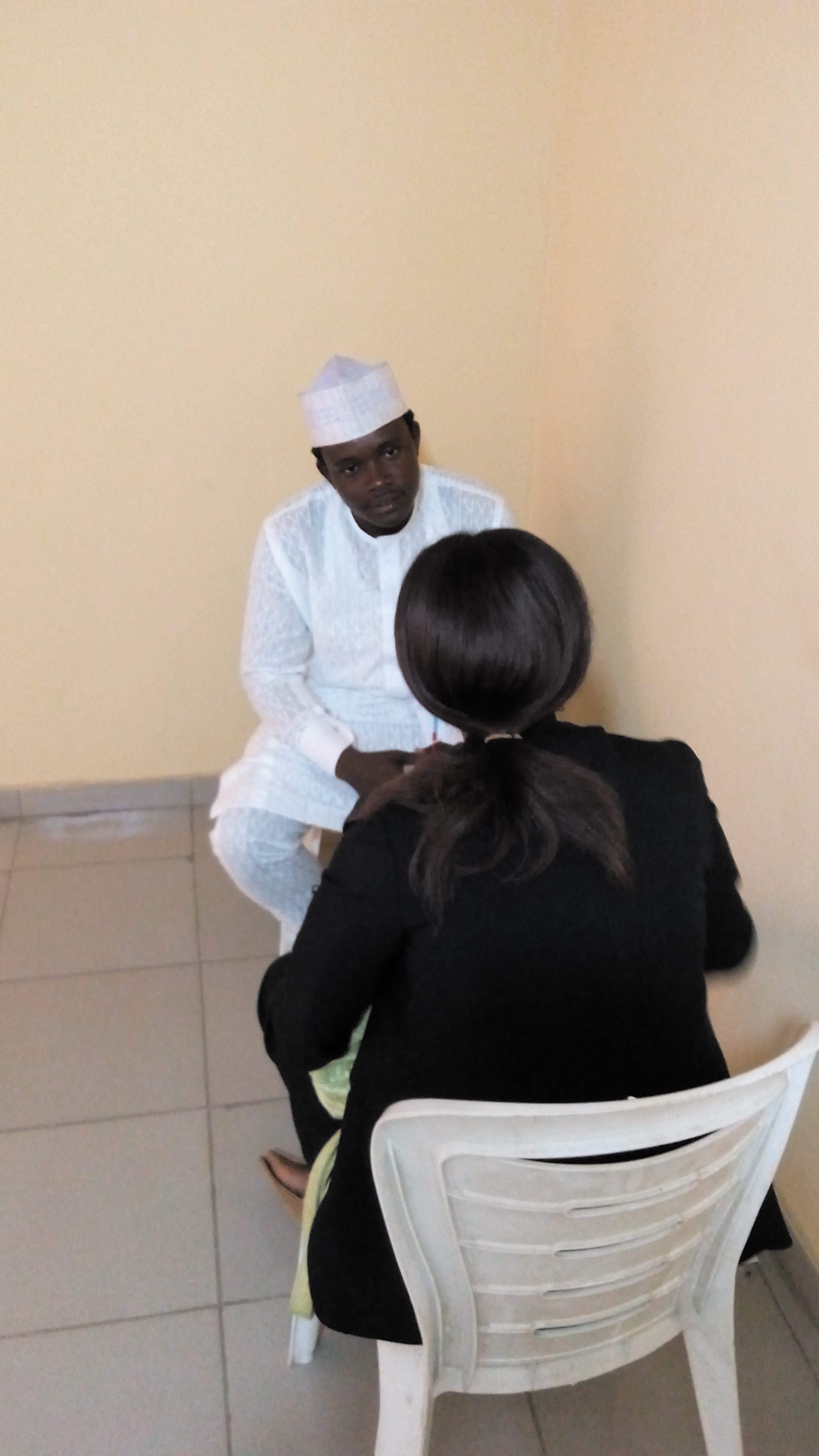
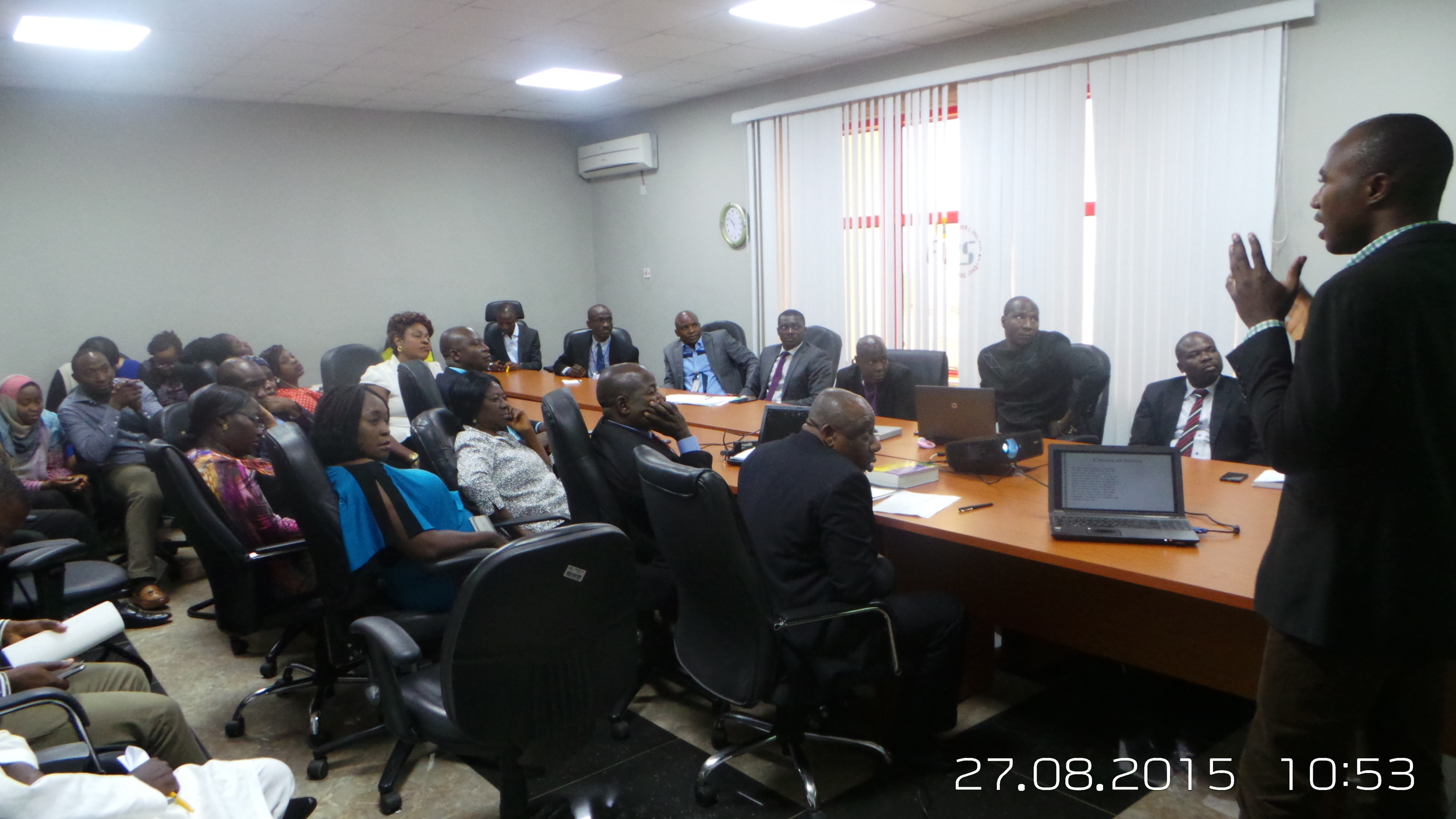
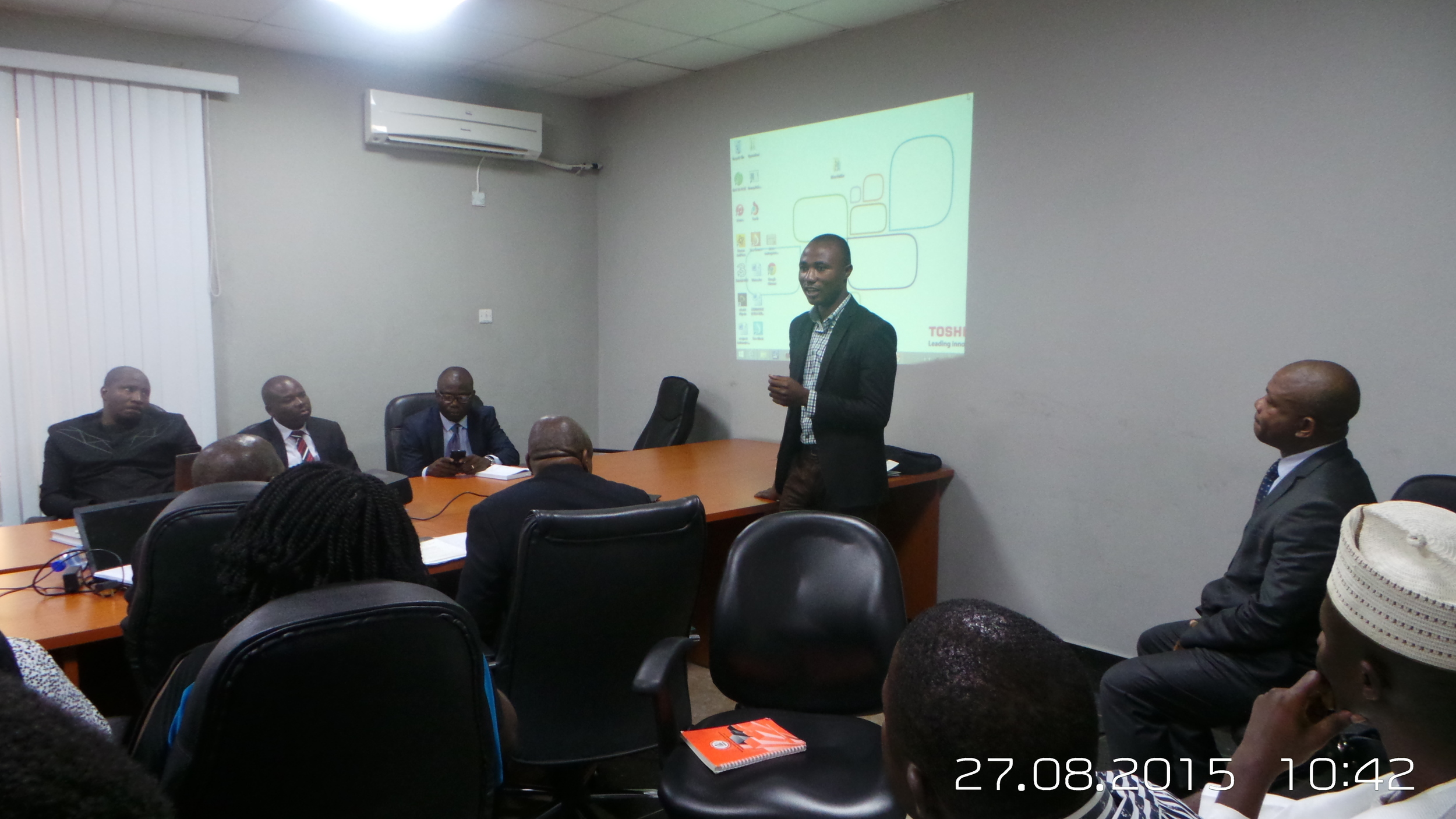
Gede Foundation’s innovative and ground breaking work in the field of Mental Health is moving beyond awareness and sensitization to efforts focused on managing stress in the workplace.  At today’s session of the Foundation's popular 'Managing Stress in the Workplace Programme' at the Federal Inland Revenue Services Office, Gede's Clinical Psychologist explained that stress is individually experienced and can be addressed as such. As is typical for a highly stigmatised health burdenparticipants were not readily forthcoming in itemizing specific stressors. This could be due to the fact that stressors maybe present in the immediate environment hence reluctance to mention it to avoid untold consequences, especially with work colleagues present in the same room! It could also be that the stressors are relating to personal issues which individuals would not like to discuss openly. Gede Foundation gave assurance however that whatever the cause of the stress, professionals are available to help manage them and help people live a more productive life.

In the final analysis, however, participants all agreed that managing stress in the workplace is an essential part of productivity and a 'happy workforce'. Watch this space if interested in more news from our Stress Management platform or call Mr Godwin Etim on 07030070934 to book a session for your own organisation


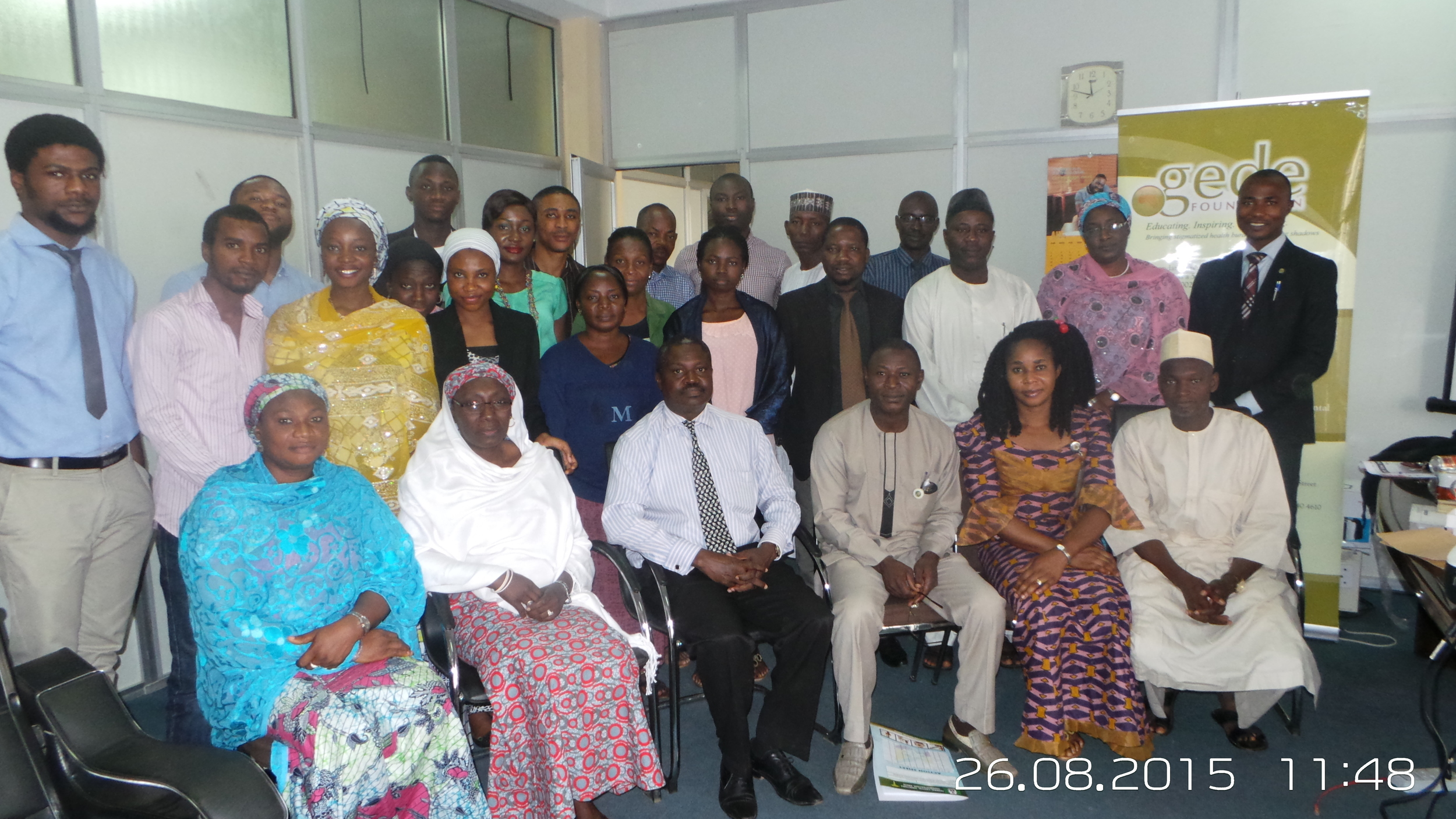
Gede’s Managing Stress in the Workplace Programme with FCT Health Services Scheme

Senior and middle class employees of the FCT Health Services Scheme hosted Gede in their office to deliver its Managing Stress in the Workplace Programme. Participants were able to understand different stressors and identified warning signs as it relates to both their personal and workplace situations.

It was obvious that interventions such as this are needed across different employees and organisations for the sole aim of enhancing productivity. Mr Samuel Jinadu, Clinical Psychologist with Behavioural Medicine Unit of Karu Hospital facilitated the sessions and highlighted the significance of stress as it relates to workplace productivity. This dialogue has begun with expectations from both employees and employers to look into systems that would rather promote positive Mental Health in various institutions through a long-term engagement with Gede.

Check this space for more on Gede’s Managing Stress   in Workplace Programme which is designed to address several keys in developing institutional wellbeing.If you require a session, contact Godwin Etim through godwin@gedefoundation.org.