Building a Learning Organization

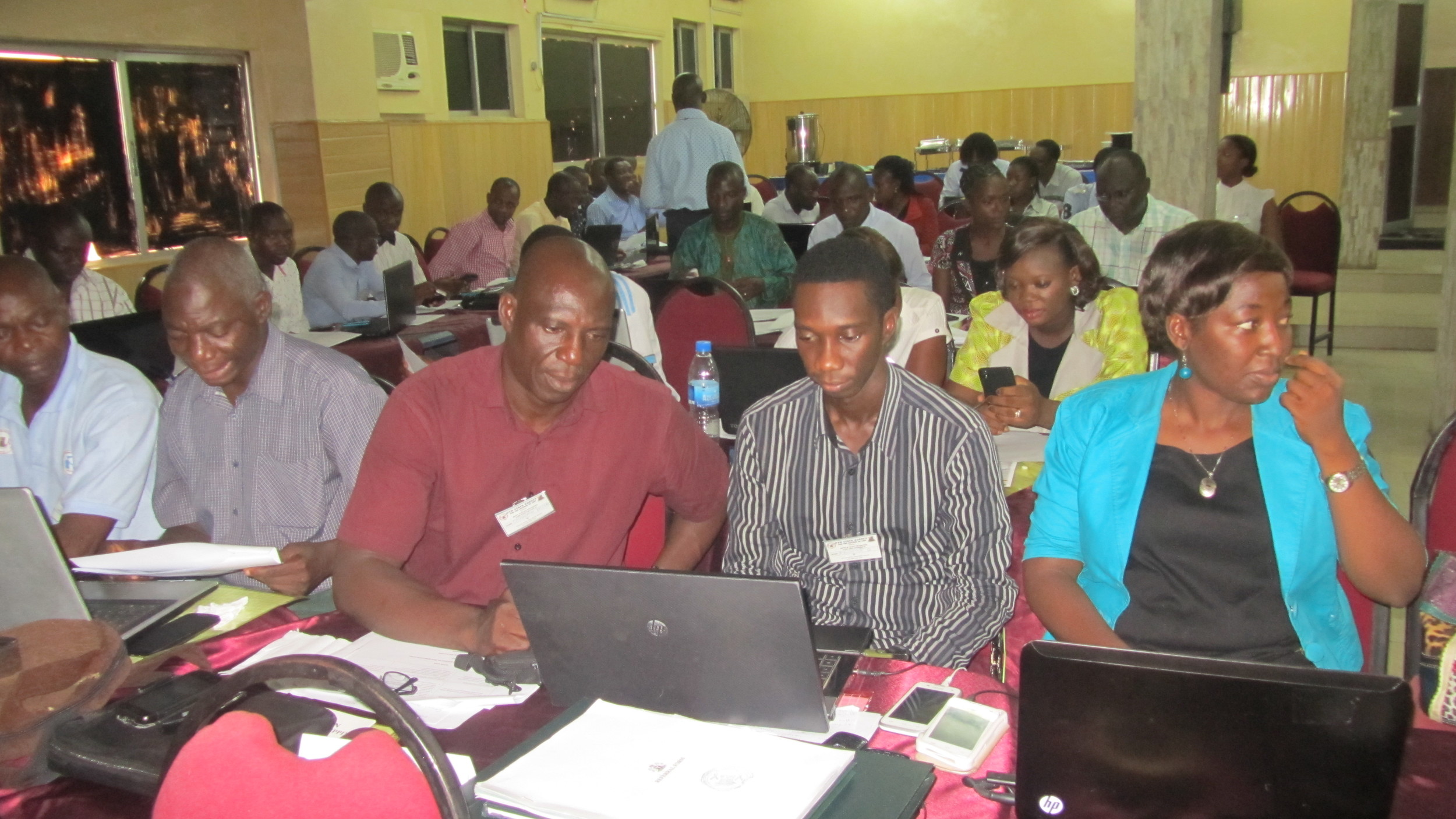
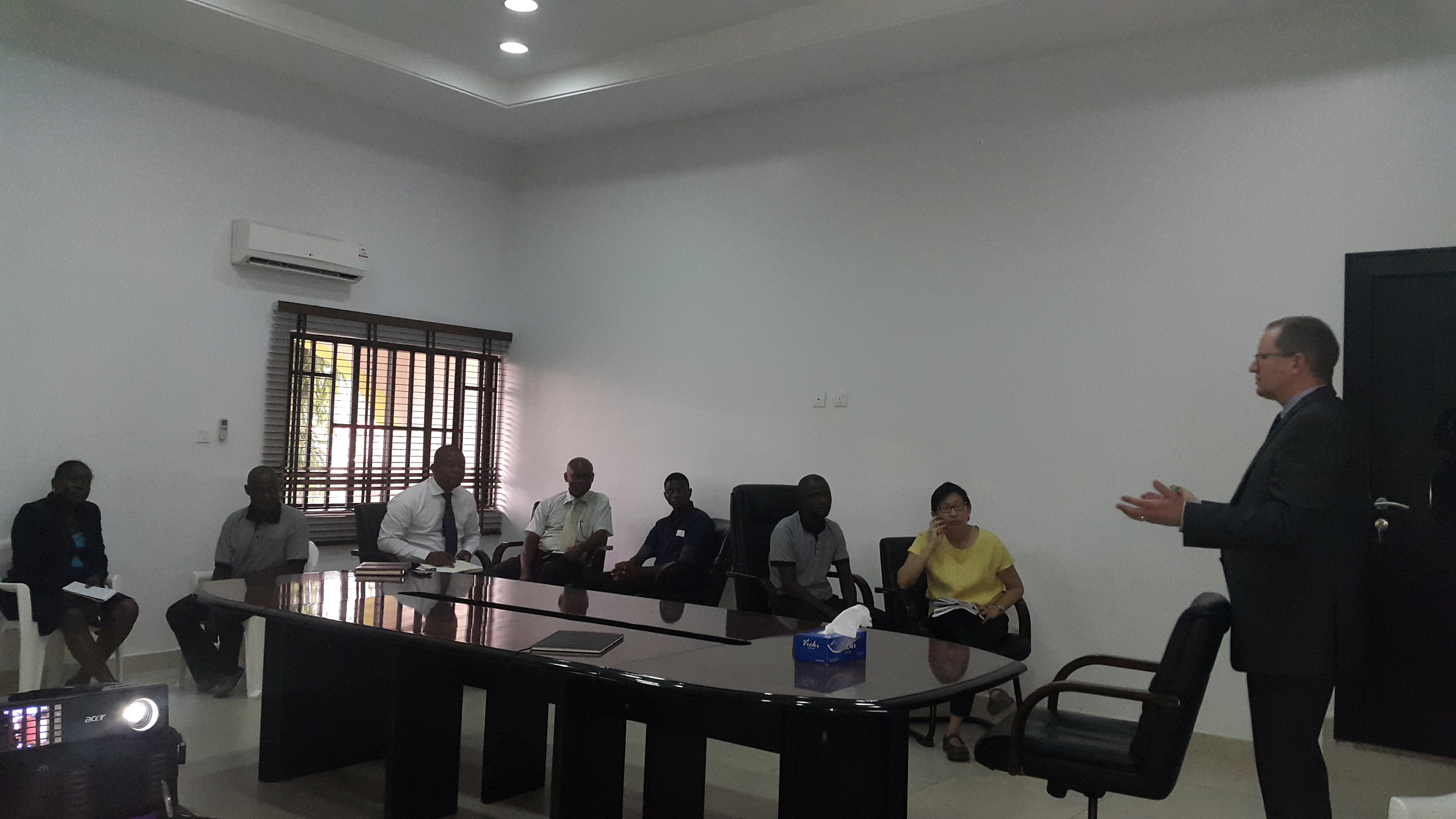
 In its 2015+ Business Plan, Gede Foundation aims to start the process of building a learning organization as a way of gradually building its brand and be able to sustain its operations in the future.  After months of preparation, a framework for the Learning Organization was developed for Gede Foundation and its very first activity kicked off today, 11 June 2015.  The activity focused on the presentation of the framework to all Gede Team members in Abuja by the Managing Director and the Performance Director for Organisational Development and Support Services.  The aim of the activity is to solicit the team members’ support for the process of building a learning organization. 

 The activity started with interactive sessions among team members on their real-life learning for the past 6 months  and moved on to the presentation of the framework and expected activities for the remaining months of 2015. 

 Please check on this site regularly for more updates on this topic and other activities of the Foundation. 
Gede's Meaningful Impact on Civil Societies

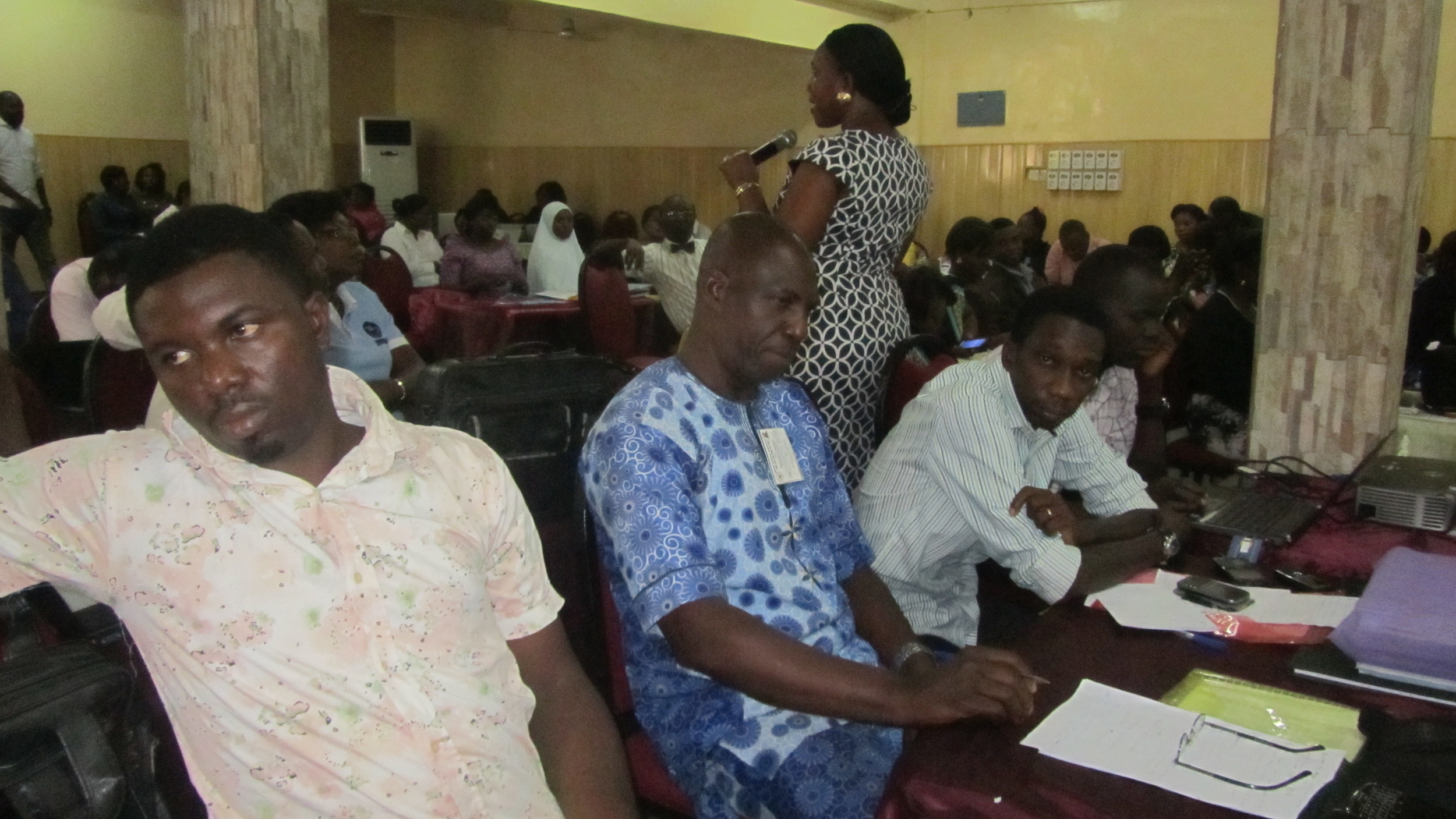
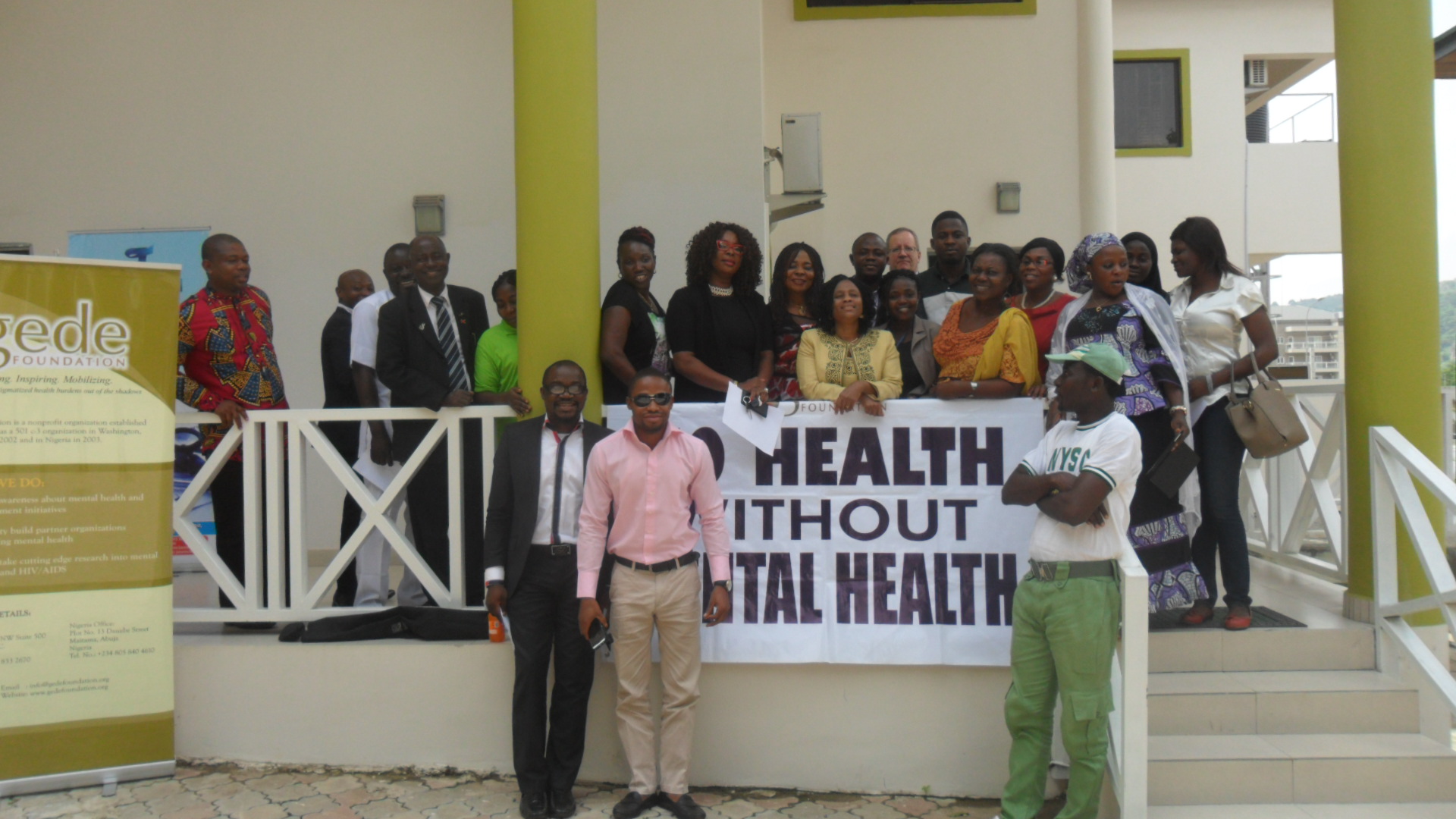
The Gede Foundation continues to impact positively on Civil Society Organizations (CSOs) and subsequently on individual lives. This was the feedback given at today’s Mental Health Dialogue where participants attested to the fact that the different topics being presented at the dialogue sessions have helped to give focus and transform their programme activities. One of the participants (a Youth Corper) told the assembled guests that he was determined to attend as many Dialogue sessions as he could because of the exposure he gains to so many issues related to the mental health of young people in particular - essential in his work as a youth coordinator and activist in his community. There was overall consensus that Gede should be given a pat on the back for job well done in this regard. Today’s dialogue had in attendance a fore most Psychiatrist as the presenter. Watch this space for more details.

Gede presents at the International Committee of the Red Cross


Workplace stress is common and may be overwhelming if allowed to continue unnoticed.

In tough economic times, workers at every level are experiencing increased tension and uncertainty in the course of their daily lives and this may result in a number of negative consequences including low productivity.

A humanitarian organization- International Committee for the Red Cross (ICRC www.icrc.org ) invited Gede Foundation to present its Managing Stress in the Work place Programme to staff members and their families during ICRC’s family day in Abuja on Saturday June 6.

Dr Sola Ephraim-Oluwanuga (a Consultant Psychiatrist and Head of Department with the National Hospital) represented Gede and took participants through scenarios in which they identified   possible stressors both in the work place and at home, and how they can deal with them. ICRC is currently providing support to internally displaced persons in Adamawa, Borno, Plateau and Gombe States. At the presentation, they were able to appreciate the relevance of addressing ‘burn- out’ among staff members in the course of their work and presented an opportunity for Gede to design and engage more with ICRC in developing a Work place programme among their staff.

Gede’s Managing Stress in the Workplace Programme is aimed at promoting a healthy workforce through a range of work-related interventions among employees. You can contact Godwin Etim via godwin@gedefoundation.org for more information.


Learning to say ‘no’

One of the seductive aspects of ‘strategic planning’ for many NGOs is that it produces a menu of possible programme options which all appear to be ‘do-able’ and, indeed, fundable. However, an increasing number of progressive NGOs are concluding that one of the key skills to be developed within strategic planning is focused on a sharpened ability to say ‘no’. This is deeply counterintuitive to many NGOs who feel that ‘development’ should focus on an all-inclusive approach to problem identification and that ‘all options should remain on the table’. In the case of Gede, we have been working hard on ensuring that our work in (at the current time) researching the links between mental health and HIV-AIDS is well focused and results in the famous three Is of development – Impact (alleviating the negative impact of mental health on people living with HIV-AIDS), Innovation (doing so in a way which adds value to the body of existing approaches) and Influence (raises the awareness of major issues within key stakeholders and decision makers vis-à-vis the evolution of appropriate policies). Within this, we have been careful to clearly identify a ‘sunset clause’, essentially a set of indicators which indicate when our work is ‘done’ – more of which in the next blog tomorrow

The sunset clause – myth or reality?

One of the golden rules of the NGO world is focused on developing an intervention which addresses the clearly identified problem and capacity builds ‘local’ communities to such an extent that they are then able to ‘cope’ for themselves (ie address the problem ‘sustainably’). While seductive as an exercise in logic, reality is often very far from the mark. Modern NGOs are more often than not driven in their programming by the possibility of donor funding and this, in itself (as well as a deep desire to be seen as a sectoral ‘expert’) often leads to an inability to identify a ‘sunset clause’ through which the NGO will ‘leave’ a local community. More often than not, additional donor funds are sourced, sometimes for new of associated ‘problems’ identified within the same local communities. This is also a reason why so many communities suffer from an almost excess of NGO work – look at any low or middle income country and then see where the NGOs are concentrated. The results are often deeply revealing and often reflect an inability of NGOs to re cognise when their work is ‘done’, or faces so many obstacles that it will never be done (often for extremely understandable reasons). Put another way – the real growth in NGO numbers has been experienced in the period from about 1960 – but when did you last hear of an NGO (voluntarily) implementing a sunset clause in their work?

Peer Support Networks

If one looks at the astonishing strides made by HIV-AIDS networks (such as the highly effective Network of People Living With HIV-AIDS in Nigeria (NEPWHAN)), with their focus on high profile advocacy work, as well as the ‘political pressure’ exerted on decision makers and key development community stakeholders, then it is not difficult to start thinking about whether or not mental health would also be well served with similar forward-thinking and well focused groups. At the time of writing, peer support networks (or even, for that matter, user and carer led organisations) are few and far between for those suffering from mental health conditions in low and middle income settings. This has tended to result in the fact that it is often down to NGOs and progressive donors to raise awareness about the prevalence and impact of even common mental disorders such as depression and alcohol abuse. While this is admirable, it also leads (often) to the conclusion that those who suffer most from mental illness remain without a voice through which to advocate for their basic human right to health care. The time will fast some when civil society will need to support the development of these key mental health support groups, surely?

Awareness Raising on Drugs and Alcohol Use In Rural Communities

Quite often, in terms of mental health issues, the focus of attention is on specific groups of people (eg those living with HIV-AIDS) who suffer from conditions such as depression and alcohol abuse. What tends to receive slightly less attention is the prevalence (usually only anecdotally reported as there is a distinct lack of research into the key issues) of drug and alcohol abuse among young people in rural communities. Gede’s work in Cross River State is starting to shine some light onto a range of important issues in this regard, almost all of which revolve around, (i) easy availability of substances, and, (ii) their relative affordability. This is a potent combination which could, in some cases, lead to addiction and all of the social costs which come with this. Gede, in partnership with UNICEM and the National Drugs Law Enforcement Agency (NDLEA) will soon be taking the lead in raising awareness of these key issues through activities which will form part of the International Day Against Drug Abuse and Illicit Trafficking. Activities will be aimed at schools in Akpabuyo and Akampa local government areas. Watch this space for coverage of these important activities

HIV-AIDS Prevention and awareness Raising in Ibadan

Gede’s zonal office in Ibadan has been particularly busy in 2015 implementing a State HIV Agency project (funded by the World Bank) which focuses on prevention and awareness raising re HIV-AIDS in ‘local’ communities, with a particular focus on the engagement of key stakeholders, including ‘gatekeepers’. Most recently, programme staff joined a training exercise which raised awareness about the need for all data generated in the project to ‘fit’ into the District Health Information System (DHIS) – ie avoiding the generation of ‘parallel’ information which does not engage with official structures. This important initiative is aimed at ensuring that key information generated by a range of partners (including Gede) can be collected and analysed in ways which are routine and regular – and which are then used to enhance programme delivery, as well as being the basis for the design of new interventions in future. Watch this space for regular Ibadan updates

Are we just good at something or do we have genuine core competencies?

During my time working with major international NGOs, it was not unusual to hear very senior managers state with great confidence that, ‘we have many core competencies’, or, ‘yes, that’s one of our core competencies’. As too often with NGOs, highly specific language was bandied around in a cavalier fashion so that ‘core competencies’ has come to mean anything the NGO is ‘good at’. This is deeply misleading and is, in my opinion, one of the reasons why many NGOs end up (often through donor assessments) realising that they are not quite as good as they thought they were in addressing their core activities. Why? Mainly because core competencies need to be defined very carefully indeed – and also need to be nurtured in the same way. As Hamel and Prahalad noted some years ago, for any skill, product, knowledge or approach to be defined as a genuine core competency, it needs to demonstrate/deliver three results at the same time – (i) provide potential access to a wide variety of markets/beneficiaries/opportunities, (ii) make a significant contribution to the perceived customer benefit of the end product, and, (iii) be difficult to imitate by other agencies. Stating ‘Coca Cola’s secret recipe’ is a good example from the business world, but NGOs struggle because too many of them have approaches which are easily replicated or do not, in fact, add as much value added to ‘beneficiaries’ as the NGO might like to believe. Should NGOs evolve in ways which genuinely develop core competencies, then this situation might very well change. Look at your favourite NGO – what do they do which could not be imitated by another civil society organisation?

Sectoral Programmes – Where’s The ‘Power’?

One of the key limitations of NGO planning processes lies in their over reliance on tools such as SWOT. I have talked before about the self-indulgent limitations of this tool (especially Strengths and Weaknesses which encourages an unusual degree of self congratulation), but it also holds within it a lack of rigour which often produces a superficial so-called external analysis. Such an analysis is often limited to a review of potential institutional donors (the ‘Opportunities), as well as the potential of said donors withdrawing their support if they are currently supporting programmes (the ‘Threats’). It is all aimed at largely supporting the status quo, with few NGOs daring to step into the realm (for example) of assessing private sector initiatives to alleviate poverty through the provision of employment, no matter how temporary or even badly paid. NGOs tend to stick to what they know best – the civil society ‘sector’. While there is nothing wrong with this as a starting point, it results in external analysis approaches being based on what is already known rather than exploring what is not. The engagement of a sectoral analysis tool such as Porter’s Five Forces (http://www.mindtools.com/pages/article/newTMC_08.htm) can easily be adapted by NGOs to dig ever deeper into any issue – digging and digging until the real drivers of poverty are identified and addressed