
It is relatively common to read that the key issue in many low and middle income countries, in terms of mental health, is the ‘treatment gap’ – essentially, the difference between the number of people who need mental health care (many) and the availability of those with the skills to provide it (few). There is an underlying belief that the way to address this gap is through ‘task shifting’ (or ‘sharing’ as it has become politically correct to state) within (eg) primary health care settings and while this might have merit, there is one group almost totally ignored in the various considerations of the key issues – the role of the diaspora. As has been shown in many countries, the role of experts who have left one country to go and live in another can be engaged through ‘virtual medicine’ with the use of, often, relatively low bandwidth connectivity. In the case of Nigeria, Gede is currently talking to partners to see how members of the diaspora (initially based in London, UK) could be engaged to help mentor facility based health workers – Drs and Adherence Counsellors. Watch this space.
ICT and Mental Health
I have often found it strange that while so many people in the world seem to have embraced mobile telephony as a daily part of their lives, NGOs in particular seem to struggle with the positive impact which modern technology can make. Although it is possible to read about the work of ICT research institutions along with the use of various apps produced here and there, practical examples (which are long term) of ICT seem few and far between. Recently, however, Gede has been reaching out to the UK based Medicine Africa (www.medicineafrica.com) which is currently working on systems building work in resource poor settings such as Somaliland where their use of ICT is making a real difference in terms of healthcare delivery. Given the much talked about 'treatment gap' within mental health in low and middle income countries, we can probably expect to see more emphasis on the uses of ICT in future. After all, with so many mental health experts residing in high income countries, why aren't they being engaged through ICT? jminto@gedefoundation.org
HIV-AIDS Test Results-What Happens When The Test Results are Positive?
One of the important – and pressing – emerging issues with regards to HIV-AIDS is focused on assessing ‘what happens’ to someone’s mental health immediately after they are told that they are HIV positive. In low and middle income countries, HIV-AIDS Counselling can tend to focus on rather general psychosocial support, while a growing volume of research is starting to indicate that highly specific support might very well be needed in a significant number of cases. This again shows the importance of ensuring that people who are diagnosed with HIV-AIDS are provided with the most appropriate support – even more so given that, thanks to medical advances, people living with HIV-AIDS are expected to live increasingly long lives
Mental Health and Positive Living
Today, the 13th May 2015, Gede Foundation Mental Health Dialogue Session hosted CSOs and engaged in a discussion on Mental Health and Positive Living with the Lead discussant being Ms Cynthia Linda Omeka, of the Organization for Positive Productivity. She made a strong case for the position of mental health for positive living infected and affected persons by saying that the first medicine for HIV positive individual is the state of the mind. A lot of discussion later centered on issue of disclosure and the psychological issues of rejection, anxiety, fear associated with it. Watch this space for more Mental Health Dialogue Session News.
Gede's Board Meeting

Earlier in the year, Gede held a Board meeting, during which a globally renowned mental health expert (and new Board Member), Dr Brandon Kohrt (http://globalhealth.duke.edu/people/faculty/kohrt-brandon), shared in the same view of engaging the diaspora to train facility based health workers as a way of addressing the 'treatment gap' existing in care and management of those accessing HIV-AIDS services.
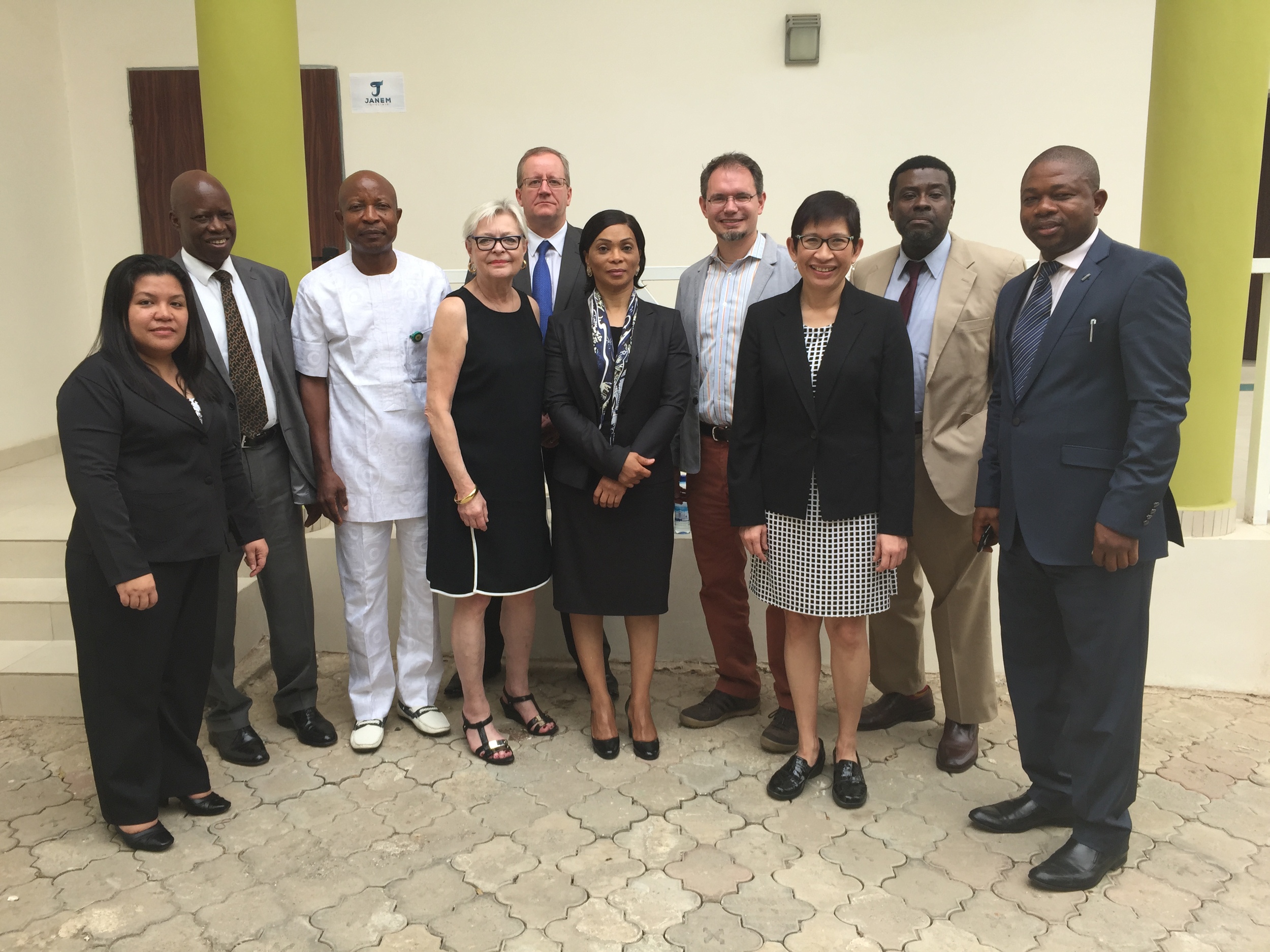
During the same meeting, a long-standing Board Member Dr Yoku Shawtaylor has this to say-‘I have been a Board Member of the Gede Foundation for several years now and I am encouraged by the strides we have taken over the past 10 years to bring health services to the most vulnerable in our communities. Our health delivery services for AIDS-HIV treatment and ancillary support for education were innovative and trail-blazing. When we embarked on AIDS-HIV services, we were pioneers in Nigeria and West Africa for that matter. We made an impact through outreach, treatment services and social support for the most needy.
Now, Gede Foundation has mustered the chutzpah to confront another health issue that has long been neglected in our communities. Our focus on mental health aims to shed the requisite light on the lack of services and problems of access within our communities for mental health services. What is more important, we are trying to create an open dialogue about mental health – to foster greater understanding about mental health care and to focus more attention on how we can provide better care to those who need it. Join us in this endeavor’.
Prevalence Survey
13 May 2015

Today, Gede’s Managing Director (John Minto) and Performance Director: Research and Advocacy (Cynthia Ticao) along with ten Interviewers recruited for the forthcoming Prevalence Survey (of depression, alcohol abuse and suicidality in a sample of 1200 people living with HIV) visited Hospitals in Asokoro and Gwagwalada in order to meet the Teams who will be responsible for contacting and tracking Interviewees over a four month period of data collection. The meetings allowed Interviewers to become more familiar with their ‘workplace settings’ and helped to fine tune arrangements for ways in which Interviewees will be contacted for the survey. Final preparations are currently being made for the Survey which is expected to start collecting data towards the end of May
Team Visits Site Coordinator
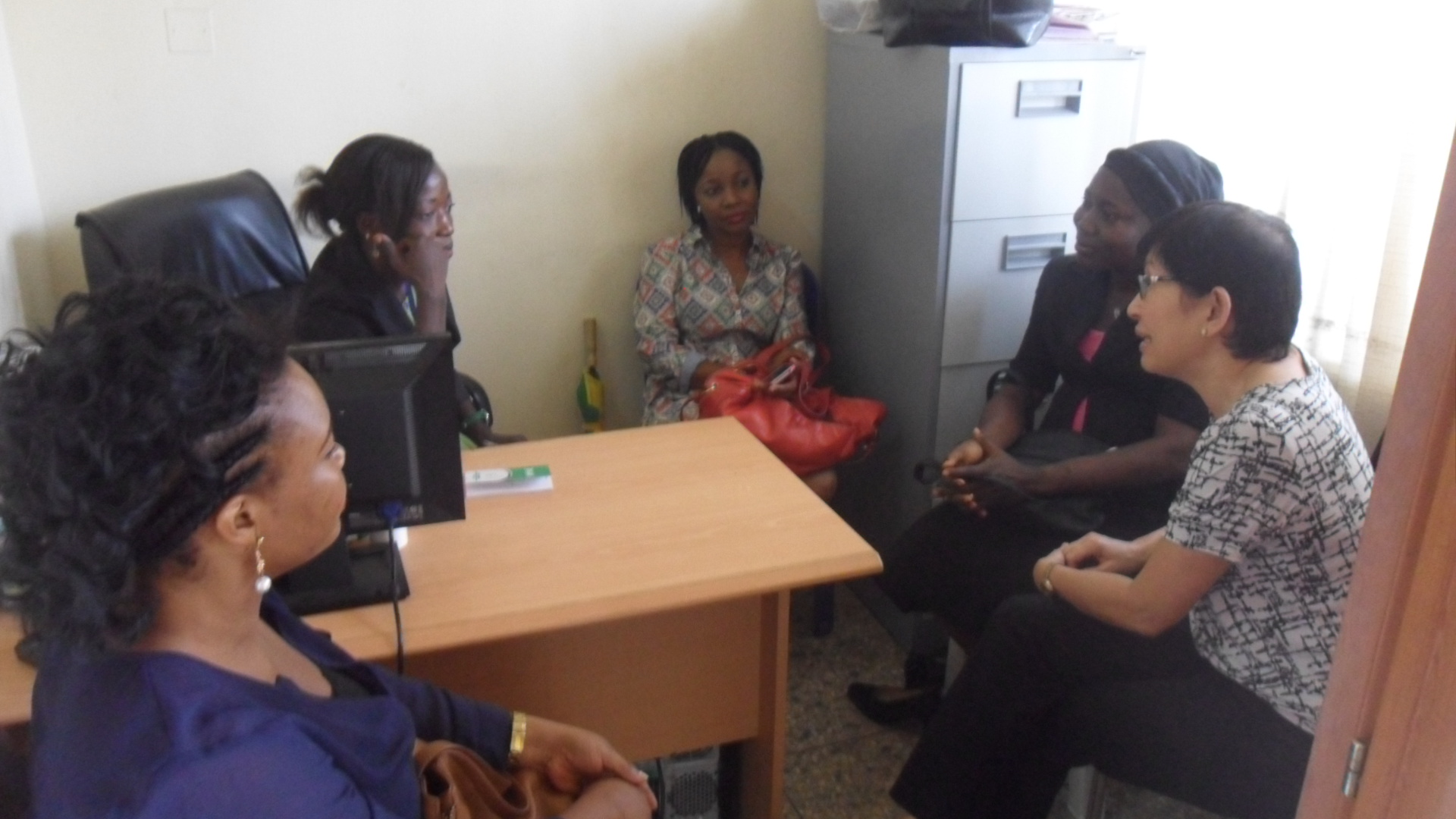
On Tuesday 12th May, the Gede Foundation team of Project Director, Supervisor and Interviewers paid a visit to the Site Coordinator at the Garki Hospital IHVN managed Treatment and Care Centre. The purpose of the visit was to get familiar with the Site Coordinator who would play the key role of recruitment of respondents in the Prevalence Study Project (PSP). The familiarization continues tomorrow with visits to the other 2 sites on the project. Watch this space. For further inquiries about the PSP contact Dr Cynthia Ticao on cjticao@gedefoundation.org
INTERNATIONAL MENTAL HEALTH CONGRESS, LILLE, FRANCE – DAY 3
30-04-15
The final day of the International Mental Health Congress in Lille, France finished with excellent sessions on a wide range of subjects including innovative ways to treat depression and the deep concerns mental health experts have over the rising tide of dementia across all countries. Gede’s Managing Director and Performance Director: Research and Advocacy gained a great deal from the Conference, not only in terms of the highly technical knowledge gained across a range of subjects, but also in terms of networking and the possibility of presenting Gede's major Prevalence Study paper at the next International Mental Health Congress. Most particularly, it is clear that a number of international organisations are extremely interested in working with Gede to deepen their research into specific HIV-AIDS and mental health issues in Nigeria.
INTERNATIONAL MENTAL HEALTH CONGRESS, LILLE, FRANCE – DAY 2
29-04-15
Today, Gede made a poster presentation to participants attending the inaugural International Mental Health Congress in Lille, France. The presentation focused on the research undertaken by Gede in 2014 which gathered important data related to the levels of mental health knowledge and stigma among HIV-AIDS Adherence Counsellors. The research was undertaken with the support of Gede’s partners, the Network of People Living With HIV-AIDS in Nigeria (NEPWHAN) and resulted in a very lively Q&A session at the Congress. Gede also took part in well attended Congress sessions, many of which (on Day 2) focused on an issue close to the Foundation’s heart – how to ensure that primary health care services include mental health screening and treatment/referral. Final day tomorrow!
Promoting Mental Health through HIV-AIDS Peer Educators’ Sessions
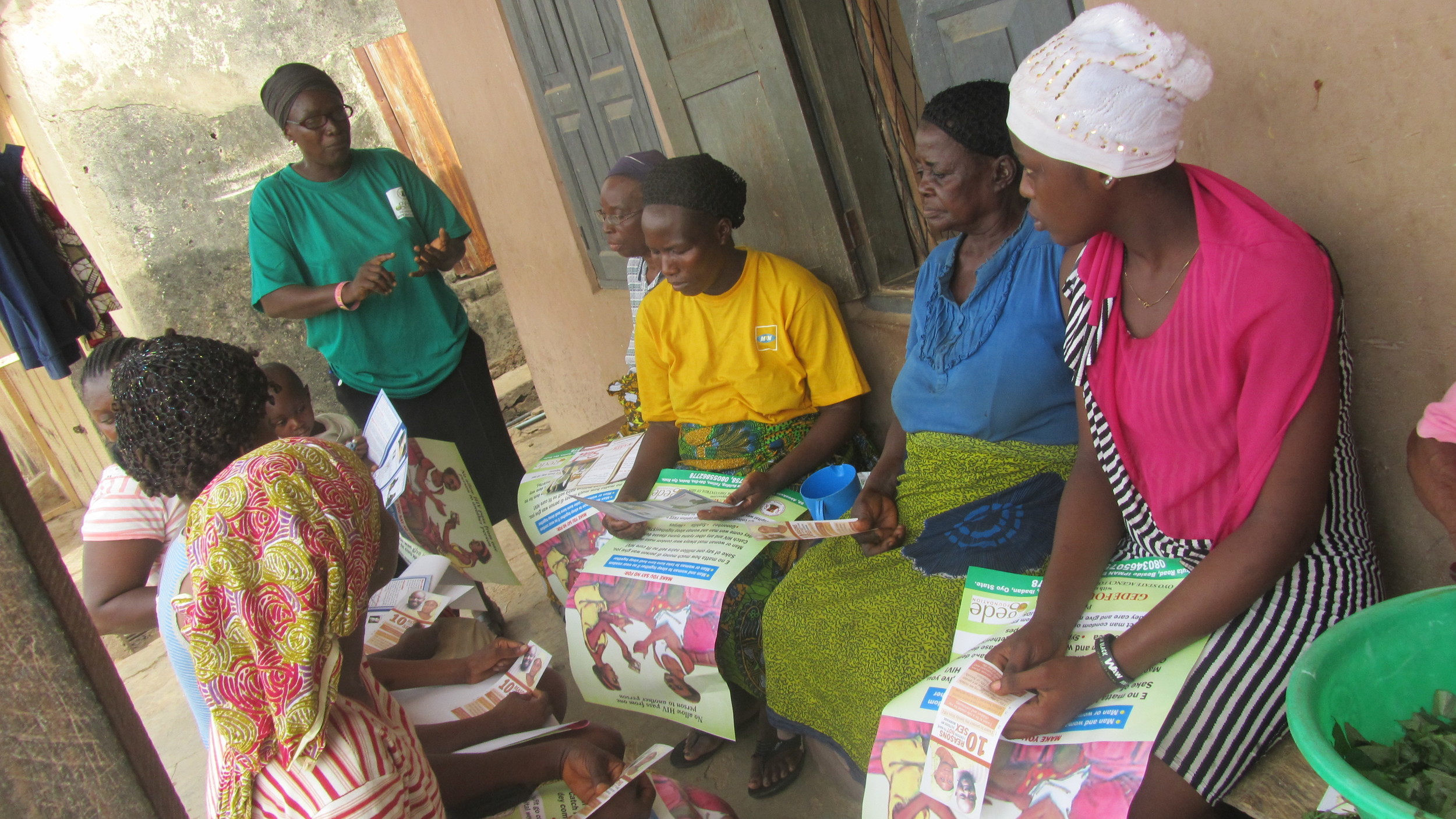
Female cohorts in Odo-Ona community in Ibadan South West LGA, Oyo State who participated in peer educators’ sessions were informed on ways to promote HIV prevention, care and support by trained peer educators. The session also touched on the links between HIV-AIDS and mental health, such that the group acknowledged that common mental disorders, causes and treatment pathways appeared different from what they previously perceived.This was followed by interesting Q & A sessions apparently to clarify the myths and misconceptions surrounding mental illnesses as it relates to stigma and discrimination within the rural communities.
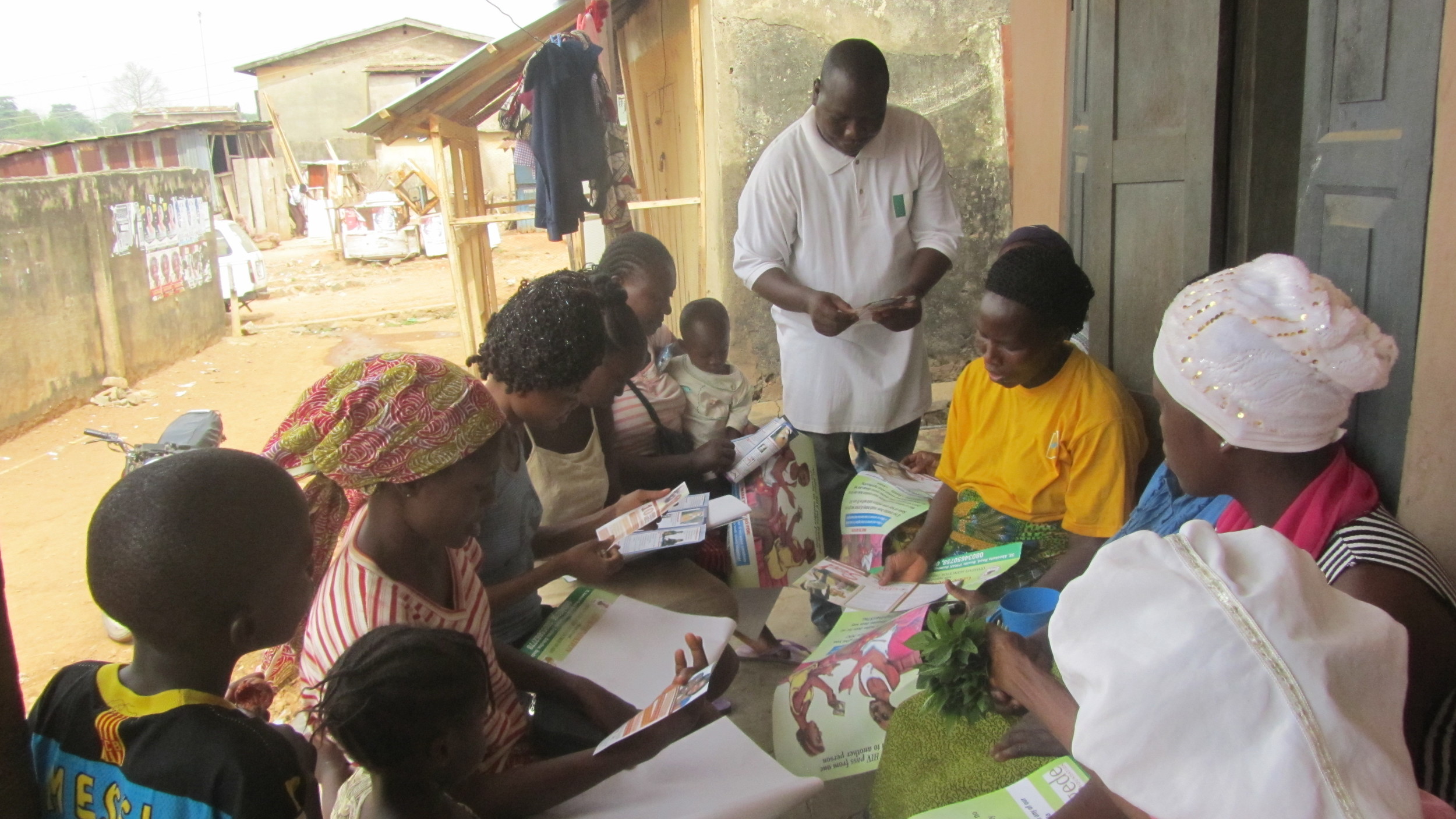
At the end, the groups saw reasons why treatment of mental illnesses should be included as part of routine general medical care in health facilities. This project is sponsored by World Bank-HAF-2 grants in partnership with OYOSACA and FOMWAN with the aim to reach 3000 adults in 2 LGAs by the end of 2015.